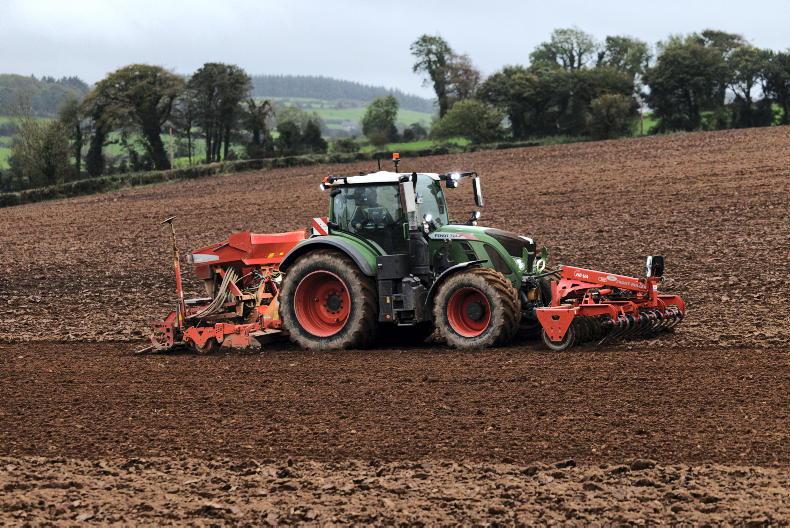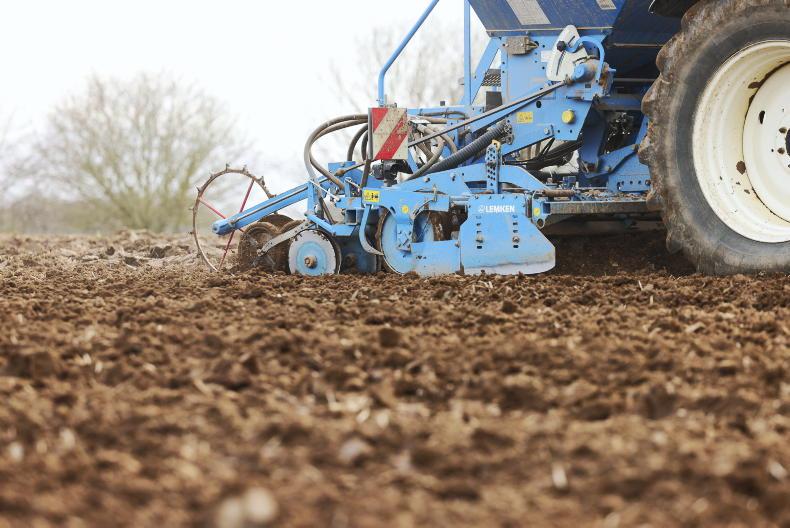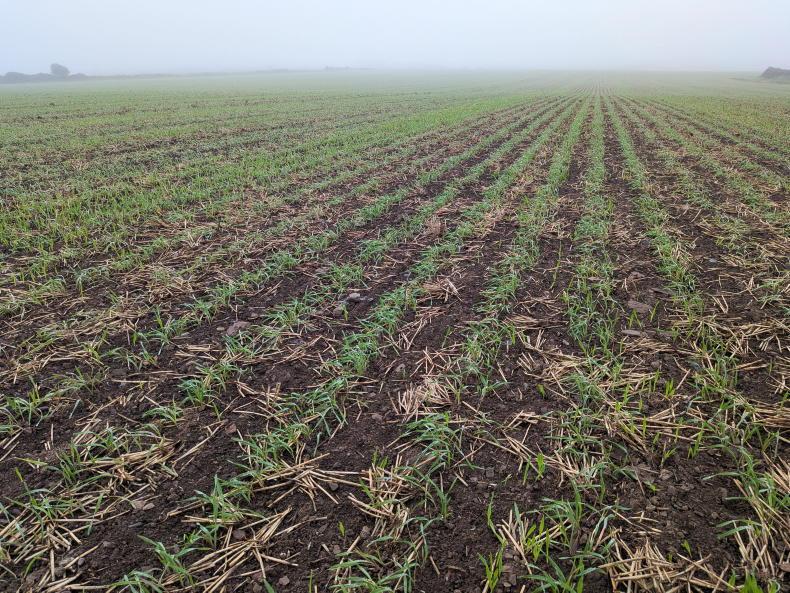
Oilseed rape: Many farmers are waiting on some rain before they plant winter oilseed rape and can plant up until 10 September or a little bit after this, if suitable. You should be drilling approximately 40-60 seeds/m2 to establish 35-40 plants/m2 by the end of October. The aim is to have 25-30 plants/m2 at the start of February and 25 main stems/m2 at the start of flowering. Consult with your agronomist before planting. Aim to get a pre-emergence herbicide on after planting to get good control of weeds.
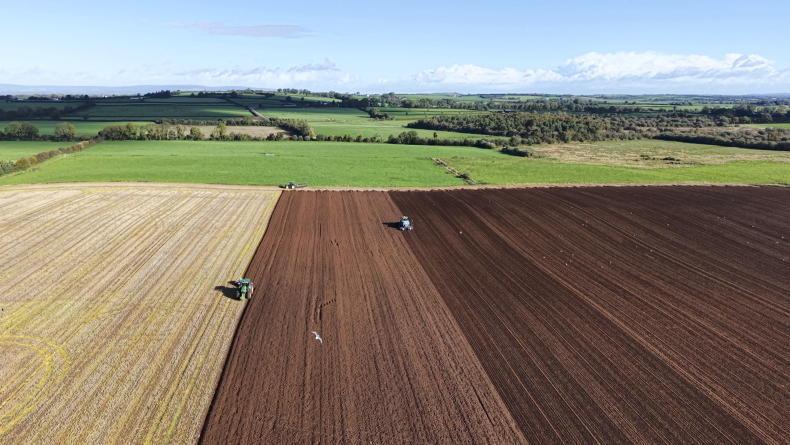
Cultivations: Bean stubbles will need to be cultivated this year if they are not going into a winter crop. In recent years, these have been harvested after 15 September so this has not been an issue, but any crops harvested before this date that are not going into a winter crop need to have stubbles cultivated. If possible, try to get a winter crop in after beans to utilise nitrogen that may become available and to reduce the risk of take-all and improve yields. The proposals on stubble cultivations on the tillage pages this week in relation to nitrates are only proposals. These rules have not been implemented or decided upon, so stick to the rules you know. Keep 20-25% of cereal land uncultivated.
Land destined for a winter crop does not need to be cultivated and currently stubbles left uncultivated as they are going into a winter crop count towards the 20-25% of the area left uncultivated.
If you have land in the SIM or for catch crop schemes, then you should comply with theses scheme requirements and can reduce the area of uncultivated stubbles to meet the requirements.
Catch crops: Catch crops under the Farming for Water project have to be planted by 1 September and catch crops under ACRES have to be planted by 15 September. The earlier you plant these crops, the better they should grow and the more benefit they will be to the soil and water quality. You do not have to plant the whole area you applied for under the Farming for Water project.
You should aim to plant this area, but if for some reason you don’t get it planted then you will only be paid on the area planted. There is no penalty for not getting all the area applied for planted. If you planted a catch crop ahead of a winter crop under the Farming for Water project then this must remain in place until 1 October. The deadline for declaring the area of catch crops planted under the short-term catch crop measure (in place from 1 August to 30 September) of the Farming for Water EIP has been extended. Growers now have until 8 September to submit the area planted, instead of 1 September. Spring crop declarations can be made before 1 October.
Crop records: As harvest draws to a close make sure you have your crop records up to date for 2025. Get them in order before you start into 2026 cropping and planning. Record your fertiliser and plant protection product applications, along with varieties, seed lot numbers and labels.