



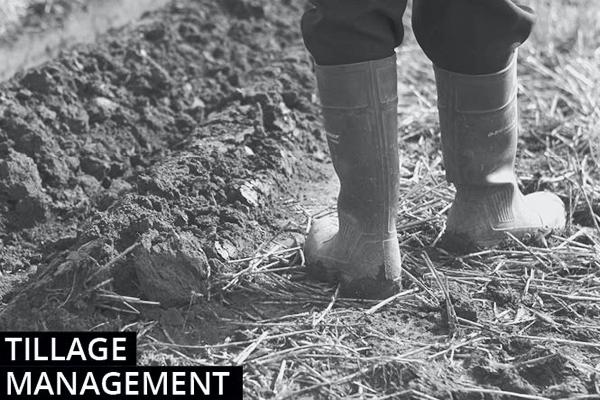
Winter ploughing: Now December is with us and temperatures are dropping, this is a good time to consider ploughing as the obligation to establish green cover ceased on 1 December. The good field conditions currently add to the benefit of early ploughing, but good ploughing is essential to keep the benefits. You need tight ploughing to keep the very useful winter tilth on top during spring cultivation.
Already there is a lot of ploughing taking place in good tillage areas but this is more urgent where there is vegetation preset. These plants, most of which are carrying disease, need plenty of time to die back and decay to prevent the transfer of disease to emerging spring sown crops.
One of the challenges of ploughing is the volume of vegetation in some fields. This needs to be topped or burned off, but burning may mean having to delay ploughing until spring. Topping will also leave problems for ploughing where there is a lot of vegetation present.
Traditional winter ploughing remains a good practice for spring crops. As well as enabling the creation of a frost tilth, early ploughing enables the soil to settle and the breakdown of vegetation to commence.
Green cover: The passing of the 1 December deadline also means that the green cover can be burned off now for spring crops. This needs to be done badly as some fields now have volunteers that are fully headed and flowering. At the very least this should be topped or grazed, but the latter may be more messy than useful at this stage.
Preferably this vegetation should be burned off with glyphosate and left to die down until spring. However, there is more than a chance that plants gone to head are well lignified and may not break down for spring ploughing.
Grassland can be ploughed now also but farmers may opt to keep it for a bit of winter runabout or early spring grazing. The benefits of burning off grass where perennial weeds are present may be limited at this time of year. Good ploughing should be able to bury the grass, except on the inns and outs.
Streaky crops: Winter crops vary in appearance around the country. Many crops carry a streaky appearance, but for different reasons. In some crops this is a result of volunteer plants emerging from behind the combine, while in others it may be a result of the chaff or other material in the swath. This material may now be absorbing nitrogen or just be slightly toxic to these plants.
In other crops this streakiness is not as regular as the area behind the combine and neither is it a consequence of harvesting. It appears to me as though these streaks may occur over patches where a high amount of straw was incorporated into the soil. And it may be that this is now becoming toxic as it begins to rot following November rainfall.
Bean seminars: Teagasc are running two bean seminars next week: Wednesday 11 December in Keadeen Hotel, Newbridge at 8.00pm and Thursday 12 December in Moorepark at 11.00am.


SHARING OPTIONS