



The Nitrates Expert Group has proposed changes to the stubble cultivation rules. The changes would mean that stubbles destined for winter cropping would now need to be cultivated. However, crops harvested after 31 August would not need to be cultivated. These are just proposals and at present the current rules stand.
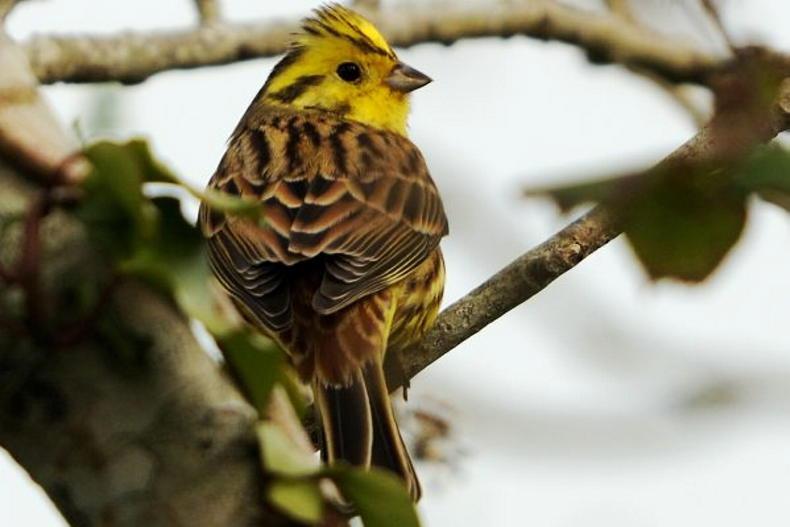
The controversial stubble cultivation rules caused frustration among tillage farmers when they were first introduced in 2022 and caused further annoyance when they were changed as the Department had introduced the rules without considering the serious impact a loss of uncultivated cereal stubble would have on endangered birds like yellowhammer, skylark and lapwing.
While the change allowed farmers to leave 20-25% of land uncultivated it also caused utter confusion as to what was allowed and not allowed under the rules and farmers continue to be confused on those rules today.
These rules have added huge stress to farmers as their workload at the busiest time of the year, harvest, has been increased.
The timeline is tight you have to cultivate within 10 days of harvest or chopping and in all cases within 14 days of harvest. This year, 2025, was a mainly dry year for harvesting and it was hard to meet these deadlines so in a wet year they are even harder to meet.
I have heard reports of farmers cultivating stubbles in the middle of the night or at 3am in the morning to satisfy rules. Forcing farmers to come off a combine or baler late at night when they are tired in order to satisfy these rules is not acceptable from the Department of Agriculture.
What about the habitats?
Changes to the nitrates plan are being made to improve water quality and to try and hold onto the nitrates derogation. The nitrates derogation is linked to the habitats’ directive. The derogation or nitrates regulations should not impact badly on habitats.
The introduction of stubble cultivation rules has already led to a decline in the area of stubbles available for birds that depend on this cereal stubble as a habitat. Research into its impact on bird populations started the year after the rules were introduced. This research known as AgriBirds is a five-year project with about 2.5 years left to finish the project.
Changes to these rules should not be made until the results of this research are available and until it is proven that there is no impact on these endangered birds. Unless of course these changes result in more over-winter stubble becoming available.
Otherwise, we will be paying for research to reintroduce the yellow hammer or the lapwing to Ireland in 10 years’ time, like we are with the curlew now.
For reaction from farm organisations to these rules click here.



SHARING OPTIONS