



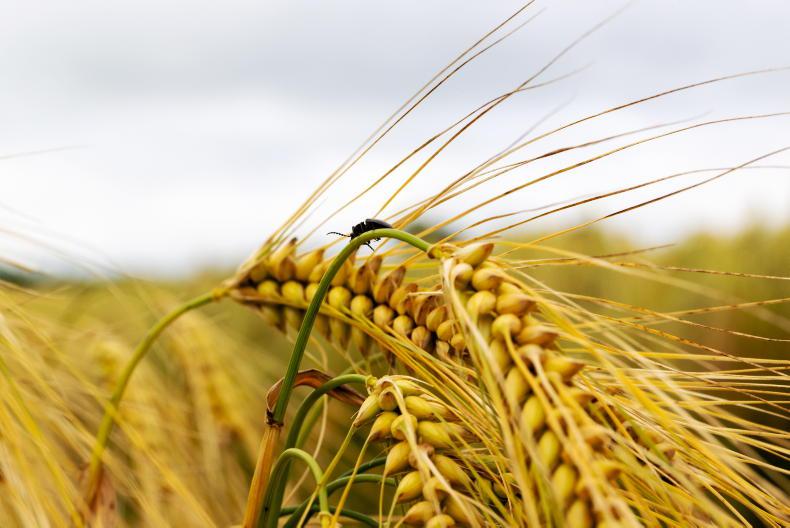
A deal has been reached between the European Parliament and EU member states on a relaxation of rules that currently ban farmers from planting seeds developed using new genomic techniques (NGTs).
The negotiators welcomed the deal as one that levels the playing field for EU farmers on accessing new varieties and speed up the development of these new varieties, while safeguarding health standards.
The agreement was reached late on Wednesday night, with the European Commission stating that the proposals will enhance innovation in EU plant breeding.
Brussels maintains that, if finalised, the new rules will allow for the development of varieties that are more resilient to climate change and which will require less fertiliser and pesticides.
Two categories of plants
The deal looks to create two categories of NGTs in the EU: category 1 NGT plants that could occur naturally or be developed using conventional breeding methods and category 2 NGT plants - all other NGT plants - that will remain subject to current GMO legislation.
A list of traits that will be banned from NGT programmes includes those which would aim at increasing plants’ resistance to herbicides.
Although set to be exempted from GMO legislation, category 1 NGT plants will be still subjected to a verification procedure.
Category 2 NGT plants include any other plants bred using NGTs and these will be subject to risk assessment and authorisation before they can be put on the market, at which point they will have to be labelled as GMOs.
The proposals agreed allow EU countries to decide to “restrict or prohibit” the cultivation of category 2 NGT plants.
NGT varieties will remain prohibited for use on organic farms, but the planned legislation states that the “technically unavoidable presence of category 1 NGT plants would not constitute non-compliance”.
Final votes and patents
The parliament’s environment committee successfully pushed for the inclusion of “safeguards to prevent market concentration” in the proposals which will allow NGT varieties be patented.
The agreement reached in principle by the negotiators on Wednesday must be formalised with a vote of member states and MEPs, with an expectation that the updated legislation will pass in 2026 and come into force two years later.
Over the 18 months after the rules take effect, the Commission is to consult stakeholders on the operation of patents to being “legal certainty” to farmers and plant breeders, as well as creating an “amicable settlement” procedure for patent disputes involving breeders and farmers in case of unintentional minor presence of patented material in their fields.





SHARING OPTIONS