



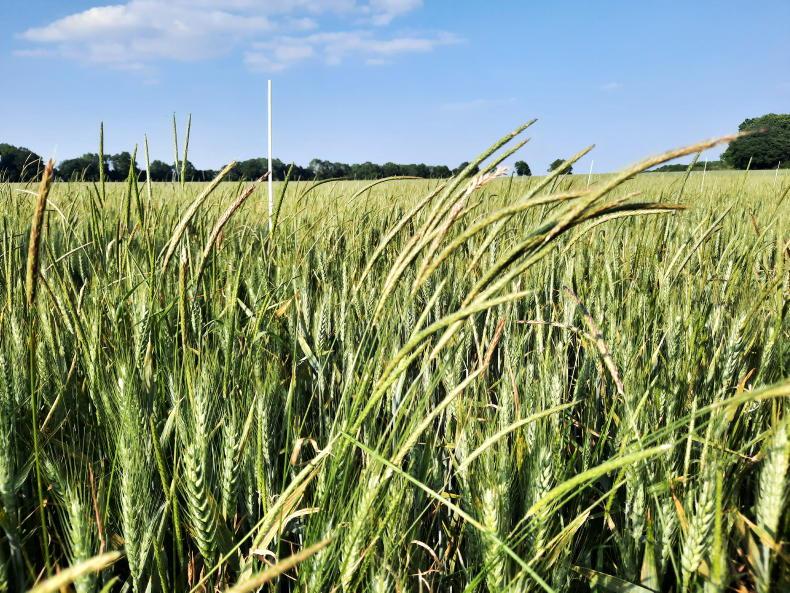
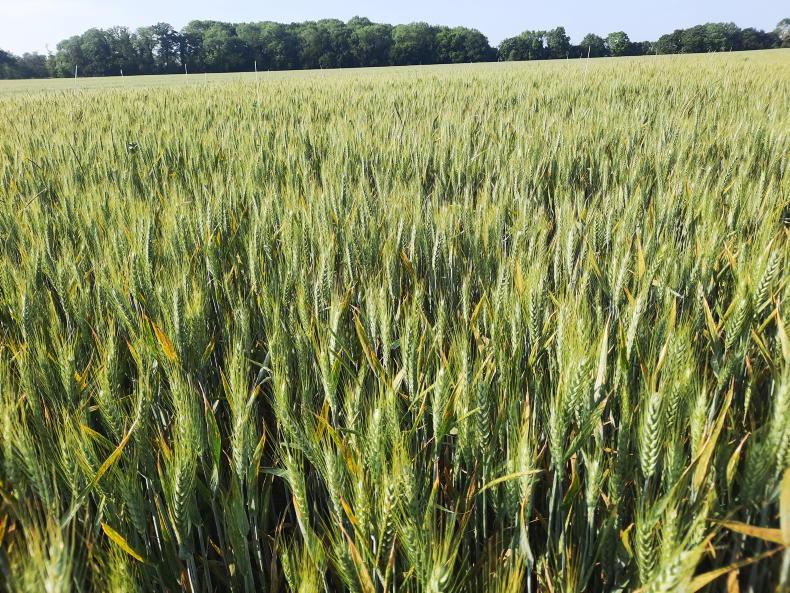
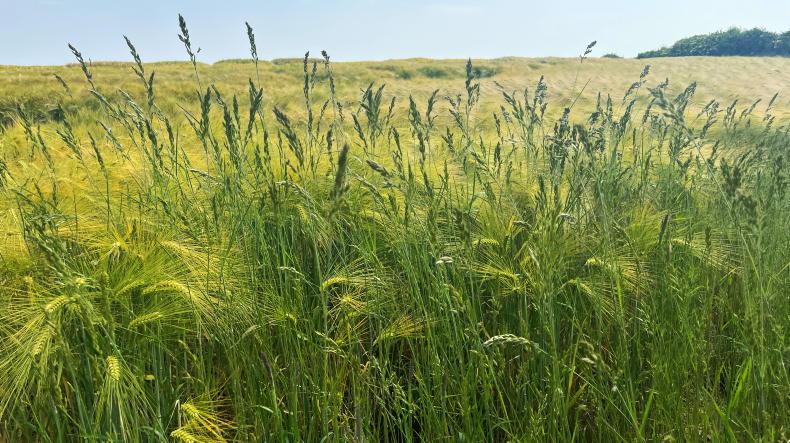
In June, the Irish Farmers Journal visited a blackgrass trial site in the east of England.
It really was an eye opener - every plot had some level of blackgrass, no matter what the treatment applied was.
In some cases, four different herbicides were applied to the plots.
Avadex Factor played an important role in control. Levels were lower where it had been applied.
It should be noted this is a granular form of herbicide, where granules are applied to the soil. It is different to the product used in Ireland.
Other products such as Stomp and Defy were also used as a part of programmes, but many of the remainder of the products are not available in Ireland.
One product was used in the trial that is expected to come to the Irish market in the coming years.
No control in a can
What the trial showed us was that there is no solution to blackgrass control in a can. Herbicides will control a certain level of the weed, but will not totally control the weed.
Blackgrass is resistant to most grass weed herbicides currently on the market. Those herbicides also add hugely to costs.
The cost of these programmes is also extremely high. Some farmers are spending £150 to £180/ha (€172 to €207/ha) on control, while others are even hitting £250/ha (€288/ha).
The main message is that you cannot control blackgrass using chemicals alone. If you do, the problem has the potential to get out of control.
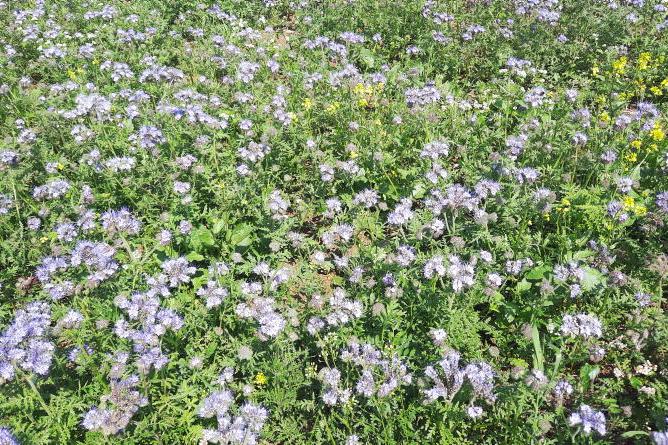
David Felce, whose farm we visited, had some of his land planted to a catch crop under the Sustainable Farming Incentive to get the weed under control and to help the soil to improve crop growth in the following crop.
A few things to remember on blackgrass:



SHARING OPTIONS