



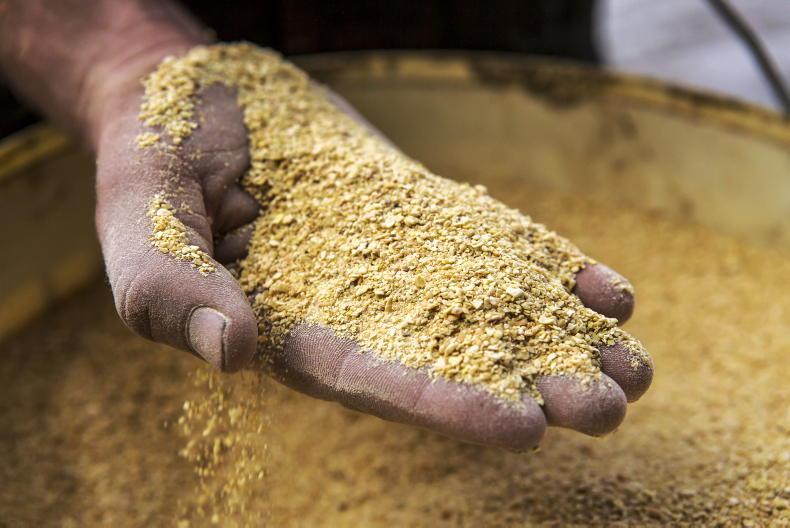
EU Deforestation Regulations (EUDR) are awaiting a vote to postpone their introduction at present. If they go ahead as stands there is a real risk that animal feed supply chains could be interrupted as Ireland depends heavily on soya as a protein source. Most of this comes from South America. Poultry and pork products in particular could be in short supply at the butchers’ counters and in supermarket fridges in the coming months if the regulations are not postponed.
Approximately 3m tonnes of soya products are imported into the EU each month to produce animal feed. The product could take up 25% of a pig or poultry ration and unfortunately, we don’t produce enough protein crops or high-protein crops in Europe to meet demands.
We’re in deficit and need to fill the gaps.
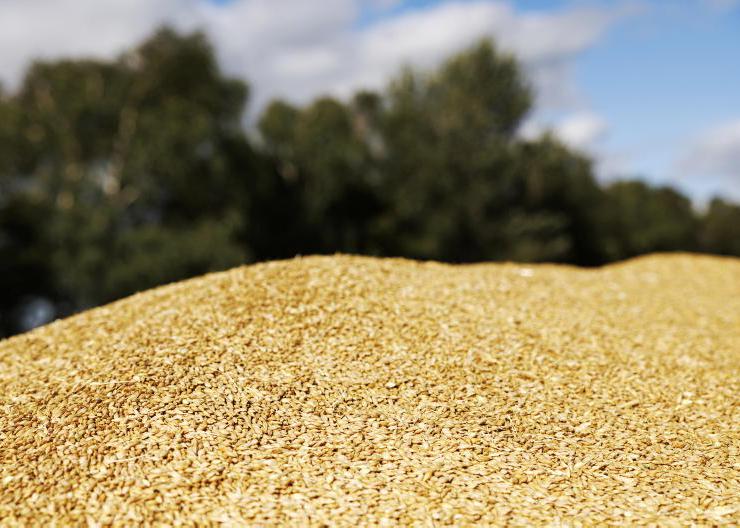
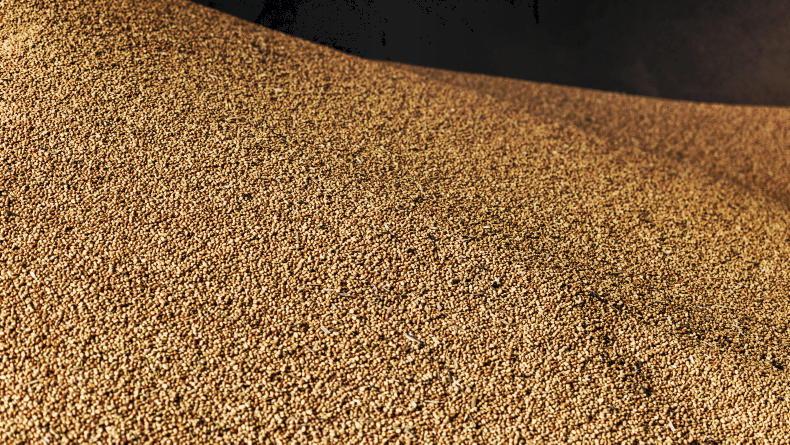
Yet, the Irish tillage area is declining and for some reason Irish-grown beans and oats sit in storage across the country. Surely there is an opportunity to make Irish agriculture more self-sufficient and to strengthen the marketing campaigns of Irish produce by increasing the amount of native ingredients we use in animal feed. Surely the oats and beans that sit in storage, waiting to find an export market could be used to produce premium Irish beef and dairy products fed on Irish grass and grain.
Where does EUDR stand at present?
On 1 January, EUDR regulations are due to come into effect, having been delayed by a year last December. The regulations require suppliers of cattle, coffee, cocoa, palm oil, rubber, soy and wood products to prove that these products have not come from land that was deforested after 31 December 2020.
These rules affect Irish agriculture in two main ways. Beef farmers will need to provide locations of their farms to prove land wasn’t deforested.
Secondly, animal feed coming from countries at risk of deforestation will have to have documentation proving it comes from land that was not deforested after 31 December 2020.
At present, a lobby is trying to postpone the regulations for another 12 months.
This is mainly due to the compliance process. Grain and feed traders have described the IT system as slow and complicated, identifying things like file size for uploading data as an issue.
For example, if a farmer in Ireland wants to sell a bullock in the mart or to the factory they will need to upload a polygon file, of the location the animals were grazing.
This is a 3D graphic which would not be readily available. This is despite the fact that Ireland is categorised as low-risk for deforestation.
When will the decision be made?
On 23 September EU Commissioner for the Environment, Water Resilience and a Competitive Circular Economy, Jessika Roswall announced the regulations would be delayed by 12 months, but on 21 October it was announced the rules would come into effect with a grace period of six months for large operators like traders and 12 months for smaller operators.
A meeting at the end of November will decide if a 12-month postponement will come into effect with a review in this time to see if progress is being made.
Ireland looks to be in favour of a full 12-month postponement and welcomes the simplification of the rules which should make it easier for cattle farmers here in Ireland to comply with while also allowing traders time to implement the regulations at the other end of the supply chain.
Is there enough supply?
With complications around its implementation, it now appears that there is enough product being produced from land not deforested after 2020, but this product has not been segregated from other soya in the country of origin. So, while 95% of the soybeans in Brazil might be compliant with the dates for deforestation there is not enough compliant material in the supply chain because beans were not segregated and lost traceability from the field to the other side of the crush plant.
As it stands, if implemented on 1 January there are likely to be soy supply shortages in the feed market that could impact on the supply of poultry and pigmeat in particular. One trader said “we are sailing very close to the wind” on supply.
There looks to be cover in the market until the end of February or March. If the vote at the end of November is for a postponement, then supply chains should not be affected as shipments should turn around in four to six weeks.
AgNav
As other countries are forced to improve their environmental credentials to sell products to the EU it is essential that more work is done to prove Irish grain’s low carbon footprint. Irish tillage farmers should complete the AgNav to calculate their carbon footprint over the winter.
This will increase the data set and keep Ireland ahead of other countries when it comes to proving low emissions. It is also essential that Teagasc start to incorporate Irish figures for grain production into livestock farm’s carbon footprints and differentiate animals fed on mainly Irish rations and mainly imported rations.
Completing AgNav is important to build the dataset. We pride ourselves on an Irish product that is sustainable and has a low carbon footprint, but without proof we have nothing to show. The deforestation regulations only go back to 2020.
Countries exporting product will comply with regulations to secure markets and be competitive.
If AgNav accounted for Irish grain use we might not see Irish oats and beans sitting in storage waiting to be exported. Surely there is a market for Irish fed milk and beef.
The importance of native supply
At present, there seems to be a total lack of care about having an Irish supply of anything. Little is being done to prevent the loss of land from tillage. Only one action of the 28 in the Food Vision Tillage Report has been implemented.
Irish tillage crops’ environmental credentials are among the best in the World. Yet, our agricultural sector and policy makers seem to be happy to depend on imported grain. Irish tillage farmers will not be able to feed our large livestock population, but can go some way to contribute to doing this.
If the tillage area is allowed to drop then the livestock sector, and as a result the shop shelves become more at risk.
We don’t come near self sufficiency in animal feed, but in times of trouble like the drought in 2018 a native feed source meant that animals did not go hungry as there was grain in stock.
If that grain wasn’t there then the sector would have had a lag time from ordering to delivery at a time when drought conditions prevailed across Europe.


SHARING OPTIONS