



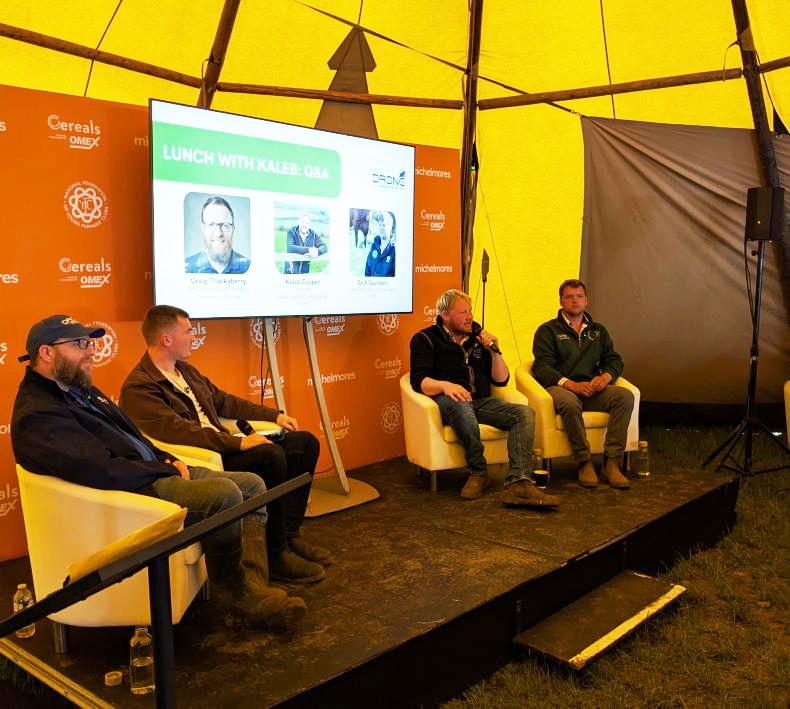
Young people are going to benefit from the fundamental changes technology will bring to agriculture in the future, according to Kaleb Cooper.
The Clarkson’s Farm star was speaking at Cereals 2026 on a panel discussion and revealed his thoughts on new technologies.
“I think a lot of people expect me to say it’s terrible, but I think actually in terms of how it’s going to change things for young farmers, it’s going to be in a really special way.
“Tech has come a long way and we’re going to see more of it. Now we need students to come through who are very much IT driven, but want to work in farming.”
New ideas
Kaleb urged farmers to be open to new ideas and allowing change to happen on their farms rather than leaving it to happen with the next generation.
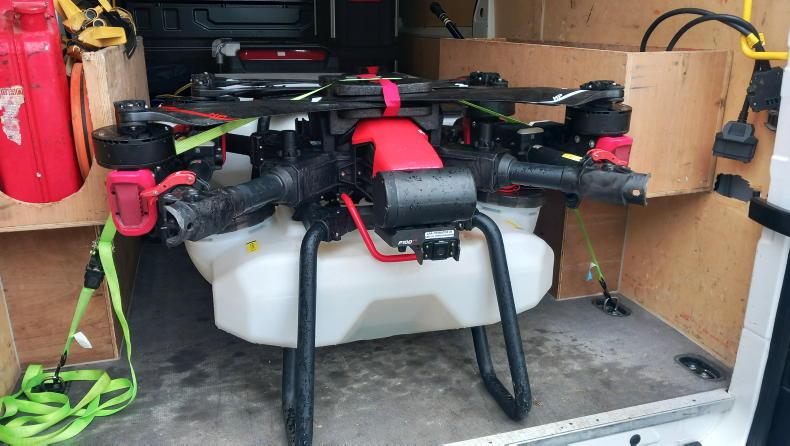
Craig Thuckaberry, an Irishman working with Drone as a Service, echoed Kaleb’s thoughts on technology.
“There’s so many decisions that need to be made on-farm now. We need to utilise all the data in a way that’s actually useful; not just to leave it in a drawer.
We’ve got a service where we can bring the technology side more easily to farmers
“When you sit down with your agronomist to make a decision, you need to have all the information in front of you.”
Craig went on to explain that Drone as a Service is available to farmers in Ireland. At the moment, the company can send a pilot out to survey your fields before creating variable-rate application maps from this data.
“We’ve got a service where we can bring the technology side more easily to farmer,” he explained.
At present, plant protection products are not allowed to be applied by aerial means in the EU. However, Craig is hoping that this will change in the near future, allowing him to provide a full service to farmers.
Plough to stay at Diddly Squat
Kaleb revealed that two fields on Diddly Squat Farm are still being managed in a regenerative manner after featuring in an early season of Clarkson’s Farm.
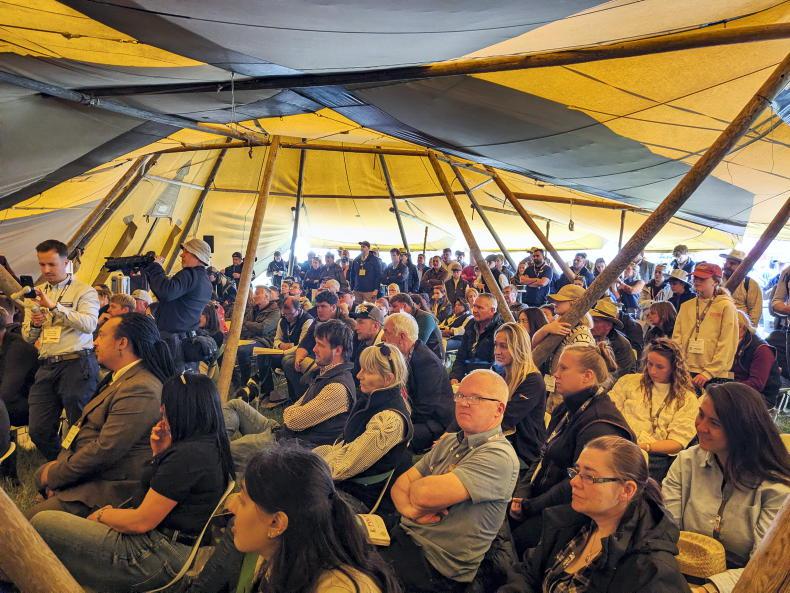
They are currently being grazed by sheep in what Kaleb described as a"rest period". However, having seen the results of the system up close, he remains unconvinced.
Kaleb explained that he “likes some aspects of it [regenerative farming]” but with lower productivity and problems with weeds and pests, he won’t be rolling it out on a wide scale. “I think I’m stuck in my ways,” he commented.
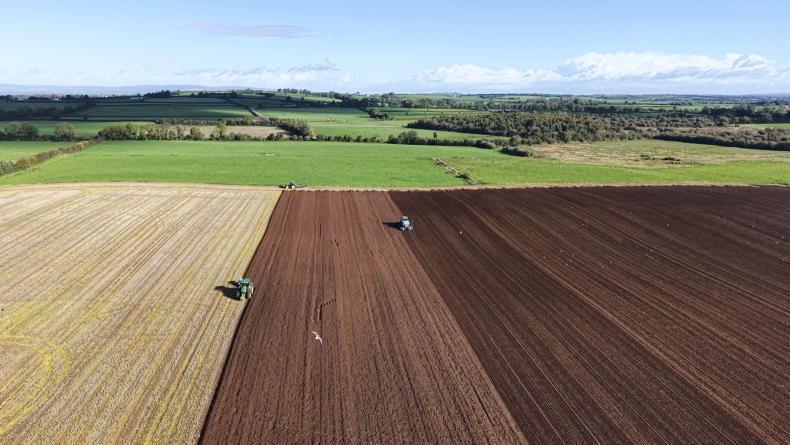
“Every now and then we must drop a plough in the ground. I quite like ploughing, maybe once every five years; it’s like a factory reset.
“I know there’s a lot more about storing carbon in the soil and stuff like that, but who knows where that’s going to end up. I can’t believe anyone would be paid to store carbon.”
You can hear from Kaleb and hear more from Cereals 2026 on this week's Tillage Podcast by clicking here.



SHARING OPTIONS