


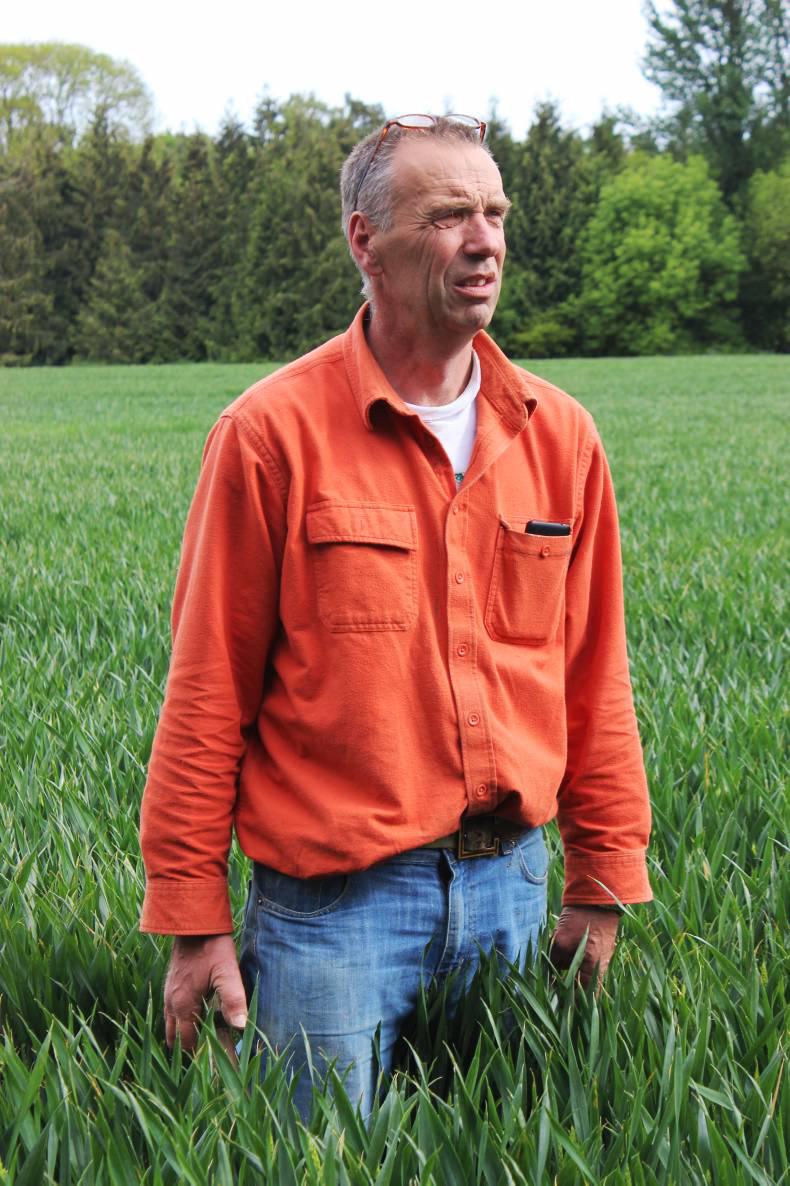
Profit is what pays the bills, so it is Robert Wilson Wright’s main objective in this farming business in north Kildare. Big spending is getting more and more difficult to justify, so inputs tend to be targeted at profit rather than crop appearance.
One of the visits during the recent Irish Tillage and Land Use Society (ITLUS) summer field meeting was to Robert’s farm near Prosperous, Co Kildare.
Robert has been actively involved in caring for his soils for the past two decades and this was one of the reasons why his farm was on the annual itinerary.
Twenty years ago, the soils on this farm were difficult to say the least. Crop establishment was both costly and troublesome and the soil was generally unforgiving.
If things came against you on this type of land, then you could easily start with less than a full crop. The land has soil types that range from good mineral soil to peat. This is hardly surprising given that his land is surrounded by bog.
“This is not the type of land where one can realistically expect to average 5t/acre, even in the best of years. Patches might do it, but our realistic yield will remain on the upper side of 4t – beyond that remains a dream,” he said.
Soil improvement
Many years ago, Robert began to change his method of crop establishment to begin to address his soil issues. The plough system was both difficult and expensive, but the bigger problem was that soils were continuously degrading.
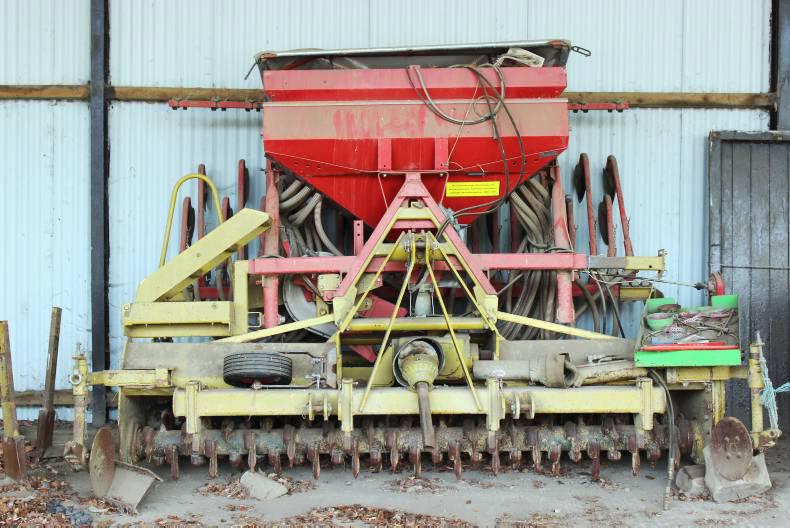
Something had to be done and at that time comments by Peter Hepworth in the Farmers Weekly spurred him to become interested in the Dutzi drill. This was an aggressive rotary spike-type rotavator which was used directly on stubble and planted seed in rows in the same pass.
Robert used this system for a number of years and its shallow cultivation provided a welcome rest from aggressive cultivation for much of his soil profile. As a result, his soils slowly improved.
The crops improved also, but planting the seeds in a mix of soil and thrash did not always provide good establishment.
However, once his soil was in good physical condition, he then had more establishment options to consider.
His next move was to the strip-till system with a Claydon drill. His land was now kind enough to behave well with a strip-till system. Many make the mistake of opting for a strip-till system to improve soil as the starting point, but there have been some bad experiences from doing it this way.
Improving the soil before beginning strip-tilling, or even direct drilling, is a much safer option for a farmer.
However, that involves doing things now, or for the past few years, and there is a reluctance to do this. Soils can still be massively improved even with a plough system, but a rest from aggressive tillage is a definite bonus, even if only for one year.
Friable soil structure
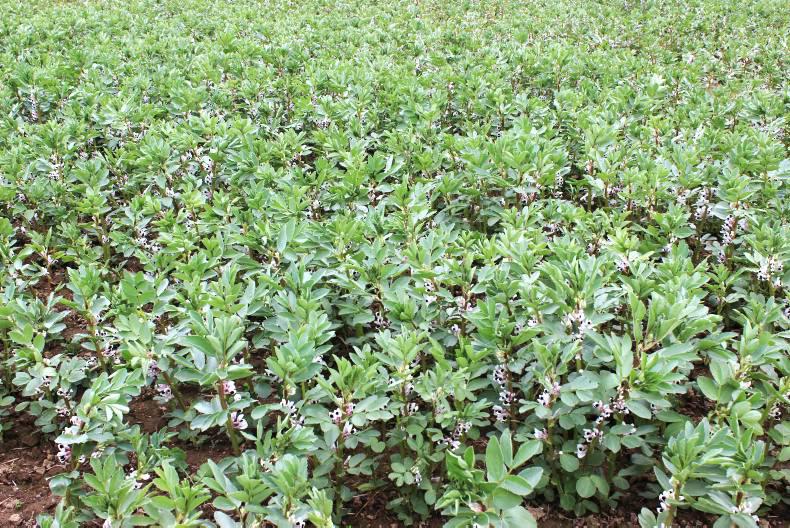
We visited a few fields on the day. One was planted to winter wheat and another to spring beans. Both looked very fine crops.
The wheat was beginning to break booth and the beans were flowering. Robert said that beans have served him very well in recent years, with yields ranging either side of 3t/acre. It was his experiences on difficult land that made me think harder about the potential benefits that strip-till systems could bring to beans.
The condition of the soil under his crops was amazing. Robert has been returning straw for a number of years, plus some organic fertiliser additions.
In the bean crop, you could root out a hole in the ground with the toe of your boot. Robert dug up plants with a spade to show us the root structure and he could effortlessly dig six inches or more without the need for foot pressure on the spade. The whole surface of the soil was loose and friable, but not soft or spongy.
I had seen this land 20 years ago and, to say the least, it was difficult for tillage. It is now more like a first crop after a 20-year ley break. What we saw in the field that day helped to explain Robert’s latest change to his drilling system.
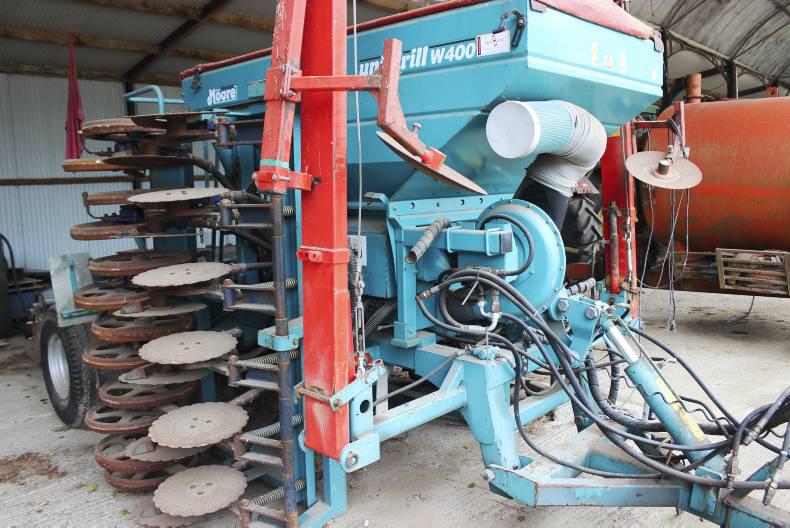
He recently purchased a second-hand Moore drill, with its conventional disc and chisel coulter that was quite popular many years ago – a simple robust drill that was both a direct slot drill and a conventional drill.
This direct drilling system became more troublesome as our soils lost structure and became tighter, but Robert’s land is now in excellent condition for this drill. A return to the past, one might argue, but back then good yields were easier and cheaper to achieve. “It’s about profit, not appearance,” Robert stated.
Biomass fuels
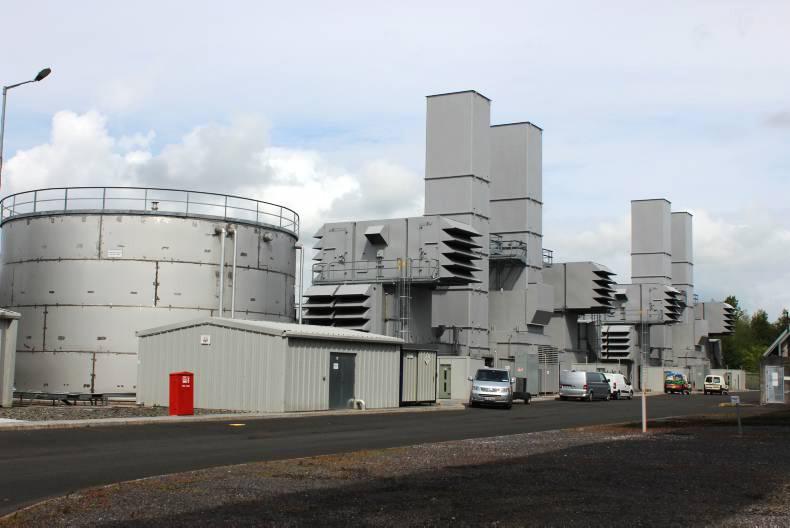
The ITLUS group also visited two Bord na Móna energy producing facilities on the day. The solid fuel plant at Edenderry and the windfarm at Mount Lucas – both within eye viewing distance of each other.
At the Edenderry plant we were told about the continuously growing demand for renewable biomass which is now heading to 300,000 tonnes per annum.
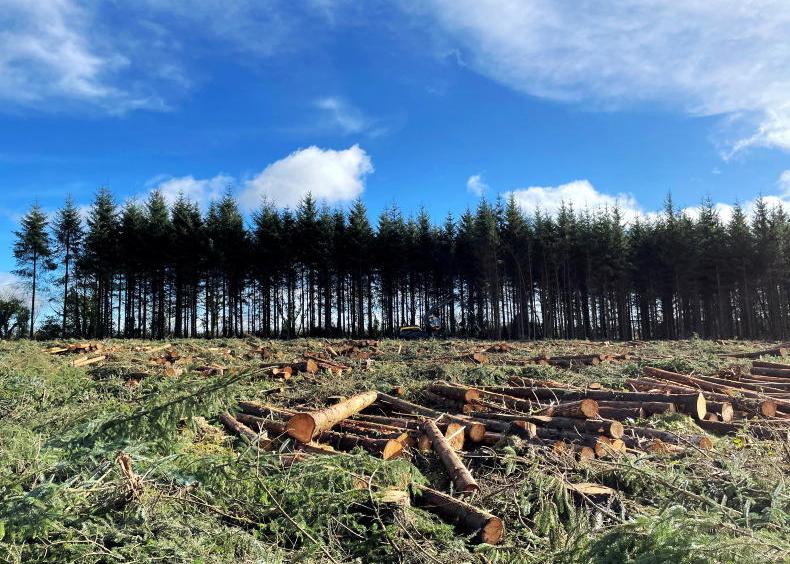
Locally produced fuel is the objective and the company was involved in an effort to encourage willow production for woodchip in recent years.
However, while the package offered was relatively attractive compared with alternatives, it did not offer farmers realistic income potential from good land.
Many different sources of fuel are now being used (including peat) but the majority of the renewable biomass is being imported. Peat is still the main bulk of the fuel, accounting for over 70%, but this is decreasing over time and it was 100% over a decade ago.
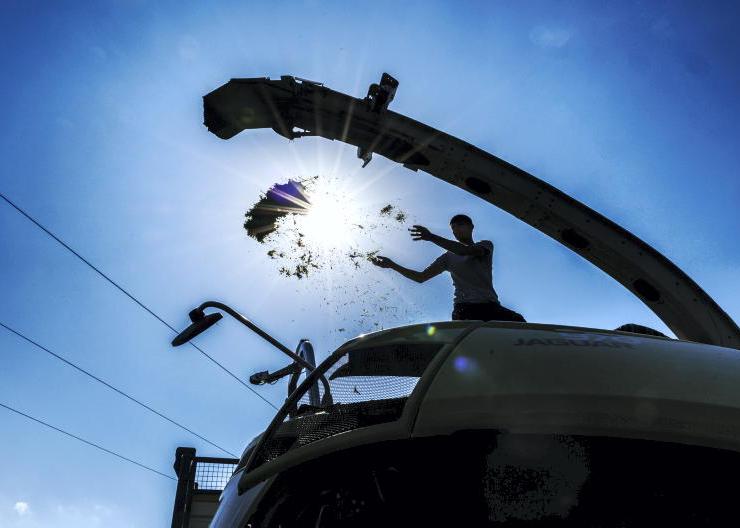
Palm kernel and sunflower husks were significant fuels (both imported) but there is also sawdust and wood chip used. There is a small amount of miscanthus being used but there are definite limitations with this fuel source in the boiler in Edenderry. These same issues mean that straw is not an option for this design of power plant burner.
Wind and bog
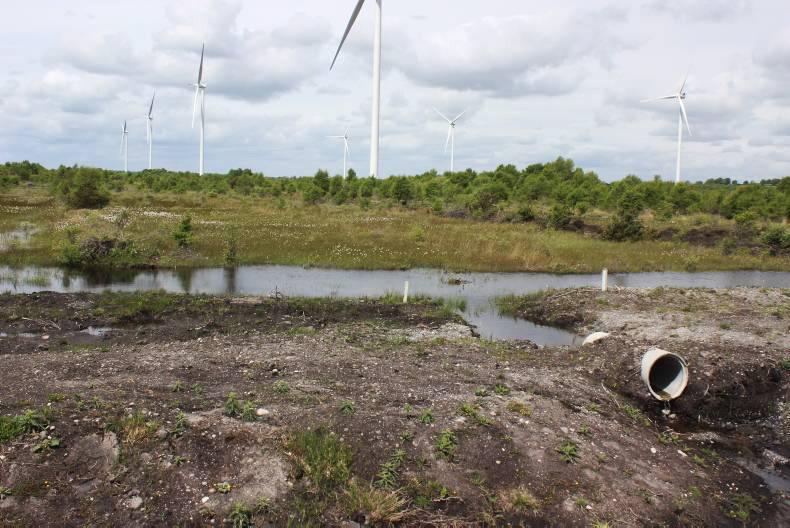
The visit to the nearby Mount Lucas windfarm was hugely interesting. Building anything in a bog is an engineering challenge, not to mention finding a foundation for nearly 30 towers that stand 100 meters tall with an additional 50m of blade height above that. That requires a lot of stability.
The story of the development was intriguing. Imagine the logistics of organising over 1,620 tonnes of concrete in a single pour into a steel reinforcing cage for each tower base.
Or the building of the 21.6 kilometer roadway infrastructure, combined with the archaeological activity that took place in conjunction with the construction process. These studies unearthed the ‘engineering capability’ of people thousands of years ago and how they constructed their roads through the wet bogs.
The Mount Lucas facility is now generating up to 84MW of electricity and Bord na Móna is constructing a service building with visitor meeting facilities in the middle of the 2,700 acre site. A seven kilometre section of the farm is now open to the public for walks and car parking is being constructed for that purpose.
It was interesting to see this section of cutaway bog being flooded to facilitate natural regeneration. We will not be around to check on progress 3000 years from now but one must start somewhere. It is interesting to see the natural bog vegetation returning and to see a bloom of bog cotton across sections of the bog, just like one would see in parts of Connemara.




SHARING OPTIONS