



The news this week that frozen blocks of beef containing a banned carcinogenic hormone has entered the EU food chain has reverberated right across Europe, with serious questions being asked as to the risks associated with importing beef from countries that don’t produce to the same standard as Europe.
The European Commission has always lauded its strong record on controls and checks on product coming into the EU market.
This is what the Mercosur trade deal has been built upon, with the EU guaranteeing that beef that is imported from any country, including Brazil, is produced to the same standard as beef in Europe.
It highlighted last week that the 1,200 farms that are approved for exports to the EU farm to a higher standard than the rest of their Brazilian counterparts.
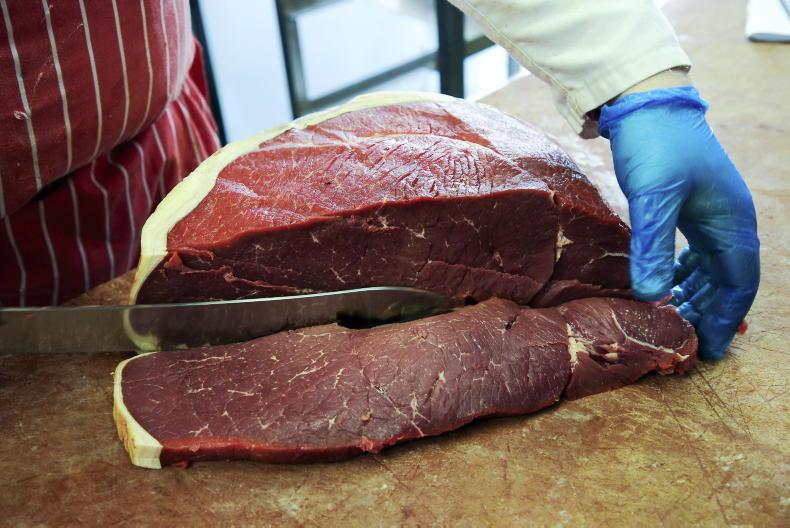
Yet despite all the checks and controls, affirmations and assurances, the fact is that frozen blocks of Brazilian beef containing the banned carcinogenic hormone oestradiol 17ß entered the EU market last month.
Worse still, this beef has been eaten by EU citizens, with the fallout and recall continuing right across Europe.
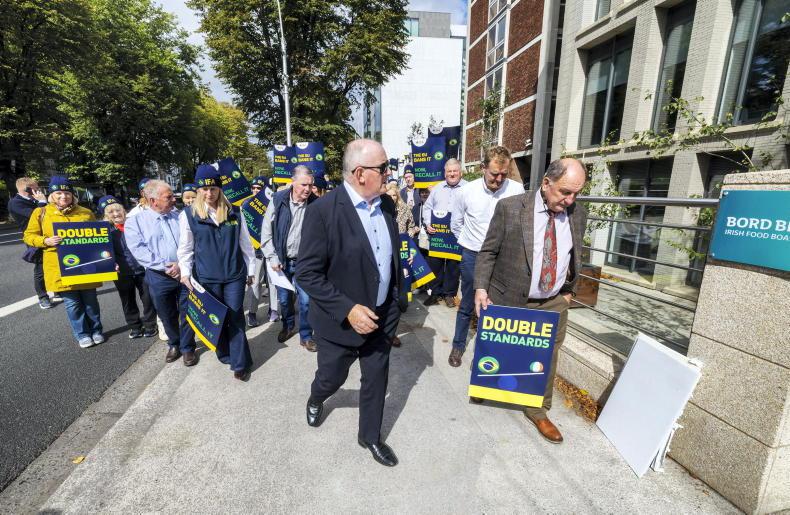
On page 13, Amy Forde asks Irish MEPs how they will vote on the Mercosur trade deal. Bearing in mind how close we are to the votes taking place, it’s disappointing to see some still sitting on the fence on such an important issue.
It was equally disappointing to hear Fine Gael MEP Regina Doherty extol the benefits of the deal on national airwaves this week. Fianna Fáil MEP Barry Andrews has also told the Irish Farmers Journal that he intends to vote in favour of the deal.
The Mercosur trade deal and the importation of an extra 99,000t of South American beef into Europe is obviously not top priority for their Dublin city constituents, but food safety for all EU citizens should be.
While up to this point, the argument against the Mercosur trade deal has been centered around standards and the impact on European beef farmers’ incomes, this week’s hormone revelations change the point of the argument against the deal to a food safety and human health one.
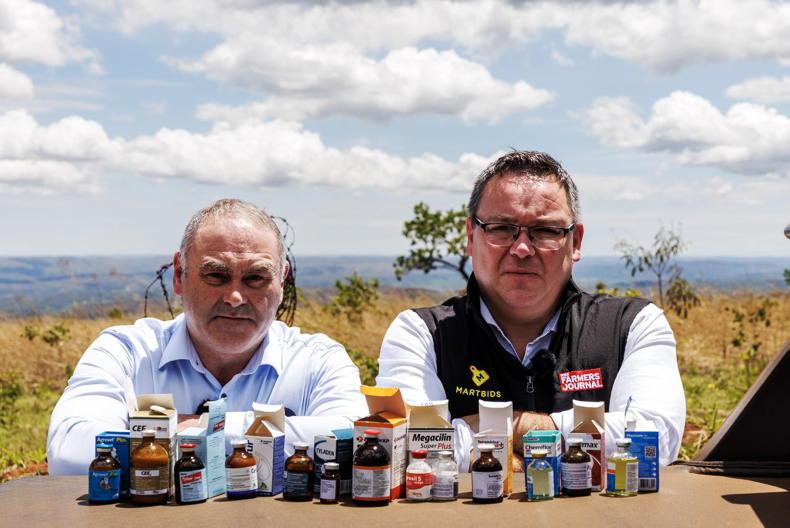
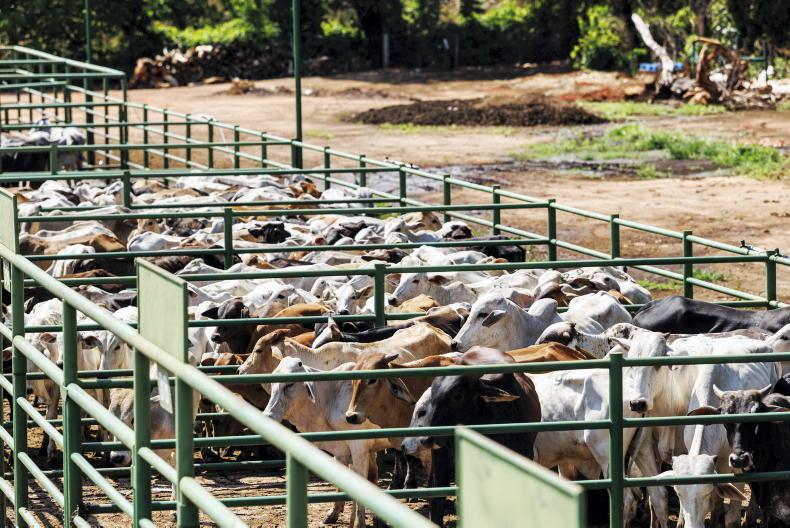
Last month’s Irish Farmers Journal/Irish Farmers Association Brazilian investigation demonstrated that the system is not in place in Brazil to implement the same traceability and food safety standards as are applied in Europe.
We witnessed animals in factory lairages with no tags, so how can Brazil decipher what has received hormones and what hasn’t? In their response to the recall, the European Commission remains confident that it has the checks and controls in place to safeguard European consumers, but I’m sure many who will read page 14-15 in this week’s edition will form a different opinion.
Any further ratification by European governments and members of the European Parliament of the Mercosur trade deal has to be paused until a full investigation of this breach is completed.
Food safety and the health of EU citizens is non-negotiable, no matter how many billions any trade deal is worth. Europe has also held up the health and safety of its citizens before anything else and shouldn’t deviate.
It appears the commission’s own 2024 audit findings were ignored, and recommendations issued to Brazil as a result of that 2024 audit were not adhered to.
After that audit, the European Commission requested Brazil set up an effective system to verify that bovine animals treated with oestradiol 17ß are excluded from export to the EU.
Upon receipt of the audit report, Brazil submitted an action plan and committed to suspend exports of meat from female bovine animals (males are not treated with oestradiol 17ß), pending implementation of a system providing the necessary guarantees. If Brazil gave an undertaking not to export beef from female animals, how have they ended up here now?
The hormone breach further demonstrates Brazil’s inability to meet the same standards for food safety as we have in Europe, and calls into real question the risks associated with rushing this deal through in the next few weeks.




SHARING OPTIONS