




Last week we finished buying cattle for the 2026 grazing season.
Did we overpay? Based on the current beef price yes, based on the beef price of 2025, they were good value.
But ultimately it’s the age old dilemma of having to have cattle to eat the growing grass.
The advice I was given, with I have no doubt good intentions, varied from buying forward stores so that they are less per unit weight and the keep will be short, to, on the other hand, buying young light cattle and at least they will grow into money and cope with whatever market gyrations happen during the year.
In fact, we ended up finishing the buying season by buying cattle that won’t be ready until well into 2027.
We will continue to sell this year’s beef cattle as they become fit
Regardless of market conditions, we have no option but to abide by the TB scheme rules and make sure that everything will be finished and go to the factory – a real act of faith.
Meantime, we will continue to sell this year’s beef cattle as they become fit and hope that the price continues to strengthen.
It has been the most difficult spring from a marketing and production point of view that I can ever remember.
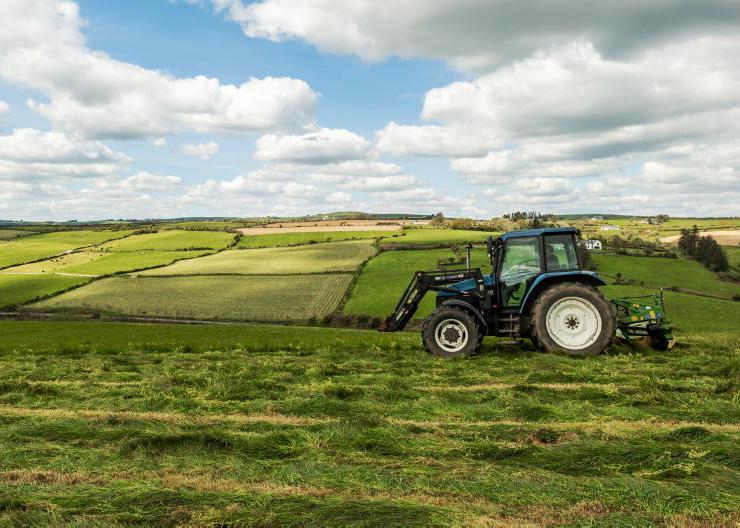
At this stage we still haven’t all the land intended for first cut silage closed up.
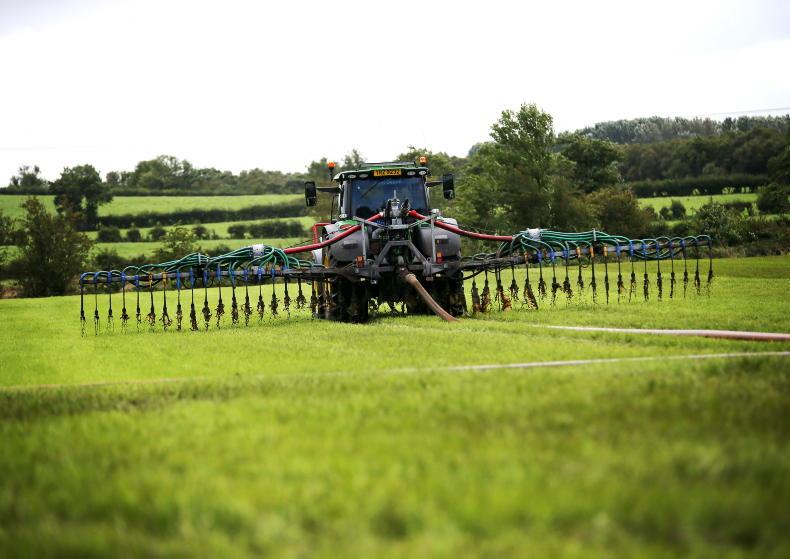
Ground conditions for spraying and fertiliser spreading have improved hugely
We will scale back on the nitrogen to the later closed land to ensure that whatever we spread will be fully used up by late May/early June rather than having silage that is high in nitrates and preserves badly.
Out in the crops, we have caught up fully.
Ground conditions for spraying and fertiliser spreading have improved hugely.
The winter barley has got growth regulator and fungicide and the winter wheat has received its first spray.
The beans are rolled and treated with a pre-emergent herbicide – this particular herbicide needs some moisture to work fully effectively so an odd shower would do no harm.
Rooftop solar
Meanwhile, we are able to monitor our rooftop solar installation as it went in just before Christmas.
It is now fully possible to track the production of electricity as the days get longer and sunnier.
The technology behind the system I find extraordinary with the three streams of output being channelled into what’s used first in consumption, then to recharging the battery which I had to install to be eligible for the grant and finally, the surplus to go back to supplying the grid, which is what I get paid for.
And all the time, the current keeps coming totally controlled and consistent.


SHARING OPTIONS