



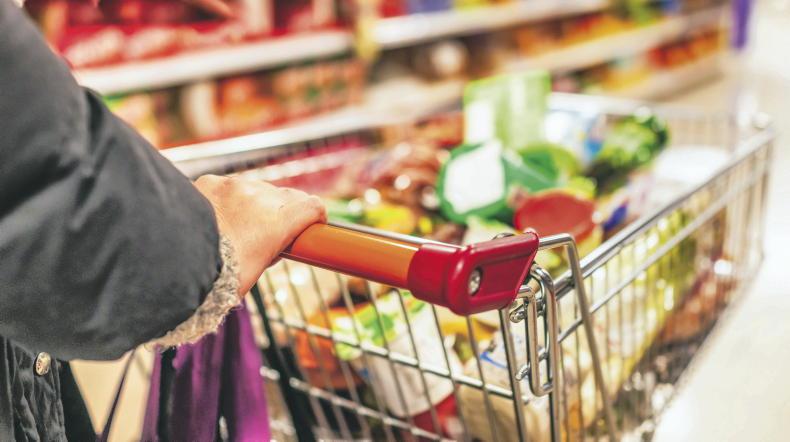
Sales of lamb in UK supermarkets increased by 14.9% in the four weeks leading up to Easter Sunday and 2.6 million shoppers bought the meat most associated with the feast in the week leading up to 5 April, according to Worldpanel by Numerator data released this week.
Overall grocery price inflation was at 3.8% for the four-week period ending 19 April 2026, which is the lowest it has been since April 2025.
This is based on over 75,000 identical products compared year on year in the proportions bought by UK shoppers. Inflation at this level suggests that the impact of conflict in the Middle East has not yet filtered into prices on the supermarket shelves.
Worldpanel reports that process is rising fastest in medicines and treatments, fresh unprocessed fish and fresh unprocessed meat, while they are falling fastest in chilled butter and spreads, sugar confectionery and household paper.
Supermarket share
Tesco, the UK’s largest retailer, increased its market share in the 12 weeks to 19 April by 0.4 percentage points and it now has a 28.1% share of the UK grocery market overall.
The next-largest supermarket, Sainsbury’s, increased its share by 0.2 percentage points to 15% of the market, while the third-placed retailer, Asda, recorded a drop of 0.6 percentage points to 11.2%.
Aldi is the next-largest retailer with a 10.6% share of the market, down slightly compared with the same period last year, while Lidl has grown to a new market share high of 8.4%, having had 8% in the period to April 2025.
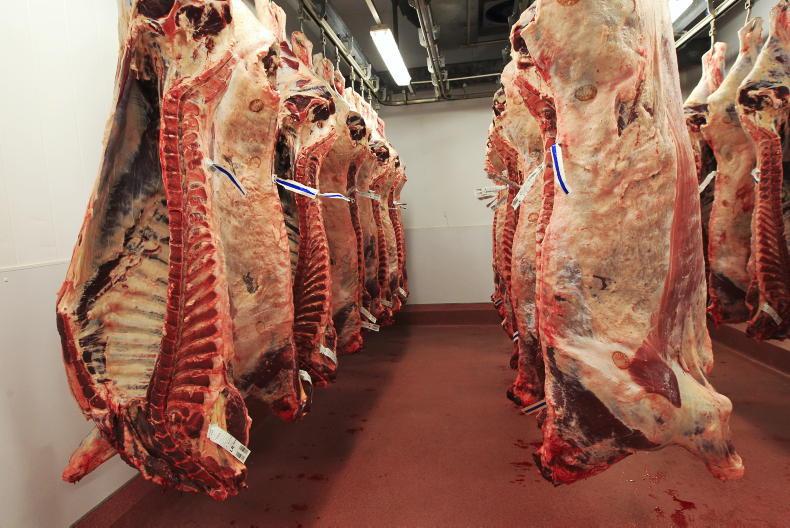
Irish beef producers and exporters have a particular interest in the performance of the top three supermarket groups, as they offer their shoppers British and Irish beef.
In October 2025, Morrisons, which has an 8.4% share of the UK grocery market, introduced a range of Australian beef alongside its otherwise exclusively UK beef range, while all of the other major retailers offer exclusively UK beef.
The UK retail market is less important for Irish sheepmeat exports, particularly at this time of year, as they prioritise EU markets.
Overall, the UK market is significant for Irish dairy and pigmeat exports, though both compete with other imported alternatives in the retail market, unlike beef.



SHARING OPTIONS