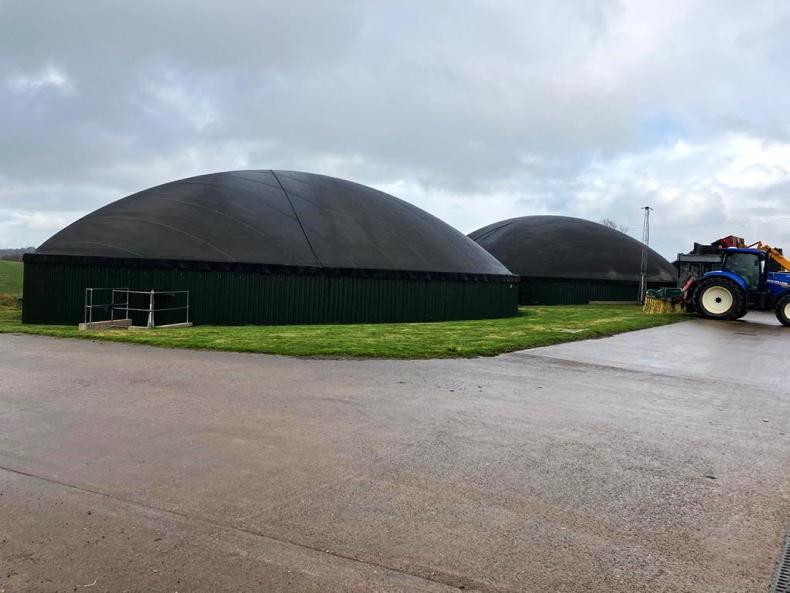
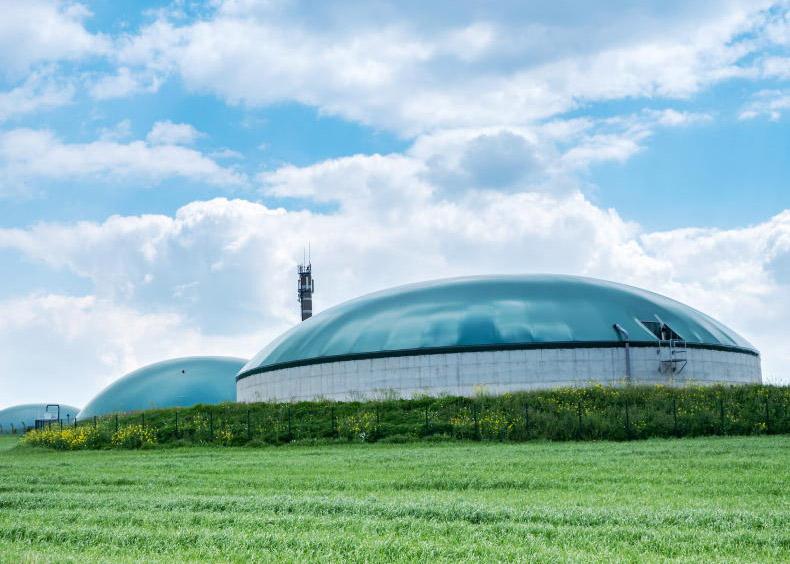
Of all the proven technologies that currently exist which have the potential to deliver rapid de-carbonisation in energy, agriculture and waste sectors, it is impossible to look past anaerobic digestion (AD).
Yet, there remains a lot of negativity towards AD, partly driven by some environmentalists who argue that just because slurry and manure have been through a facility, it doesn’t mean issues around ammonia emissions or water quality are gone.
Yet, as reported on page 6, when AD is combined with other technologies, such as slurry separation or processing of digestate to remove phosphorus (P), it helps to solve many of the environmental issues we currently face.
As well as offering a reliable and consistent source of renewable heat and energy, there is also the potential to utilise sewage sludge from water treatment works in AD.
Long-term, the UK Climate Change Committee (CCC), sees AD as a route to harvesting off carbon dioxide (CO2). It is produced during the process of upgrading biogas from AD to biomethane, which can then be injected into the gas grid. In addition, there is the potential to capture CO2 when biomethane is utilised in gas power plants. All this CO2 would then be put in long-term storage underground, in a process which has become a central plank of UK plans to get to net zero.
Exploit
With a climate that is perfect for growing grass and a plentiful supply of livestock slurry, NI is ideally suited to exploit the technology.
But there are significant barriers to overcome, principally in the planning process, infrastructure development and also the lack of government incentives in NI for any form of renewable energy.
Assuming these issues can be resolved, the other big challenge for farmers is how to ensure any financial reward does not end up outside the industry. The financial outlay is significant and at the scale of AD plants being envisaged, it is probably only something a farmer co-operative type structure could contemplate taking on.
Read more
Significant interest in setting up an AD industry, new report finds
Land use is changing but what are the opportunities for farmers?
Of all the proven technologies that currently exist which have the potential to deliver rapid de-carbonisation in energy, agriculture and waste sectors, it is impossible to look past anaerobic digestion (AD).
Yet, there remains a lot of negativity towards AD, partly driven by some environmentalists who argue that just because slurry and manure have been through a facility, it doesn’t mean issues around ammonia emissions or water quality are gone.
Yet, as reported on page 6, when AD is combined with other technologies, such as slurry separation or processing of digestate to remove phosphorus (P), it helps to solve many of the environmental issues we currently face.
As well as offering a reliable and consistent source of renewable heat and energy, there is also the potential to utilise sewage sludge from water treatment works in AD.
Long-term, the UK Climate Change Committee (CCC), sees AD as a route to harvesting off carbon dioxide (CO2). It is produced during the process of upgrading biogas from AD to biomethane, which can then be injected into the gas grid. In addition, there is the potential to capture CO2 when biomethane is utilised in gas power plants. All this CO2 would then be put in long-term storage underground, in a process which has become a central plank of UK plans to get to net zero.
Exploit
With a climate that is perfect for growing grass and a plentiful supply of livestock slurry, NI is ideally suited to exploit the technology.
But there are significant barriers to overcome, principally in the planning process, infrastructure development and also the lack of government incentives in NI for any form of renewable energy.
Assuming these issues can be resolved, the other big challenge for farmers is how to ensure any financial reward does not end up outside the industry. The financial outlay is significant and at the scale of AD plants being envisaged, it is probably only something a farmer co-operative type structure could contemplate taking on.
Read more
Significant interest in setting up an AD industry, new report finds
Land use is changing but what are the opportunities for farmers?







SHARING OPTIONS