Less than a year after it was initially introduced to Parliament, the Trade (Australia and New Zealand) Act 2023 received Royal Assent last Thursday 23 March with little fanfare.
This means that the deal is now approved by the UK Parliament - all that remains is for a date to be set for when it will take effect.
The expectation in Australia and New Zealand is that it will be sometime around the middle of this year.
UK open door policy
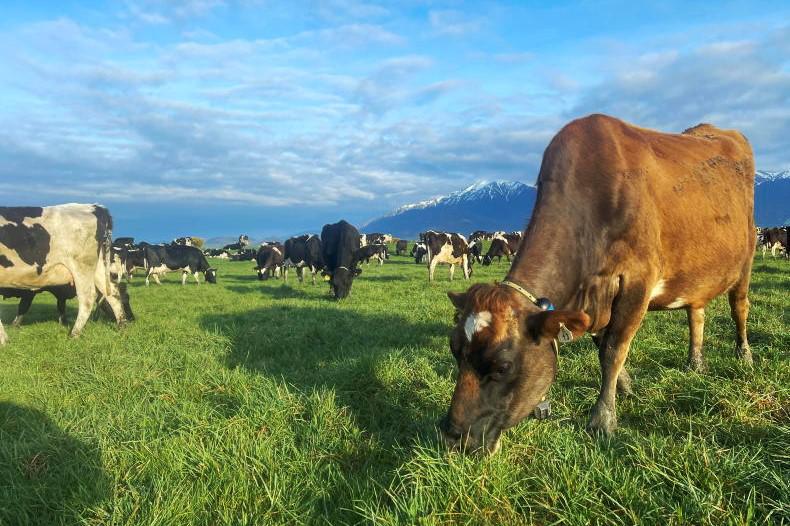
The UK will open its doors widely to ultimately unlimited imports of dairy, beef and sheep meat from Australia and New Zealand.
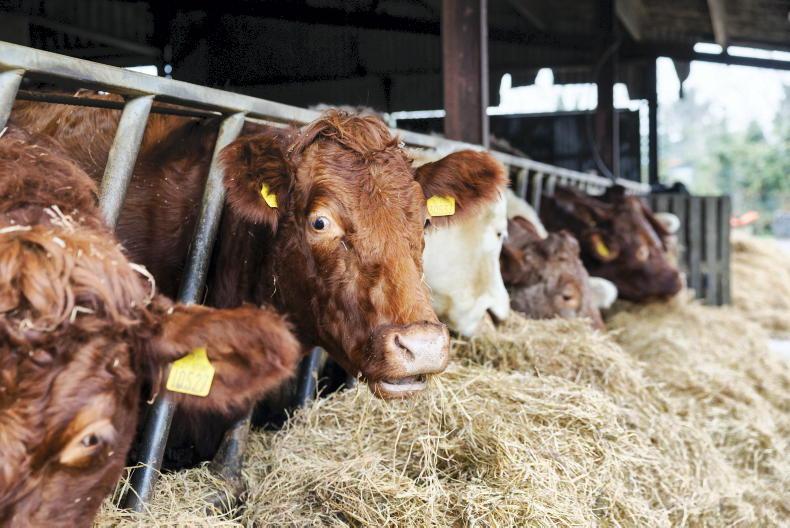
The fact that beef and sheep meat in particular are historically much cheaper in New Zealand than in the UK (or indeed Ireland), means that formidable competition is just around the corner for Irish and UK farmers.
New Zealand and Australian product hit the UK market in the aftermath of an investigation by the National Food Crime Unit (NCFU), which is part of the Food Standards Agency (FSA), into the labeling of Danish pork as British.
British meat in general carries a premium with consumers in the market, and a sure and fast way to add value to an imported product is by relabelling it as British.
Of course, where this happens, it is a fraud, hence the interest to the NFCU.
With large volumes of New Zealand and Australian beef and sheep meat in circulation, there is a risk that they too could become part of a future fraud.
Reversal of EU membership
In any case, Irish farmers and exporters will face a challenge in the British market not seen since before Ireland joined the then-EEC in 1973. From that point until Brexit, access to the UK market for external countries to the EU was the same as it was to all of the EU.
With Brexit and the UK making its own trading terms, the British market is again open to all comers that the UK Government will approve.
While accepting that Australia and New Zealand may crowd the market, there is also the potential knock-on effect of increased British sales in EU markets if the British market was to become oversupplied.
This is because while the Trade and Cooperation Agreement doesn’t allow the UK to be a base for third-country exports to the EU, it does provide for unlimited access for British origin goods to EU markets.
It doesn’t take a huge leap of imagination to visualise a large supply of New Zealand and Australian product on the British market, squeezing prices for domestic production, which in turn would look to EU markets - where Australian and New Zealand products have limited access - as an alternative.
Proximity still matters
While Irish farmers and exporters as well as their UK counterparts will have additional competition in the British market, they are unlikely to cause complete displacement in the foreseeable future.
This is because geography as well as trade terms also act as barriers. The reality is that the UK is as far from New Zealand and Australia as Ireland is from Asian markets.
Even with the most favourable prices, there is always a preference for closer, more accessible markets.
Irish suppliers can fit in just in time buying policies of UK customers with a 24-hour delivery time, whereas orders from Australia and New Zealand will take several weeks to reach the UK.
That said, we can be sure that British buyers will reference Australian and New Zealand prices when in negotiation with Irish or indeed British suppliers.
Read more
It’s back to the future for Irish beef exports to Britain
'Global Britain' will not be good for Ireland
How will UK trade agreements affect Irish farmers?
Less than a year after it was initially introduced to Parliament, the Trade (Australia and New Zealand) Act 2023 received Royal Assent last Thursday 23 March with little fanfare.
This means that the deal is now approved by the UK Parliament - all that remains is for a date to be set for when it will take effect.
The expectation in Australia and New Zealand is that it will be sometime around the middle of this year.
UK open door policy
The UK will open its doors widely to ultimately unlimited imports of dairy, beef and sheep meat from Australia and New Zealand.
The fact that beef and sheep meat in particular are historically much cheaper in New Zealand than in the UK (or indeed Ireland), means that formidable competition is just around the corner for Irish and UK farmers.
New Zealand and Australian product hit the UK market in the aftermath of an investigation by the National Food Crime Unit (NCFU), which is part of the Food Standards Agency (FSA), into the labeling of Danish pork as British.
British meat in general carries a premium with consumers in the market, and a sure and fast way to add value to an imported product is by relabelling it as British.
Of course, where this happens, it is a fraud, hence the interest to the NFCU.
With large volumes of New Zealand and Australian beef and sheep meat in circulation, there is a risk that they too could become part of a future fraud.
Reversal of EU membership
In any case, Irish farmers and exporters will face a challenge in the British market not seen since before Ireland joined the then-EEC in 1973. From that point until Brexit, access to the UK market for external countries to the EU was the same as it was to all of the EU.
With Brexit and the UK making its own trading terms, the British market is again open to all comers that the UK Government will approve.
While accepting that Australia and New Zealand may crowd the market, there is also the potential knock-on effect of increased British sales in EU markets if the British market was to become oversupplied.
This is because while the Trade and Cooperation Agreement doesn’t allow the UK to be a base for third-country exports to the EU, it does provide for unlimited access for British origin goods to EU markets.
It doesn’t take a huge leap of imagination to visualise a large supply of New Zealand and Australian product on the British market, squeezing prices for domestic production, which in turn would look to EU markets - where Australian and New Zealand products have limited access - as an alternative.
Proximity still matters
While Irish farmers and exporters as well as their UK counterparts will have additional competition in the British market, they are unlikely to cause complete displacement in the foreseeable future.
This is because geography as well as trade terms also act as barriers. The reality is that the UK is as far from New Zealand and Australia as Ireland is from Asian markets.
Even with the most favourable prices, there is always a preference for closer, more accessible markets.
Irish suppliers can fit in just in time buying policies of UK customers with a 24-hour delivery time, whereas orders from Australia and New Zealand will take several weeks to reach the UK.
That said, we can be sure that British buyers will reference Australian and New Zealand prices when in negotiation with Irish or indeed British suppliers.
Read more
It’s back to the future for Irish beef exports to Britain
'Global Britain' will not be good for Ireland
How will UK trade agreements affect Irish farmers?






SHARING OPTIONS