


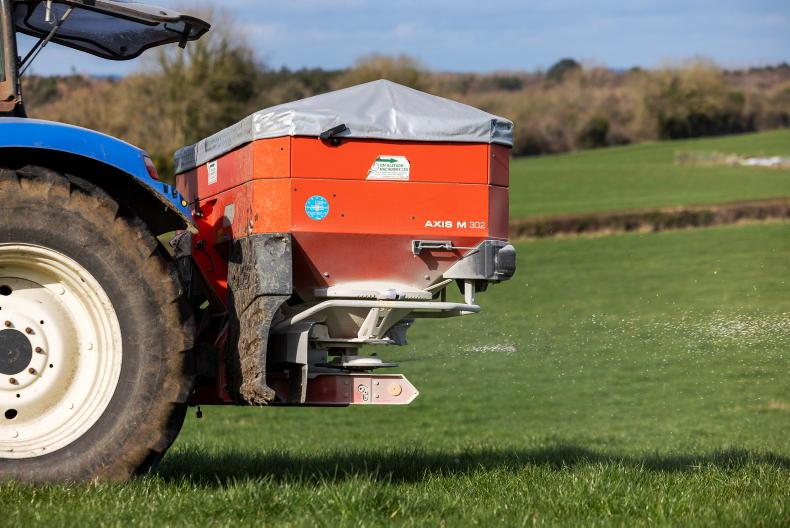
Fertiliser: The closed period for chemical fertiliser comes in to place from 15 September.
It is important that you are aware of your fertiliser limits and adhere to them, with your own farm advisor able to advise on your remaining balance of N,P and K once they know what you have spread to date.
With a lot of paddocks having been taken out on drystock farms in the west and northwest this year for surplus silage, it is important that off takes of nutrients, especially K, is replaced. While slurry is the ideal, low index paddocks will benefit greatly from 1 bag/acre of muriate of potash (MOP).
It is also important to be mindful that a ban on usage of unprotected urea comes in to place from 15 September, meaning any urea sitting in the yard after this period will not be allowed to be spread. With rainfall forecast across the country, spreading unprotected urea should work fine now.
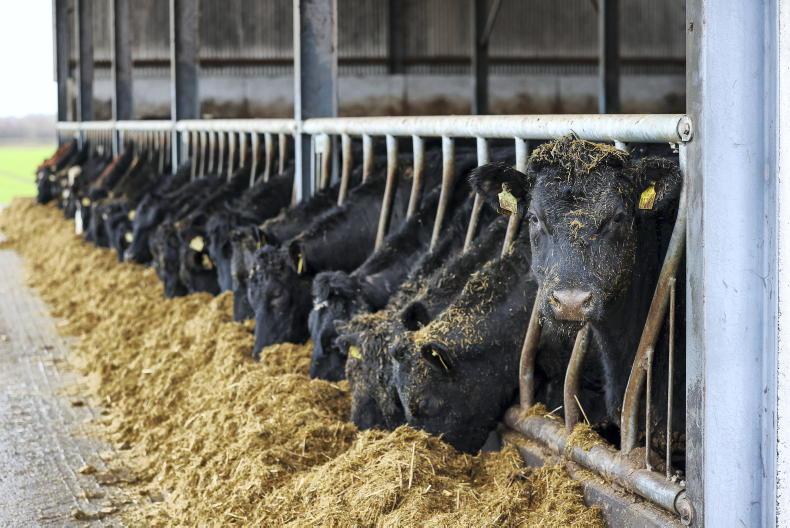
Housing preparation: With the last round of fertiliser being spread, the attention should turn to prepping cattle houses. As both of our vets at our Summer Animal Health meetings in Ballinasloe and Castleisland pointed out, ventilation is essential to reduce air borne diseases in weanlings.
Look at your own shed and assess the air inlet and outlet spacing. If you feel the air inlet spacing is inadequate, look to improve it by changing solid/poor porosity vented sheeting to space or Yorkshire boarding. Simple fixes such as kicking out the bottom of side sheeting away from the wall to leave a gap can also work well.
Where there is a lack of air outlet spacing (0.1m² required per weanling) then there are also options to increase it. A solid roof can be converted to a ‘breathing’ roof by removing sheets and spacing them 25mm apart. This can also be achieved to a lesser extent by raising two sheets per bay up with timbers. All of the above are options where a covered ridge canopy on an A-framed roof is not effective enough. It is also worth inspecting older roofs after the storms in spring to ensure that sheeting has not become loosened.
Sheds should also be power washed and disinfected if not already done. Any welding or repairs should be carried out now, with it being possibly a good year to replace older barriers and gates from a financial point of view.
Reseed management: It’s been a popular year for reseeding, with the weather playing ball for ground conditions and grass growth. Many farmers are opting to whip out paddocks for reseeding instead of mowing out more paddocks as surplus. For paddocks that have been reseeded between four and six weeks ago, now is a good time to use a post-emergence spray on them to get an optimal kill. Where clover has been incorporated in to the mix, then it is essential that a clover safe spray is used, otherwise it will be wiped out.
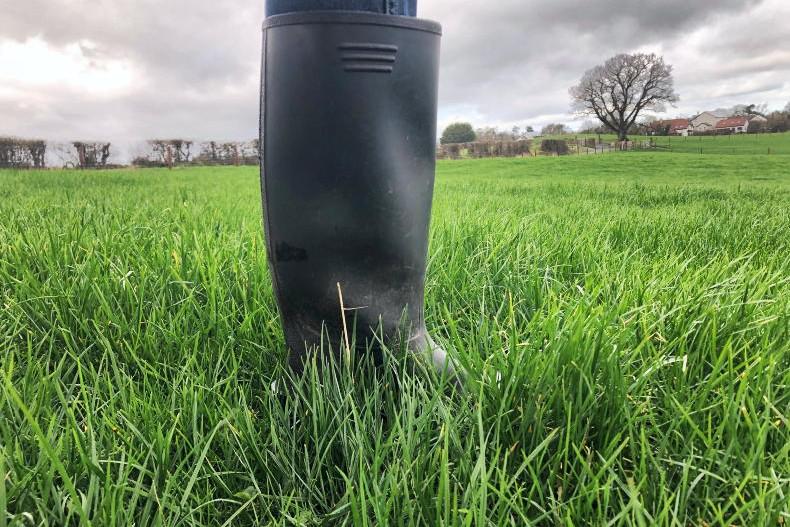
Most sprays on the market required two weeks to be left before grazing commences, so timing this right to ensure swards don’t become overly strong is essential. Swards should be 1,400-1,500kg DM/ha before grazing for the first time. A good rule of thumb is that when you pull up the grass, the roots should not come with you.




SHARING OPTIONS