



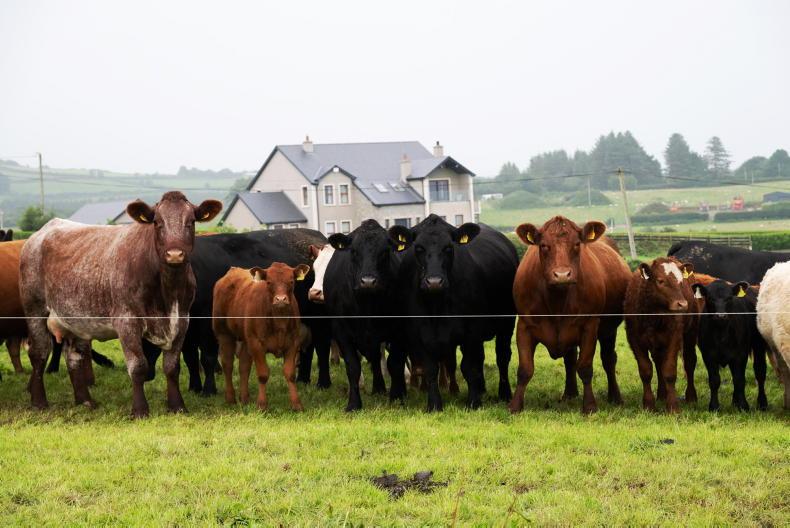
Finishing cattle off grass: Cattle that are being targeted for finishing off grass should be starting to put on fat cover now, so keep a close eye over the coming weeks to ensure cattle are drafted on time.
If cattle earmarked for next month appear lean, increase meal levels being fed. Grass will provide more than enough protein for the animal, so buy a high-energy ration with a protein level of 12% to 14%. Ideally, a simple mix of barley, soya hulls and beet pulp will do the job. You could include some maize meal if you are feeding late-maturing continental animals.
Feeding 3kg to 4kg/day should suffice in heifers and dairy-bred steers, with 4kg to 6kg/day enough for continental-type steers. Split the meal into two feeds per day. Autumn grass is lower in energy, so higher meal levels will increase energy intake and help animals hit the correct fat score. It will also help to improve grading and killout. If ground conditions are difficult, you may be better to house and feed indoors for the final few weeks.
Clostridia Vaccine: I have heard of a number of incidences of blackleg over the past two weeks. If clostridia disease has been a problem on your farm in the past, it’s important to vaccinate against it. Combination vaccines give maximum protection. It’s a two-shot programme and it’s important to follow up with the second shot four to six weeks after the first. This vaccine will give six months of cover for a number of diseases. Consult with your vet as to the risk level on the farm.
Breeding Vaccines: Replacement heifers that are due to be bred this autumn should get their first shot of BVD and LEPTO vaccines around now. This allows time for their second shot in four weeks’ time in advance of breeding. Ideally the second shot of vaccine should be given two weeks in advance of breeding to allow sufficient antibodies built up.
Tetany: Wet weather and colder temperatures mark an increased risk of tetany on suckler farms. More rain is forecast for the weekend, so make sure to have preventative measures in place ahead of any difficult weather conditions. Cows sucking string early spring-born calves will be particularly at risk. Suckler cows have a poor capability of storing magnesium (Mg) in their body and need a daily supply to prevent deficiency. It is common with suckler cows when they are grazing very bare, as well as lush pastures. This grass is frequently low in Mg due to quick growth and heavy slurry spreading, which is high in potassium and can have a negative effect on Mg uptake. It can be associated with stress like transport, wet weather, cows in heat or changes in diet or pasture.
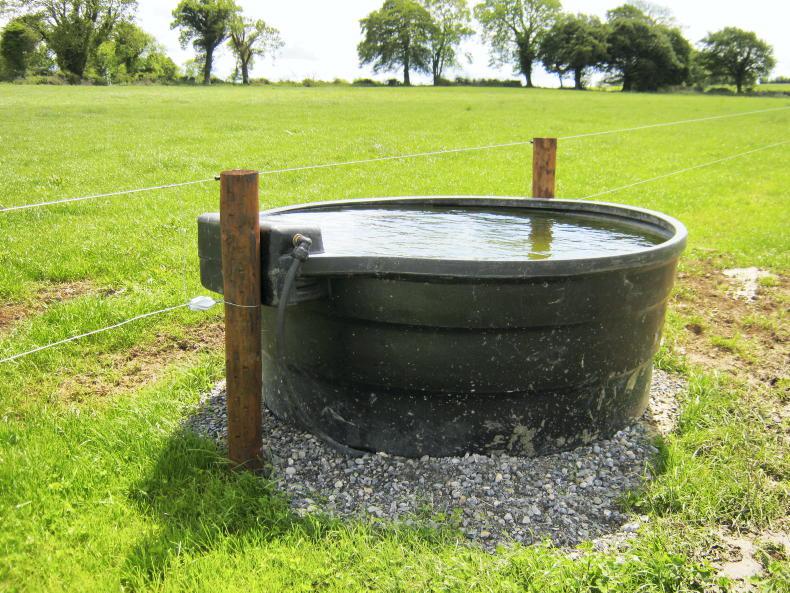
Ways of controlling or preventing grass tetany include: feeding Mg concentrates, the addition of Mg to drinking water, buffer feeding with hay or straw, giving access to high Mg minerals, either through powder mineral, mineral licks, or the use of magnesium bullets – two bullets/boluses per cow, which will release Mg at a controlled rate each day for four to six weeks.




SHARING OPTIONS