



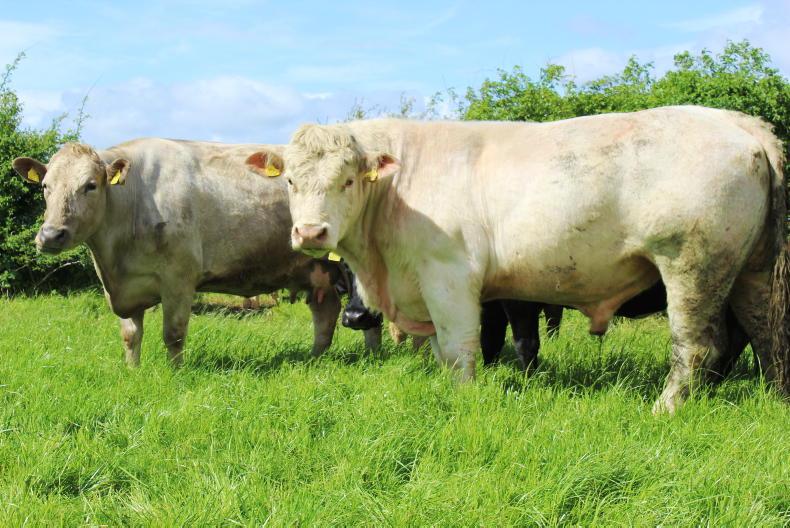
Nitrate poisonining: a belt of high pressure returning towards the weekend should push growth rates up massively.
While this is obviously a huge positive, there are also risks associated with it coming off some lackluster growth on a lot of drystock farms, namely bloat and nitrate poisoning. Lush grass with a high nitrogen and/or potash uptake seems to be high-risk swards for both.
Bloat is the more common of the two and is normally associated with high clover swards, but can also occur where clover isn’t present.
Nitrate poisoning is usually a risk where high levels of N is sitting in the soil amid poor growth conditions and then is rapidly up taken when good growth hits. Unfortunately, the first indication of an issue with nitrate poisoning is usually a dead cow or cows.
Cows should be watched closely after being turned out in to a paddock with suspected high nitrate or clover levels for the first hour or two. It’s a good idea to ensure that cattle are not overly hungry when turned out on to a fresh paddock, as they are more likely to gorge themselves. Mixing grazing between lush and stemmy paddocks, with lush paddocks grazed in the evening where the risk is lower, is also a good option.
With the uptake in growth in the next week or so, a safer option might be to earmark high risk paddocks for baling out in a few weeks. If you do suspect nitrate poisoning has happened, move cattle out of that paddock and contact your vet immediately.
Breeding progress: suckler herds will begin the second cycle of breeding in the coming week or so, and it’s hugely important that a keen eye is given on the conception rates in the first round, particularly where a stock bull is involved. A high repeat rate in cows is usually an indicator of an infertile or sub-fertile bull, and corrective action will need to be taken.
The first port of call if you do suspect this has happened is a fertility test. While it is not generally recommended during the breeding season, it’s nearly a necessity where you feel a bull is infertile or sub fertile. Cows can be scanned from day 30 onwards, so if the first cows bred have gone past this it may be also beneficial to scan now and assess. A bull that is not performing is better identified now and calving dates pushed back through taking corrective action than a shock at scanning later in the year.
Summer scour: summer scour in dairy beef calves will be an issue many farmers face in the coming weeks. One of the primary issues that appear to cause the disease is a lack of fibre in the diet. Calves are turned out into lush paddocks and are not forced to graze them down tightly to the base of the plant where the fibre is.
Calves should be grazing small areas and cleaning out paddocks, while a long fibre source such as straw also works well. Cutting holes in to the side of an IBC tank and filling with straw keeps it dry and is easily moved from paddock to paddock with a tractor or telehandler.


SHARING OPTIONS