



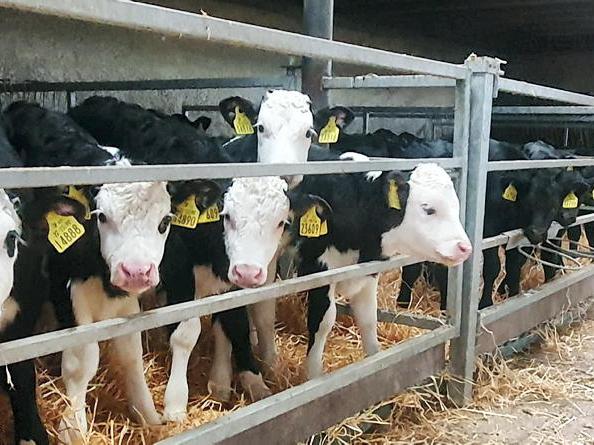
Calf sales around the country are just starting to take off with numbers beginning to grow as the season kicks into gear once again.
Over the coming weeks we will outline some of the challenges associated with dairy-beef systems, demonstrate best practice at farm level and outline some top tips when preparing for calf arrival and navigating the rearing period.
While this is an enterprise that is growing year on year, with the proportion of the national kill coming from the dairy herd now sitting at over 57% compared to 47% in 2010, it is an industry with many challenges.
The magnitude of these challenges was captured quite clearly at Teagasc’s virtual dairy conference last November when Nicky Byrne of Teagasc Grange outlined that over a five-year period, only 39% of dairy beef farmers continued to purchase calves beyond this timeframe.
So where do the problems arise? The main reason for farmers leaving the industry leads back to one core problem – a lack of profitability.
A lack of profitability is a culmination of a number of factors. These include:
1. Calf quality – There has been a tendency for the beef value of calves coming from the dairy herd to be declining in recent years leading to lower carcase weights and poorer conformation. While the introduction of the dairy beef index (DBI) in 2019 has started to help improve beef characteristics, there is a need for greater uptake of the index at farm level and especially with the quality of beef stock bulls being used on dairy farms.
Solution: Only buy calves from known sources where you know better beef genetics are being used on farm. Another big part of this is the cow genetics. If you know the type of cow that the calf is coming from, it will eliminate the poorer beef characteristics from purchased calves.
While buying from known sources is not always possible or achievable, as an industry we need to get to a point where every calf is genomically tested at birth so that buyers – be that at the mart or farm to farm – have the information to hand. The current system is too much of a gamble for farmers who are purchasing in the dark.
It is easy to spot the extreme dairy breeds at a young age but in cases where these extreme breeds only account for 25% or less of the genetic makeup, it can be near impossible to identify in a calf at two to three weeks old.
2. Not having a budget carried out – Buying a few calves can be done without any major outlay of cash and it is seen as an easy enterprise to get into. However, if you intend to bring these animals through to slaughter, you are looking at associated costs ranging anywhere from €700 to €900 depending on the system and level of performance. It can therefore be an expensive system to get out of.
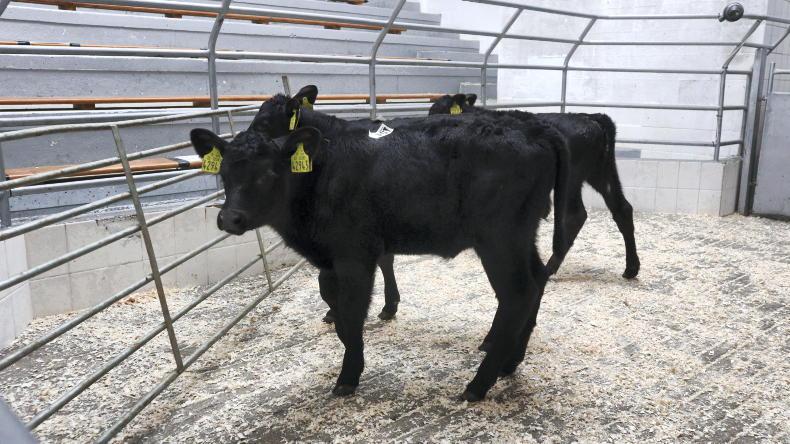
Solution: Sitting down and carrying out a simple budget prior to any calf purchase is really important – something that we will look at in more detail next week.
Having a budget is only a use if you stick to it. Too often the budget is blown day one ringside, when too much is paid for calves that will fail to deliver for you in terms of performance or output.
Concentrate prices are €100/t greater than this time last year, milk powder costs have increased by 20% while this year’s increases in fertiliser prices also need to be factored into the equation.
3. Performance at farm level – Underperformance at farm level is a huge cost to the overall system. This comes back to health, environment, nutrition and ultimately the attention to detail of the farmer.
Dairy-beef calves are very different to suckler calves. There is no cow to look after them either in terms of keeping them warm or providing nutrition.
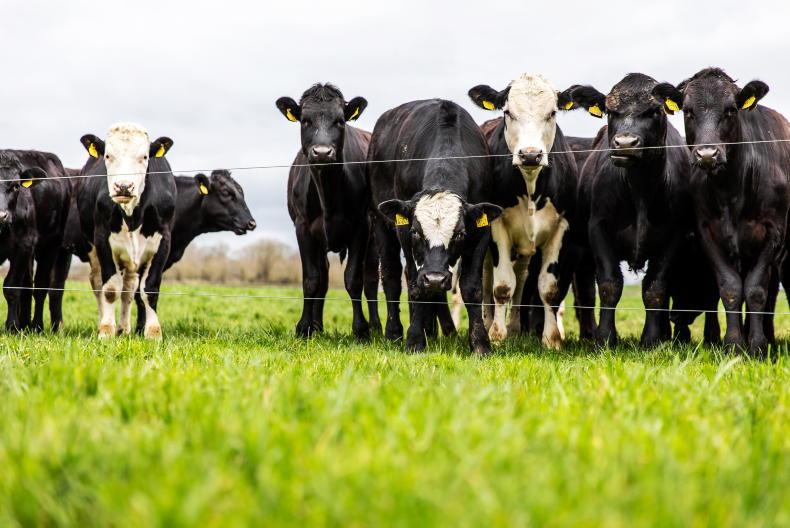
Solution: Work on improving your grassland management skills. Dairy beef systems need to operate at a level of grassland management similar to that of a dairy farm. Entering the right grazing covers consistently and fresh grass allocations at least twice a week are a must if performance is to be adequate.
Silage quality needs to be top notch. There is no place for medium-quality silage in a dairy beef enterprise. At a minimum you need to be making 70% DMD silage to try and minimise the level of concentrates required during the winter period.
Have a health protocol in place that you use and adapt each year as you encounter different issues. Speak to your vet about vaccination protocols and find something that will work for you and your farm.
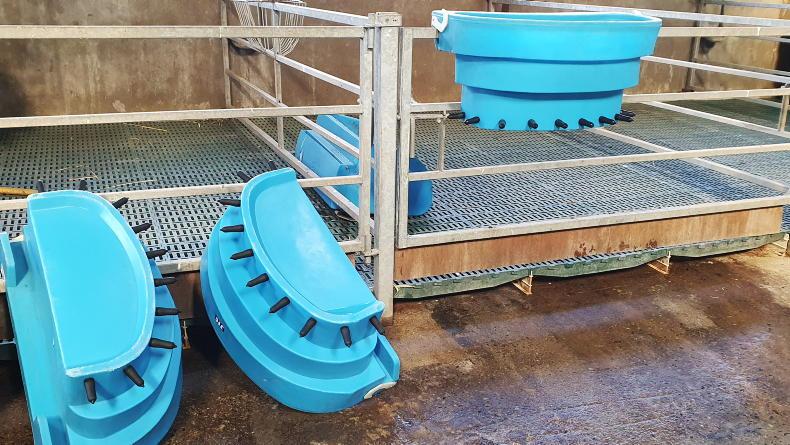
These are just some of the headline issues that need to be addressed if a dairy beef system is going to work and have a chance of leaving a positive margin on your farm.
Next week we will outline a simple budget based on the Thrive demo farm costings over the last number of years.




SHARING OPTIONS