



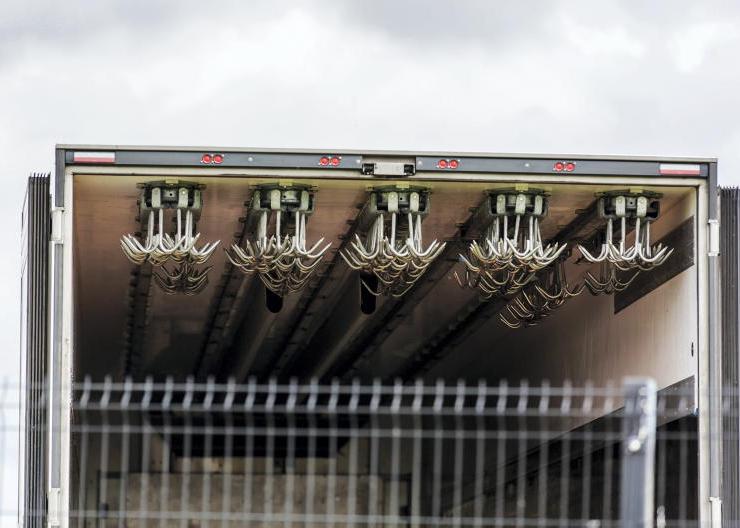
Ireland’s beef factories need to restructure to ensure their long-term profitability given the predicted fall in beef production, a leading meat market analyst has said.
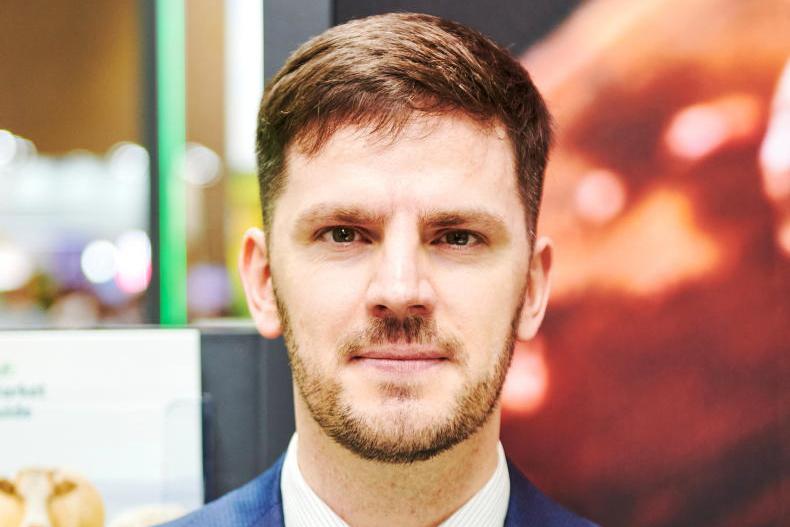
“The reality in all of our data, I think everybody agrees, is that Irish beef production is going to decline,” Rupert Claxton of GIRA has said.
“We’re going to see the dairy herd decline a little bit, we’ve got [farm] capacity challenges around environmental constraints, you are going to have less beef,” he said.
He told last week’s Teagasc beef conference that suckler farmers are making money and finishers are making a margin.
“You’ve got a problem when it gets into the factories, in that when we get there you haven’t got the capital to keep it running at capacity any more. So there’s got to be some rationalisation and restructuring.”
He said it’s the same in the UK, French and German markets.
“It’s the same across Europe – we’ve got too many beef factories. We need to streamline and we need to make sure that there’s profit in that bit of the industry because although there’s a tension up and down the industry, the reality is that none of it works without the supply or without the route to market. We’ve got to make sure that the whole thing works,” he said.
He added that the risk for the Irish beef industry is making sure that that next step in the chain stays profitable and keeps beef moving out to export markets.
Claxton said that consolidation was not necessarily less companies, but potentially fewer factories.
Brazil
The meat market analyst said he was asked how Ireland will compete with Brazilian beef on price.
“You’re not, don’t be silly. But you can compete on service and quality. You can be in the UK market overnight, the Brazilians are six weeks away on a boat. Somebody’s got to order that, cut it, pack it, get it sorted out.
“You can respond tomorrow – that’s how you beat the Brazilians. That’s how you hang onto the highest value opportunities.
“Don’t chase around the back end of it- it’s about how you service the top bit. That means the quality of everything that comes back to your farms has to be the best in the world.”



SHARING OPTIONS