



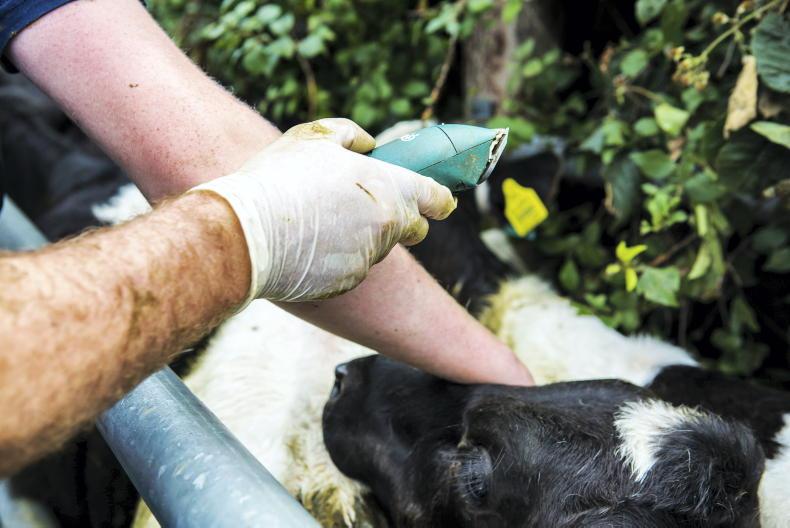
The steering group established in 2024 to drive England’s TB eradication efforts has said the aim should be to deploy a cattle vaccine to farms within the next four years.
“This would help protect cattle, reduce the spread of disease and accelerate progress towards officially bovine TB-free status,” according to the group’s recommendations to the UK government.
The steering group of farmers, scientists, vets and researchers set 2038 in its strategy as a target date for TB freedom in England.
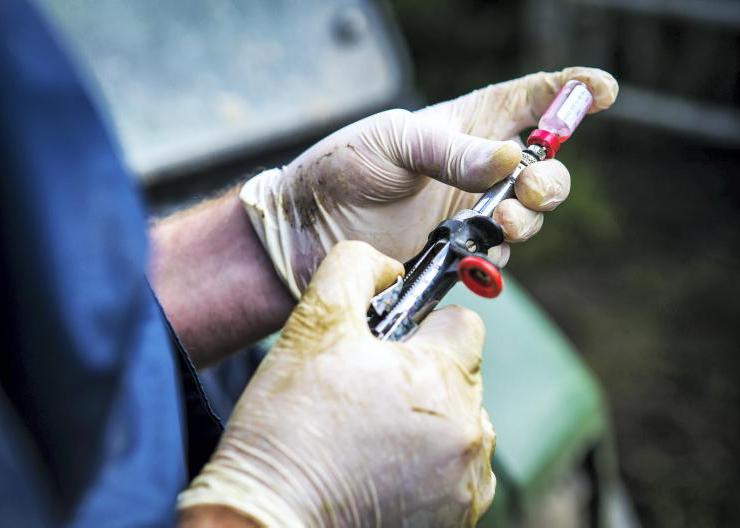
The group noted that “significant progress has been made towards a deployable cattle TB vaccine” that would be paired with a test that can the flag infected animals in vaccinated populations.
“The ambition is to deploy a cattle TB vaccine, alongside an approved detect infected among vaccinated animals test, by 2030,” it said.
Recommendations
Its recommendations state that field trials undertaken by the UK’s Animal and Plant Health Agency are due to finish this year and that these trials should “generate the scientific evidence needed for licensing and international acceptance” of the new vaccine.
It was recognised by the steering group that “international interest in this new tool is high”, but that World Organisation for Animal Health and market approval of any vaccine and the tests that can determine infection in vaccinated animals will be needed before full rollout.
The strategy recommendations say that vaccinating cattle against TB is likely to have the greatest disease control benefit when deployed in areas with high prevalence of disease.
The initial stages of vaccine adoption should focus on selected high-risk TB areas, with this first stage of adoption used to generate further evidence on the effectiveness of vaccinating cattle for TB, the group said.
“Vaccination should be made available more widely as soon as practicable on a voluntary basis for farmers who wish to use it to protect their herds.”
The group is confident that the results of trials already conducted on cattle TB vaccinations show that the tool helps reduce disease transmission between cattle.
“Used alongside testing and movement controls, it has the potential to significantly reduce the spread of bovine TB,” it maintains.
The group also recommended that economic modelling be carried out on the impact of vaccinating cattle.



SHARING OPTIONS