In January 2018, there have been three separate findings in England of Highly Pathogenic Avian Influenza (HPAI) H5N6 in wild birds in Dorset, Warwickshire and Hertfordshire.
ADVERTISEMENT
A veterinary risk assessment for England and Wales shows that risk of disease being found in wild birds has increased from medium to high.
As a result, the risk of direct and indirect transmission to commercial poultry has also increased from low to medium.
This means that experts believe infection of commercial flocks is possible this winter season.
The risk to poultry, however, is dependent on the level of biosecurity at individual sites.
Precautions
Welsh poultry keepers must now:
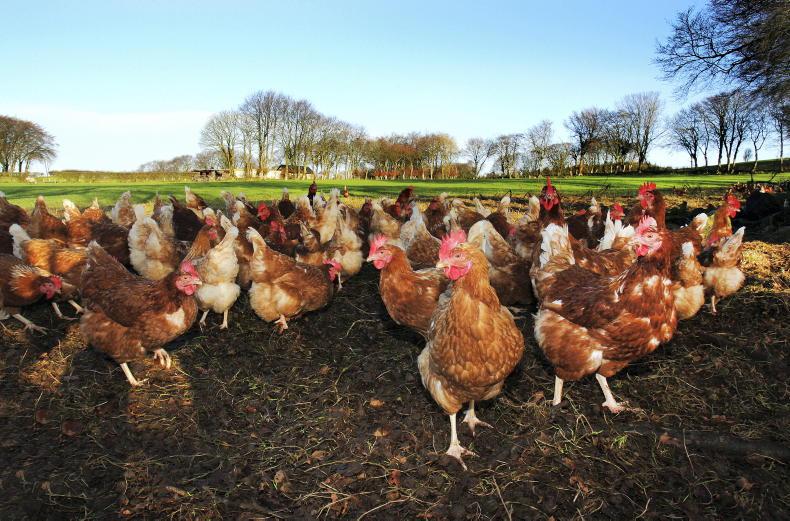
Ensure the areas where birds are kept are not attractive to wild birds, for example, by netting ponds and by removing access to food sources.
Keep birds separate to and without access to areas where especially geese, ducks and gulls are present.
Feed and water birds in enclosed areas to discourage wild birds.
Minimise movement of people in and out of bird enclosures
Clean and disinfect footwear and keep areas where birds live clean and tidy.
Reduce any existing contamination by cleansing and disinfecting concrete areas.
Keepers with more than 500 birds will also be required to take some extra biosecurity measures, including restricting access to non-essential people, changing clothing and footwear before entering bird enclosures and cleaning and disinfecting vehicles.
This content is available to digital subscribers and loyalty code users only. Sign in to your account, use the code or subscribe to get unlimited access.
The reader loyalty code gives you full access to the site from when you enter it until the following Wednesday at 9pm. Find your unique code on the back page of Irish Country Living every week.
CODE ACCEPTED
You have full access to the site until next Wednesday at 9pm.
CODE NOT VALID
Please try again or contact support.
The Welsh Government has declared an all-Wales Avian Influenza Prevention Zone.
In January 2018, there have been three separate findings in England of Highly Pathogenic Avian Influenza (HPAI) H5N6 in wild birds in Dorset, Warwickshire and Hertfordshire.
A veterinary risk assessment for England and Wales shows that risk of disease being found in wild birds has increased from medium to high.
As a result, the risk of direct and indirect transmission to commercial poultry has also increased from low to medium.
This means that experts believe infection of commercial flocks is possible this winter season.
The risk to poultry, however, is dependent on the level of biosecurity at individual sites.
Precautions
Welsh poultry keepers must now:
Ensure the areas where birds are kept are not attractive to wild birds, for example, by netting ponds and by removing access to food sources.
Keep birds separate to and without access to areas where especially geese, ducks and gulls are present.
Feed and water birds in enclosed areas to discourage wild birds.
Minimise movement of people in and out of bird enclosures
Clean and disinfect footwear and keep areas where birds live clean and tidy.
Reduce any existing contamination by cleansing and disinfecting concrete areas.
Keepers with more than 500 birds will also be required to take some extra biosecurity measures, including restricting access to non-essential people, changing clothing and footwear before entering bird enclosures and cleaning and disinfecting vehicles.
If you would like to speak to a member of our team, please call us on 01-4199525.
Link sent to your email address
We have sent an email to your address. Please click on the link in this email to reset your password. If you can't find it in your inbox, please check your spam folder. If you can't find the email, please call us on 01-4199525.
ENTER YOUR LOYALTY CODE:
The reader loyalty code gives you full access to the site from when you enter it until the following Wednesday at 9pm. Find your unique code on the back page of Irish Country Living every week.
SHARING OPTIONS