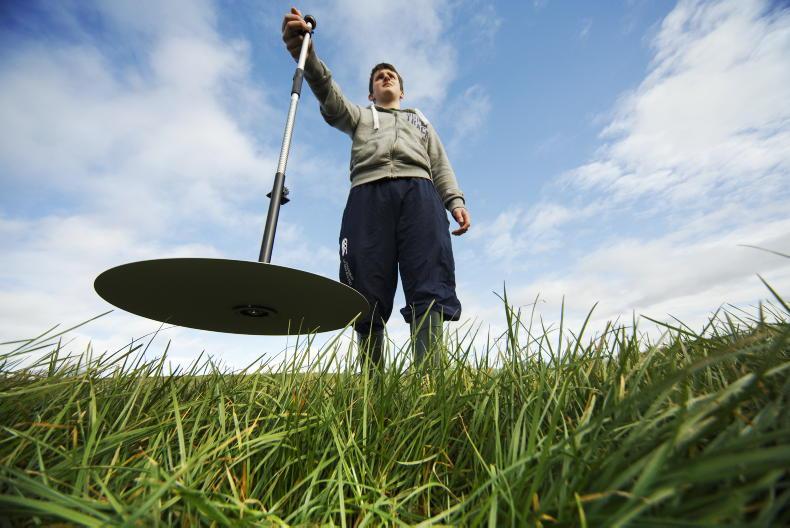
Grass: The grass situation has changed a lot in the space of a week, with growing soil moisture deficits now spreading out across almost all of the south and east.
With little rain in the forecast, it’s likely that these moisture deficits will grow.
We are already seeing a big impact on grass growth, with growth rates on affected farms going from highs of around 70kg/day to lows of 30kg/day in the space of a few days. On one hand this dry spell is coming at a bad time as farmers should now be building up covers for the autumn.
On the other hand, it’s not a bad time as daylight hours are decreasing and the same drying effect that was there in mid-summer has now eased. That’s not much comfort to farmers who are feeding a lot of supplement now, but it does hopefully mean that whenever it does rain it will have a more meaningful effect as evapotranspiration is not as high.
At this stage in the season the talk should all be about building up grass covers for the autumn. That can only happen where growth is higher than demand which is the case in about half of the country. On the half affected by low growth rates, supplement will need to be fed to maintain a 25 to 30 rotation length.
That means allocating one twenty-fifth of the farm area per day, working out how much grass is in that area and filling the deficit with supplement such as meal, palm kernel or silage. Now is the time to fill out the autumn and spring grass budget on PastureBase.
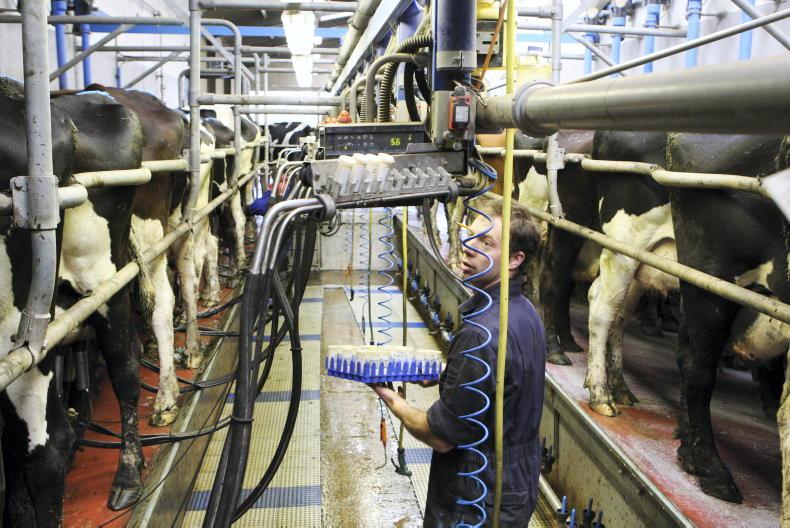
Mastitis: Many farmers are reporting increased incidence of mastitis this summer. Looking at the milk recording figures for this week versus the same week last year, the percentage of herds under 200,000 cells/ml is 53%, whereas it was 60% this time last year. The main steps in solving a high cell count problem are as follows:
Pre-strip all cows to identify any clots.Take a sample from an infected quarter and treat with antibiotics. Get sample tested to identify the type of mastitis. This can help to determine the type of dry cow tube to use this winter.Milk record the herd to identify high cell count cows. Identify the problem with these cows and sort through a combination of treatment, drying off quarters and culling. Get the milking machine tested to ensure it’s operating properly. With high prices for cull cows, selling high SCC cows could be the most profitable route to solving an SCC problem this autumn.
Fertiliser: There is about one month left in the fertiliser spreading season. On these dry farms there will be a big release of nitrogen after the rain comes in any event. It’s important not to exceed the nitrogen allowance so work out how much nitrogen allowance remains for the rest of the year. If looking at the fertiliser database to work out how much has been used, make sure all purchases have been uploaded to the database. All ordinary urea must be spread this season.
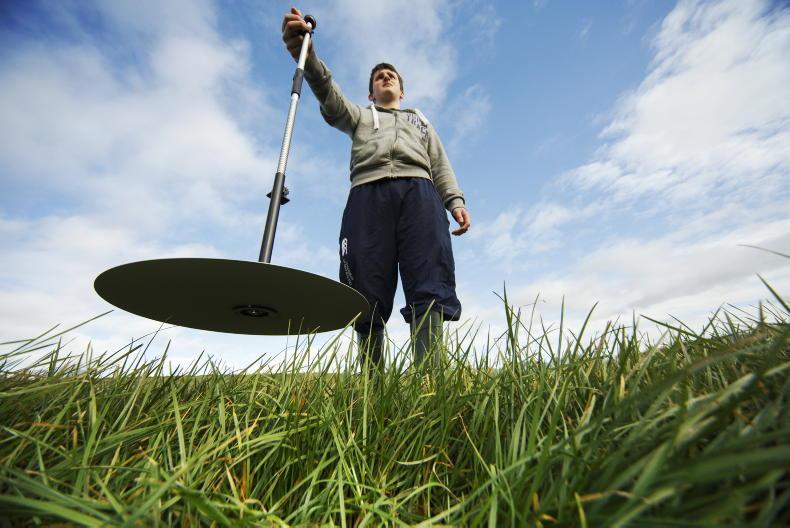
Grass: The grass situation has changed a lot in the space of a week, with growing soil moisture deficits now spreading out across almost all of the south and east.
With little rain in the forecast, it’s likely that these moisture deficits will grow.
We are already seeing a big impact on grass growth, with growth rates on affected farms going from highs of around 70kg/day to lows of 30kg/day in the space of a few days. On one hand this dry spell is coming at a bad time as farmers should now be building up covers for the autumn.
On the other hand, it’s not a bad time as daylight hours are decreasing and the same drying effect that was there in mid-summer has now eased. That’s not much comfort to farmers who are feeding a lot of supplement now, but it does hopefully mean that whenever it does rain it will have a more meaningful effect as evapotranspiration is not as high.
At this stage in the season the talk should all be about building up grass covers for the autumn. That can only happen where growth is higher than demand which is the case in about half of the country. On the half affected by low growth rates, supplement will need to be fed to maintain a 25 to 30 rotation length.
That means allocating one twenty-fifth of the farm area per day, working out how much grass is in that area and filling the deficit with supplement such as meal, palm kernel or silage. Now is the time to fill out the autumn and spring grass budget on PastureBase.
Mastitis: Many farmers are reporting increased incidence of mastitis this summer. Looking at the milk recording figures for this week versus the same week last year, the percentage of herds under 200,000 cells/ml is 53%, whereas it was 60% this time last year. The main steps in solving a high cell count problem are as follows:
Pre-strip all cows to identify any clots.Take a sample from an infected quarter and treat with antibiotics. Get sample tested to identify the type of mastitis. This can help to determine the type of dry cow tube to use this winter.Milk record the herd to identify high cell count cows. Identify the problem with these cows and sort through a combination of treatment, drying off quarters and culling. Get the milking machine tested to ensure it’s operating properly. With high prices for cull cows, selling high SCC cows could be the most profitable route to solving an SCC problem this autumn.
Fertiliser: There is about one month left in the fertiliser spreading season. On these dry farms there will be a big release of nitrogen after the rain comes in any event. It’s important not to exceed the nitrogen allowance so work out how much nitrogen allowance remains for the rest of the year. If looking at the fertiliser database to work out how much has been used, make sure all purchases have been uploaded to the database. All ordinary urea must be spread this season.







SHARING OPTIONS