Most weather forecasts are predicting rain by next weekend. How much and where it falls remains to be seen, but at least there is a good chance of rain as up to a few days ago, forecasters were talking of a long, dry spell to come.
While positive, it’s a bit away yet and the forecast is likely to change a bit in the meantime. Many farmers are now feeding extra supplement in order to hold rotation length.
The advice remains the same – let average farm cover drop to 400 to 500kg/ha before going in with extra feed.
Otherwise, grass that is already stressed will deteriorate in yield and quality over the coming weeks. It’s better to graze this off now when quality is reasonable and then go in with extra feed.
Feeding silage
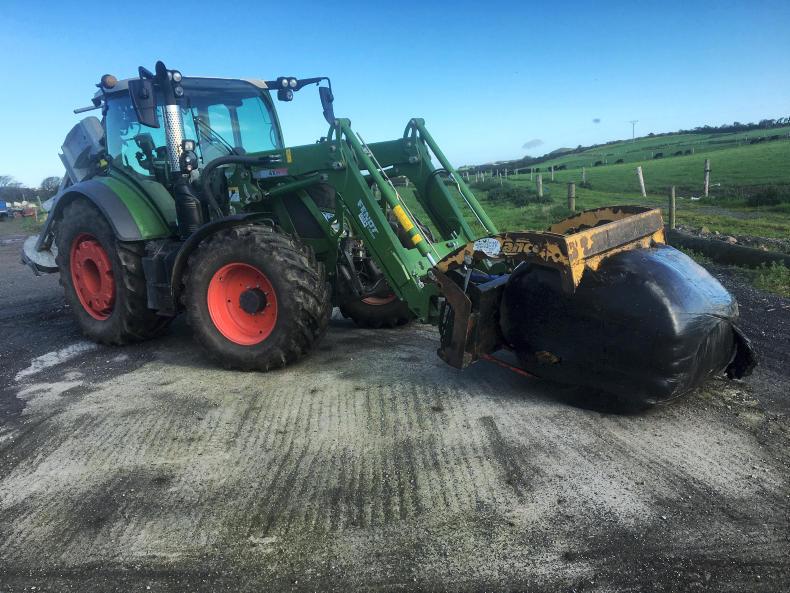
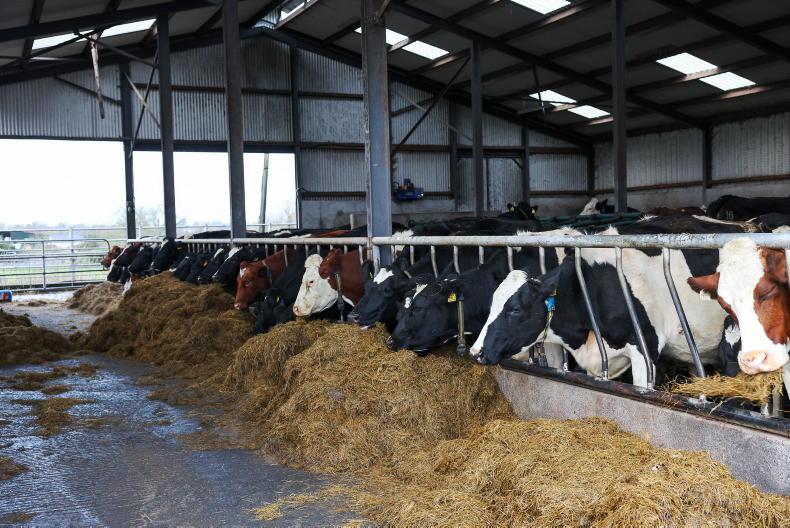
If feeding silage, it’s important to know how much you are feeding. If feeding round bales, weigh a few to get an idea of the average bale weight. This is probably in the region of 800kg to 1,000kg fresh weight.
Dry matter will vary depending on the type of grass and how dry it was at baling. Generally, bale silage is usually around 20% to 30% dry matter. So if a bale weighs 900kg at 25% dry matter the total amount of feed in the bale is 225kg dry matter.
Density of pit silage varies depending on how tightly packed it is, the chop type, pit height, etc. Generally, it is somewhere in the region of 800kg of silage per 1 cubic meter of silage.
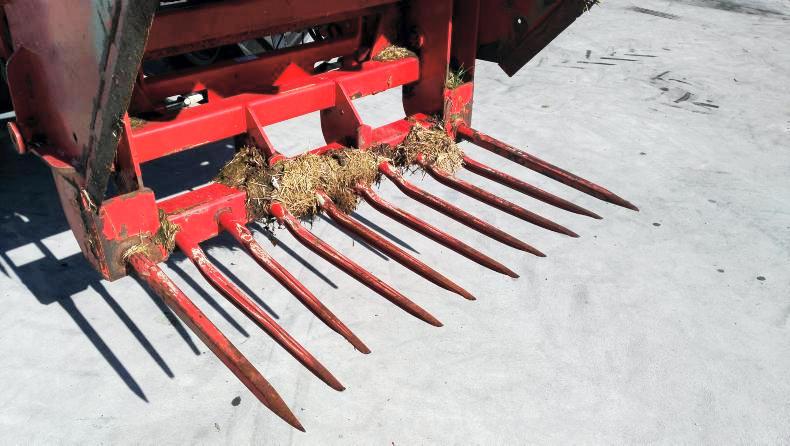
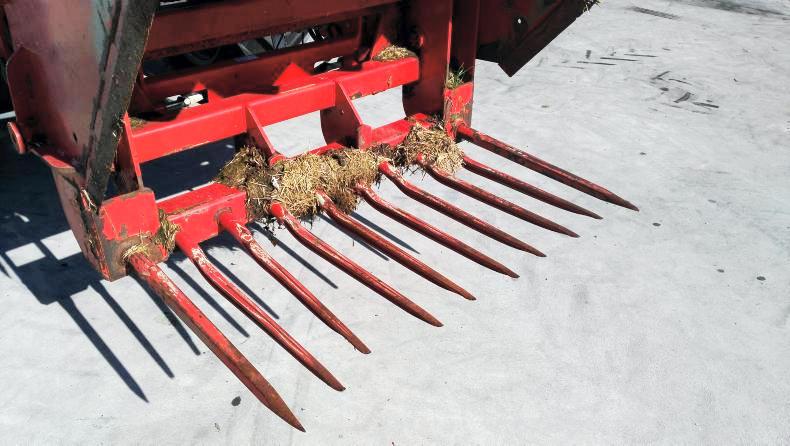
Multiply this by the dry matter to get the amount of dry matter feed in a cubic meter. For reference, a five foot shear grab measures approximately 1.1 cubic meters which is 880kg of silage. At 22% dry matter would mean there is 193kg dry matter in the grab.
Some people will weigh a grab of silage to get an accurate idea of how much feed is in it.
Automatic meal feeders
Similarly, automatic meal feeders should be tested to make sure they are feeding out the required amount. An AFBI study in Northern Ireland found huge variation in the amount of meal being dispensed between feeders in a study of farms across Ulster.
Feeders should always be re-calibrated when the type of ration changes.
Read more
Dairy management: grass deficits, calf health and letting off bulls
Glanbia April milk price biodiversity bonus reaction
Most weather forecasts are predicting rain by next weekend. How much and where it falls remains to be seen, but at least there is a good chance of rain as up to a few days ago, forecasters were talking of a long, dry spell to come.
While positive, it’s a bit away yet and the forecast is likely to change a bit in the meantime. Many farmers are now feeding extra supplement in order to hold rotation length.
The advice remains the same – let average farm cover drop to 400 to 500kg/ha before going in with extra feed.
Otherwise, grass that is already stressed will deteriorate in yield and quality over the coming weeks. It’s better to graze this off now when quality is reasonable and then go in with extra feed.
Feeding silage
If feeding silage, it’s important to know how much you are feeding. If feeding round bales, weigh a few to get an idea of the average bale weight. This is probably in the region of 800kg to 1,000kg fresh weight.
Dry matter will vary depending on the type of grass and how dry it was at baling. Generally, bale silage is usually around 20% to 30% dry matter. So if a bale weighs 900kg at 25% dry matter the total amount of feed in the bale is 225kg dry matter.
Density of pit silage varies depending on how tightly packed it is, the chop type, pit height, etc. Generally, it is somewhere in the region of 800kg of silage per 1 cubic meter of silage.
Multiply this by the dry matter to get the amount of dry matter feed in a cubic meter. For reference, a five foot shear grab measures approximately 1.1 cubic meters which is 880kg of silage. At 22% dry matter would mean there is 193kg dry matter in the grab.
Some people will weigh a grab of silage to get an accurate idea of how much feed is in it.
Automatic meal feeders
Similarly, automatic meal feeders should be tested to make sure they are feeding out the required amount. An AFBI study in Northern Ireland found huge variation in the amount of meal being dispensed between feeders in a study of farms across Ulster.
Feeders should always be re-calibrated when the type of ration changes.
Read more
Dairy management: grass deficits, calf health and letting off bulls
Glanbia April milk price biodiversity bonus reaction






SHARING OPTIONS