



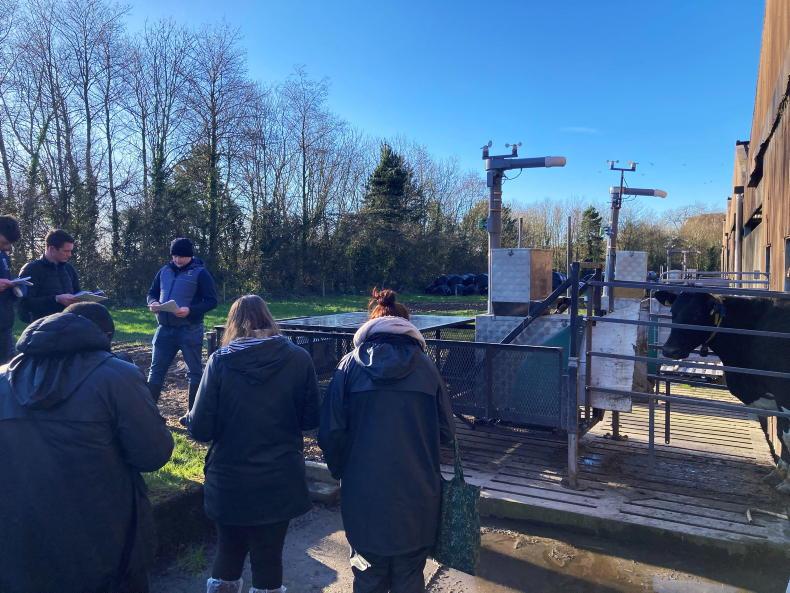
On what was a damp June day in the Sunny South East, big crowds descended on Teagasc’s Johnstown Castle farm to hear the latest research and innovations in relation to soil health and water quality.
The day had something for everyone from livestock and tillage farmers to biodiversity and agroforestry enthusiasts.
The need to build more resilient and competitive farms across all of the sectors was the fundamental message, with close to 100 stands offering a range of solutions and opportunities to visitors.
Despite all the latest research and technological advancements on show, it was one of the old timers of soil health that remained king.
Lime
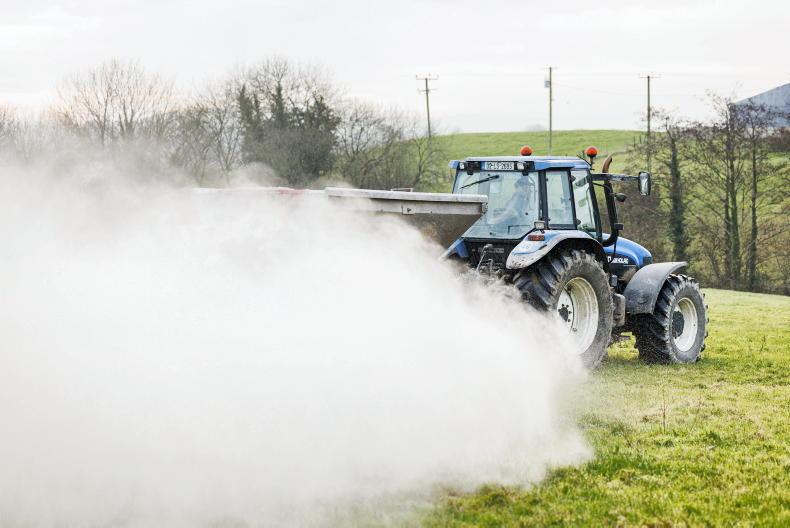
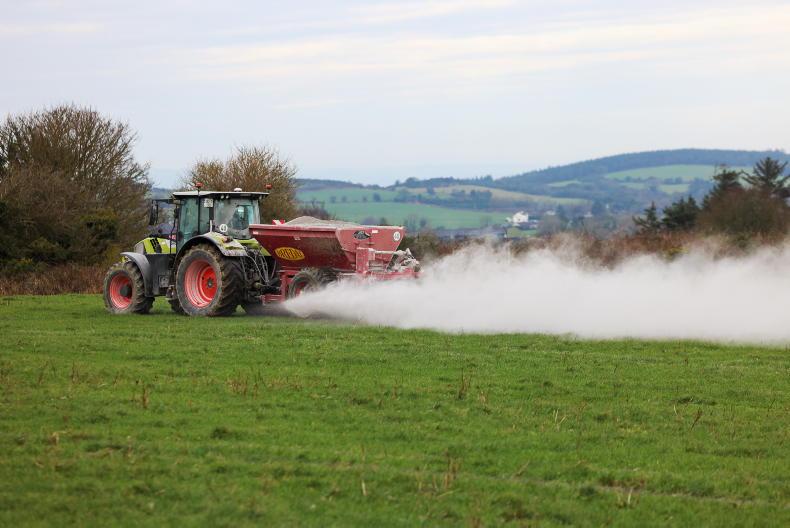
Lime, which is sometimes the forgotten fertiliser, still offers benefits that are hard to find elsewhere.
According to Teagasc’s John Maher, Ireland as a country is currently spreading about one million tonnes of lime annually.
“This is just over half the amount of lime we should be spreading. To really improve our soil fertility and ensure we’re utilising nutrients effectively rather than losing them, we need to be spreading at least 1.75m tonnes annually across the country,” Maher said.
All farms need to be soil testing according to Maher; this is the starting point. Soil sampling helps farmers understand what's needed and where.
Six in 10 drystock farms nationally need lime at this moment in time. For both tillage and dairy farms, this number is four in every 10 farms, he added.
“By correcting soil pH through lime spreading, farms can release 56 units/acre of nitrogen per year and improve soil phosphorous supply by a full index,” Maher said.
Combined, this represents a cost saving of approximately €590/ha at the current fertiliser price.
Grass production will also improve, with research showing an increase in growth of up to 2.5t of dry matter per hectare.
As important as the improved production and cost saving, liming soils will ultimately improve water quality and reduce the carbon footprint of agriculture, by ensuring fertilisers applied are utilised effectively and not lost to the environment.
Slurry spread using LESS, performed equally as well as the top nitrogen chemical fertilisers in terms of yield, with a greater economic benefit than all of the fertilisers
Lime can be spread now on farms and where paddocks have just been grazed, it's an opportunity to get 2t/ac of lime out.
The cost is roughly €70/acre, but the value of that lime will be there in the soil for at least five years. In other words, it's an investment of just €14/acre each year.
Nitrogen sources
Another stand that garnered a lot of attention on the day was a comparison between different nitrogen fertiliser sources.
Different plots of grass were grown using one of either CAN, urea, protected urea, liquid nitrogen and protected urea with a nitrification inhibitor fertiliser.
The visual study showed no difference in yield between either CAN, urea or protected urea.
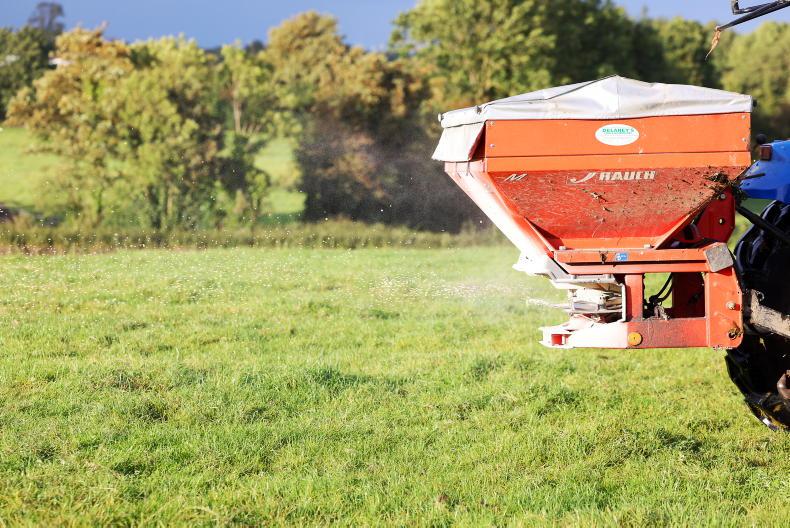
This aligns with previous research and highlights the benefits of using protected urea from an environmental point of view as greenhouse gas and ammonia emissions are significantly lower when using protected urea.
The economic benefit of the three was similar with CAN slightly higher at €1.95/kg v €1.85/kg for protected urea. Straight urea had the lowest economic benefit at €1.74/kg.
Protected urea with a nitrification inhibitor was a standout performer with the same yield as the other three plots and an improved economic benefit on both protected urea and straight urea and the same economic benefit as CAN.
The liquid nitrogen plot which had the highest potential economic benefit at €2/kg, had proved disappointing as the grass yield was lower than the other plots.
Slurry spread using LESS, performed equally as well as the top nitrogen chemical fertilisers in terms of yield with a greater economic benefit than all of the fertilisers.
There will be more from the Johnstown Castle open day over the coming week at www.farmersjournal.ie, or on the IFJ app.


SHARING OPTIONS