



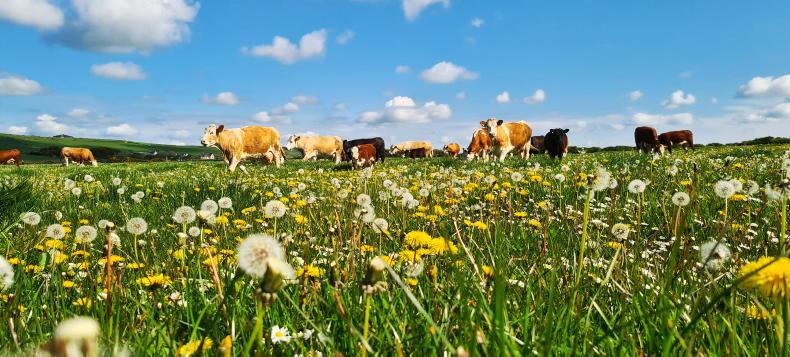
There are a number of simple steps farmers can take to enhance biodiversity on their farm without making any drastic or costly changes, according to research from Teagasc.
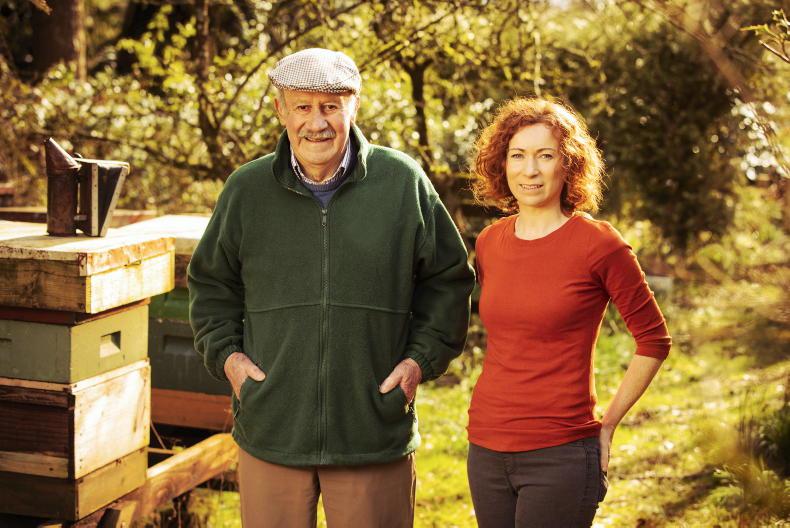
Speaking to the Irish Farmers Journal, at the 'Farming for a Better Future' open day at Teagasc Johnstown Castle on 10 June, project manager Meritxell Grau went through some easy wins for farmers to encourage biodiversity.
Despite the many benefits of biodiversity, it continues to decline and will have far-reaching consequences for future generations, according to Teagasc.
Farmland has the ability to make a significant difference in halting biodiversity loss.
The key message from Teagasc’s farmland biodiversity research is to, maintain first, enhance second and create if not already in existence.
Recommendations
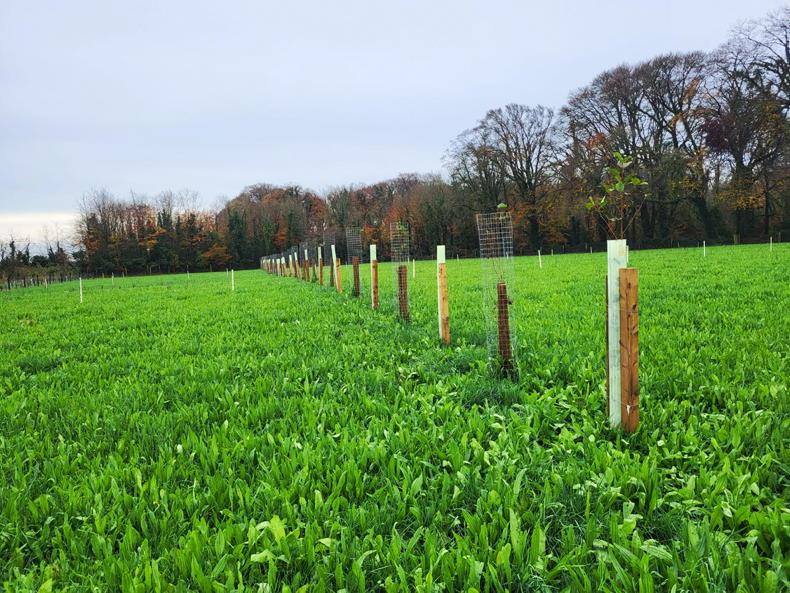
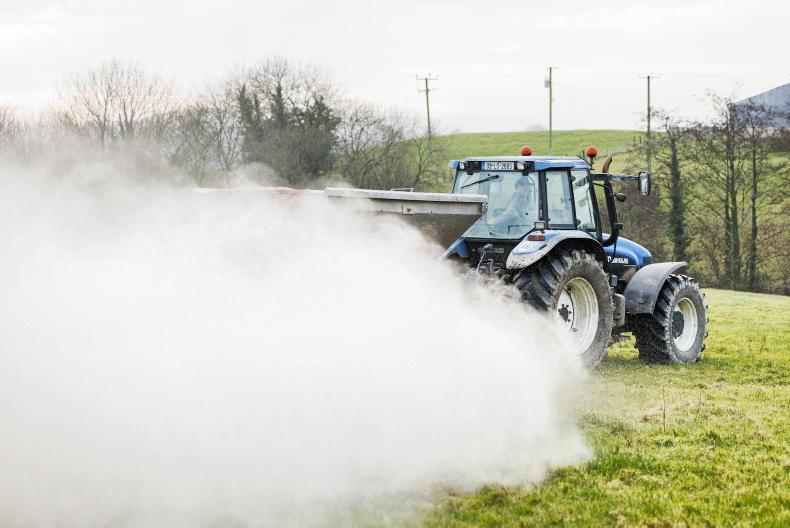
It outlined six simple ways to improve biodiversity on the farm:
FarmBioNet project
"All of these practices we have also come across through our project, FarmBioNet," Grau explained.
The project aims to help farmers assess their farm’s biodiversity and implement low-cost, practical actions to enhance biodiversity without negatively impacting production.
"It is an EU-funded project, running for three years and what we're trying to do is promote knowledge sharing and knowledge transfer across farmers and other stakeholders within Ireland, but also at the European stage.
"So we're just bringing all of them together to try and discuss what practices they're implementing and how they are seeing how they are benefiting their farm," she said.



SHARING OPTIONS