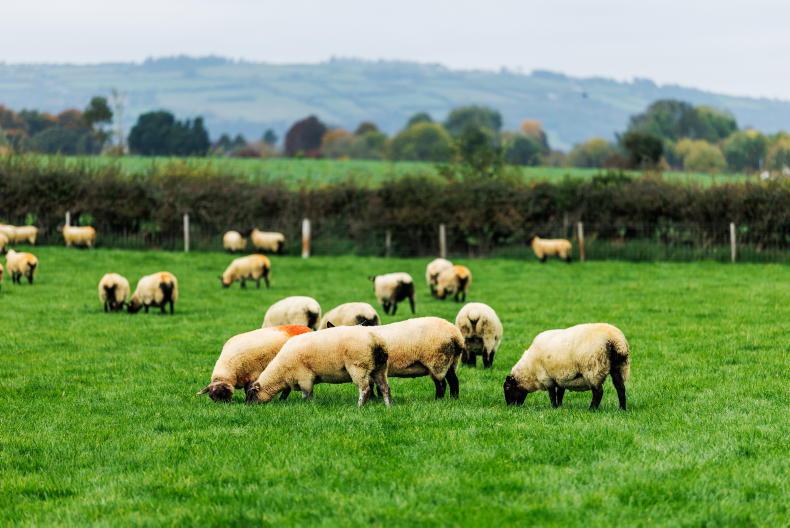
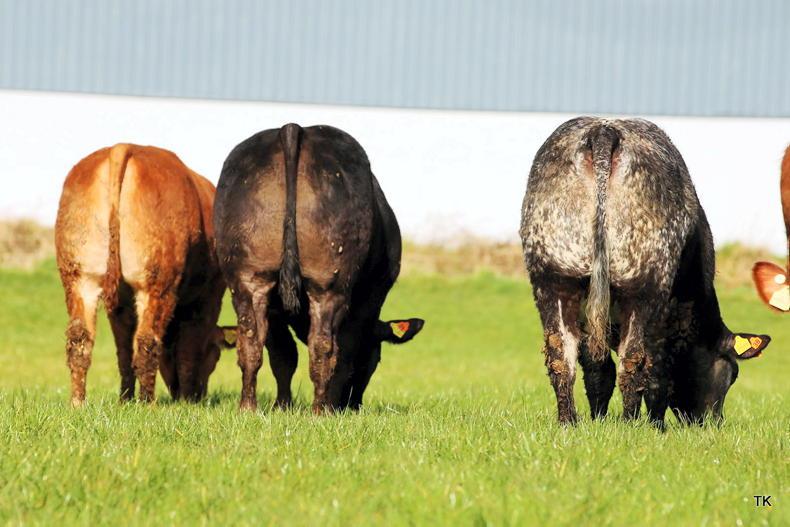
The Department of Agriculture has ramped up the testing of cattle and sheep for bluetongue following a positive case in Northern Ireland.
“My Department is undertaking extensive measures to stop the spread of bluetongue virus (BTV) into Ireland,” Minister for Agriculture Martin Heydon said.
“This includes implementing additional targeted and risk-based BTV surveillance. On-farm surveillance blood sampling of cattle and sheep, testing of livestock submitted to regional veterinary laboratories and sampling of cattle routinely slaughtered at meat plants are all being ramped up,” he said.
He said his Department also continues to co-ordinate with Northern Ireland’s Department of Agriculture, Environment and Rural Affairs in combating the mutual threat.
Movements
Movement of BTV-susceptible animals (cattle, sheep, goats, etc) from Northern Ireland to Ireland is no longer permitted for breeding and production.
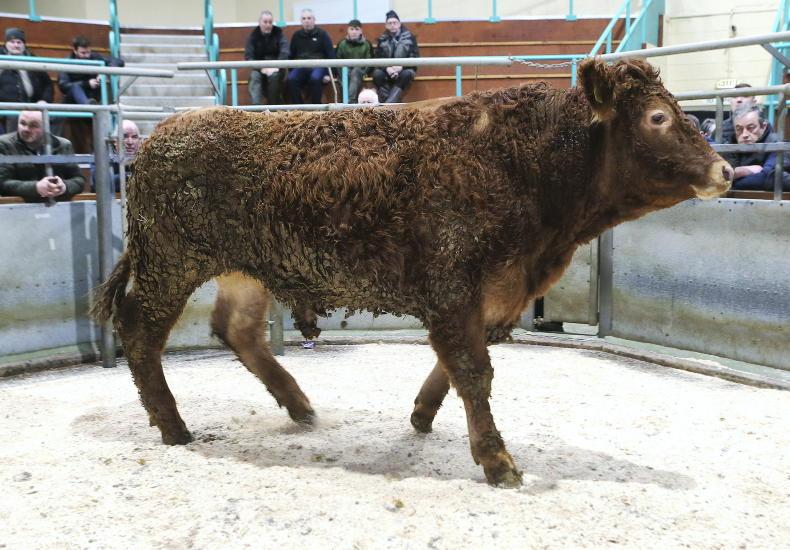
“Movements of cattle and sheep directly to slaughter from Northern Ireland to Ireland are currently permitted only where such movements are accompanied by veterinary health certification, are direct and non-stop to the slaughter plant and are pre-notified to my Department,” the Minister said in response to a parliamentary question from Sinn Féin TD Martin Kenny.
He added that the Department is closely examining the potential role for BTV vaccines to help protect Irish livestock when the higher risk disease transmission period begins in late spring and early summer.
“My Department is also actively engaging with BTV vaccine companies,” he said.
Compensation
The Minister also confirmed that compensation will be available to farmers who have to cull cattle in the event of an outbreak in Ireland.
“The Animal Health and Welfare Act 2013 provides that compensation to owners of animals may be payable if a cull of those animals is directed by my Department in the event of an outbreak in that herd or flock of certain diseases, including bluetongue virus.
“Compensation at the open market rate is payable for any cattle, sheep or goats which are culled on the order of my Department. Infected animals would be culled, but this does not mean the whole herd or flock; it is likely that only a small number of animals per infected herd or flock would need to be culled, based on the experience of other countries,” he said.
Read more
Bluetongue restrictions on NI mart to be relaxed
Farm Tech Talk: live from the RUAS Winter Fair
Bluetongue cases suspected on third farm in Northern Ireland
The Department of Agriculture has ramped up the testing of cattle and sheep for bluetongue following a positive case in Northern Ireland.
“My Department is undertaking extensive measures to stop the spread of bluetongue virus (BTV) into Ireland,” Minister for Agriculture Martin Heydon said.
“This includes implementing additional targeted and risk-based BTV surveillance. On-farm surveillance blood sampling of cattle and sheep, testing of livestock submitted to regional veterinary laboratories and sampling of cattle routinely slaughtered at meat plants are all being ramped up,” he said.
He said his Department also continues to co-ordinate with Northern Ireland’s Department of Agriculture, Environment and Rural Affairs in combating the mutual threat.
Movements
Movement of BTV-susceptible animals (cattle, sheep, goats, etc) from Northern Ireland to Ireland is no longer permitted for breeding and production.
“Movements of cattle and sheep directly to slaughter from Northern Ireland to Ireland are currently permitted only where such movements are accompanied by veterinary health certification, are direct and non-stop to the slaughter plant and are pre-notified to my Department,” the Minister said in response to a parliamentary question from Sinn Féin TD Martin Kenny.
He added that the Department is closely examining the potential role for BTV vaccines to help protect Irish livestock when the higher risk disease transmission period begins in late spring and early summer.
“My Department is also actively engaging with BTV vaccine companies,” he said.
Compensation
The Minister also confirmed that compensation will be available to farmers who have to cull cattle in the event of an outbreak in Ireland.
“The Animal Health and Welfare Act 2013 provides that compensation to owners of animals may be payable if a cull of those animals is directed by my Department in the event of an outbreak in that herd or flock of certain diseases, including bluetongue virus.
“Compensation at the open market rate is payable for any cattle, sheep or goats which are culled on the order of my Department. Infected animals would be culled, but this does not mean the whole herd or flock; it is likely that only a small number of animals per infected herd or flock would need to be culled, based on the experience of other countries,” he said.
Read more
Bluetongue restrictions on NI mart to be relaxed
Farm Tech Talk: live from the RUAS Winter Fair
Bluetongue cases suspected on third farm in Northern Ireland





SHARING OPTIONS