



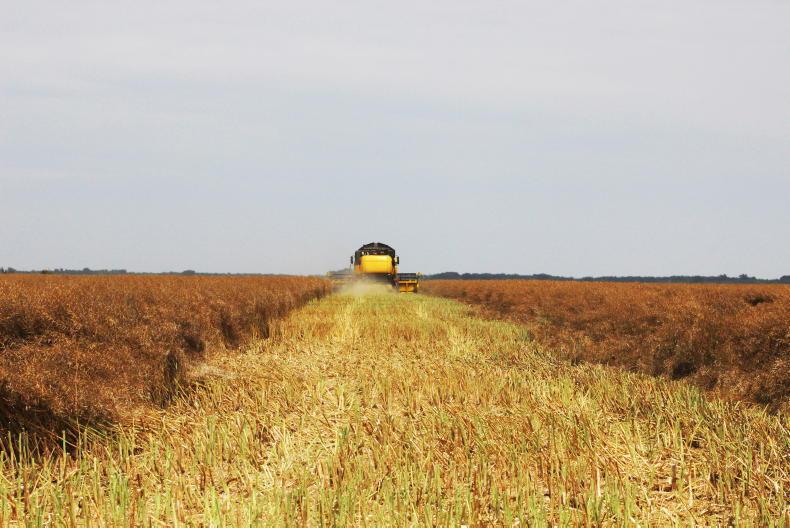
Farmer tensions are rising along the EU’s border with Ukraine where farmers are facing immense market competition with Ukrainian grain transported into the EU by road.
Ukrainian grain has had access to EU markets tariff-free and without quotas since June 2022 when ‘Solidarity Lanes’ were opened to improve the flow of cereals from grain stores there.
Shipping to global markets via the Black Sea had previously been the main route taken by grain leaving Ukraine, but a Russian blockade of the region stopped shipments last year.
The lanes allow for grain to be transported quicker by road with slimmed down border checks and more funding for roads.
In February 2023, the European Commission proposed extending these allowances for another year out to June 2024.
Concerns growing
The Commission maintains that farmers’ concerns can be taken on board and the agreement suspended if there are significant impacts on the EU grain market.
However, farmers in some of the countries impacted have taken to the streets seeking further funding and a tightening of the standards Ukraine grain meet to enter the EU.
Farming organisations say that Ukrainian grain should not have unrestricted access to EU markets, given that it is not farmed to the same regulatory standards.
They are calling for more checks to be carried out on Ukrainian imports and for higher standards to be sought from any merchants seeking to drive grain into the EU.
Farmers saw prices drop as much as 20% in some EU-Ukraine border regions after the Solidarity Lanes opened and have sought compesation for these price cuts.
Over €50m in aid
To help compensate tillage farmers for the volumes of grain entering the market in member states, the Commission has proposed mobilising €56.4m of agricultural reserve (known in the previous CAP as the crisis reserve) to support farmers.
Only farmers in Poland, Romania and Bulgaria – all of which share a land border with Ukraine - are eligible to apply.
These states can add a combined €56.4m from national funds to beef up any tillage farmer compensation schemes ran.
There is only €450m in the agricultural reserve to fund farmers in emergency situations this year, but no funds have yet been made available to Ireland in 2023.
2022’s crisis funding was split between all member states to help farmers cope with rising input costs but, as fertiliser and energy prices have dropped on the continent since, the Commission may be less likely to do the same again.




SHARING OPTIONS