



I always thought that the Wexford tillage farmers were a pretty tough bunch. The sort of guys who’d eat half a dozen raw eggs and a pound of hairy bacon washed down with a few bottles of Magners straight from the neck – and that’s just for breakfast. Then they’d light up a Major and go a-tilling in dust for the day. Bathroom visits? Maybe once a week.
But it appears I’m totally wrong.
They’re not like that at all – they’re softies. Breakfast is more likely a low-fat muesli, a light Greek yoghurt and a flat white with a napkin to wipe their mouth on after finishing. They might even use deodorant and wear clean John Deere overalls. They probably even wash their hands after going to the loo.
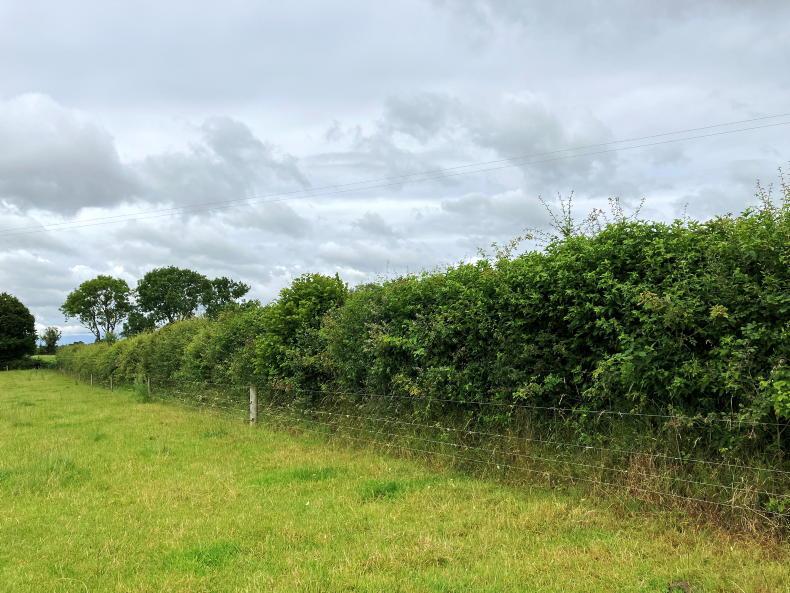
So what’s got me thinking this way? Well, I’ll tell you. A couple of weeks ago I had reason to drive down to Camolin in Wexford. It’s prime tillage country. Close to the town, there were three or four large ploughed fields together. Beside a hedge and well down from the road was a port-a-loo.
Yes, I couldn’t believe it, a port-a-loo, in the fields. It’s not as if there were no hedges or bushes. They clearly weren’t adequate – or maybe it was that you could risk getting a jag in the behind while reversing up.
Now, if they were Clare men, it’d be different. There’s no cover on the Burren. It’d be downright dangerous to go alfresco over there. But you should be quite safe around Camolin.
Spraying time
Anyhow, never mind the Wexford men; what’s happening on the plains of Meath?
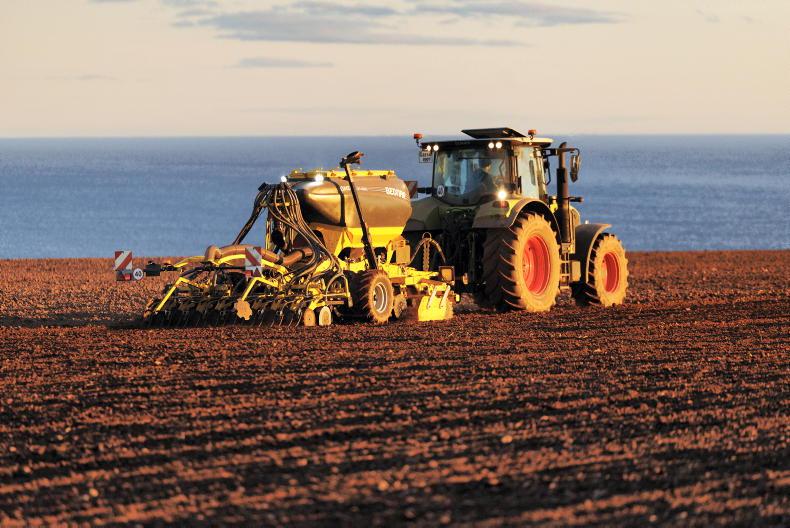
With the full sun and a strong easterly wind working their magic, the spring barley (Skyway) was sown on 21 April in a dust storm into ploughed seedbeds. But it was raining by the next day, so unfortunately rolling didn’t happen.
Min-till spring barley hasn’t worked consistently well for us, and the ploughed fields got a proper old-school tilling with the Fantom tines and the Unipress. The Sprinter followed, but we’ve ditched the standard Duett coulters in favour of Borgault VOS ones, which I think could be a huge improvement. But I’ll reserve judgement until the barley’s up.
Then it was off to darn in oat seed into bare patches in spring oats sown at the end of February. The Borgault openers were useful for this, as it was straight in with no tilling. Patching is not ideal, as the field will remain in two different growth stages to harvest, with – by then – probably a week between the two oat crops in the one field. Patience will be required, but I don’t do patience well. When I have to go, I have to go.
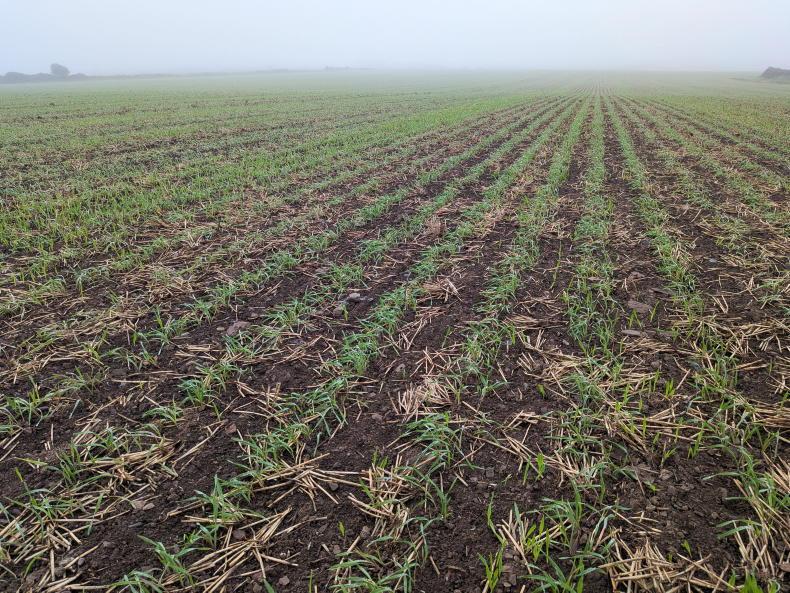
I’m not hugely happy with how the winter crops are looking. The past seven weeks of wet and cold weather have taken their toll. Spray damage is prevalent and the wheat is not a uniform green colour, as it should be at the end of April. Ironically the winter barley looks better, but it’s not particularly thick and the dye is probably cast for its yield potential. We can only hope that we get some decent warm and sunny weather soon. It’s very different to last year.
With fertilising the winter crops largely finished, it’s full-on spraying time now.
Winter barley and wheat are due their proper T1 fungicides now, which on the wheat will be Alonty and Folpet at a decent rate. There’s too much disease pressure to contemplate reduced rates.
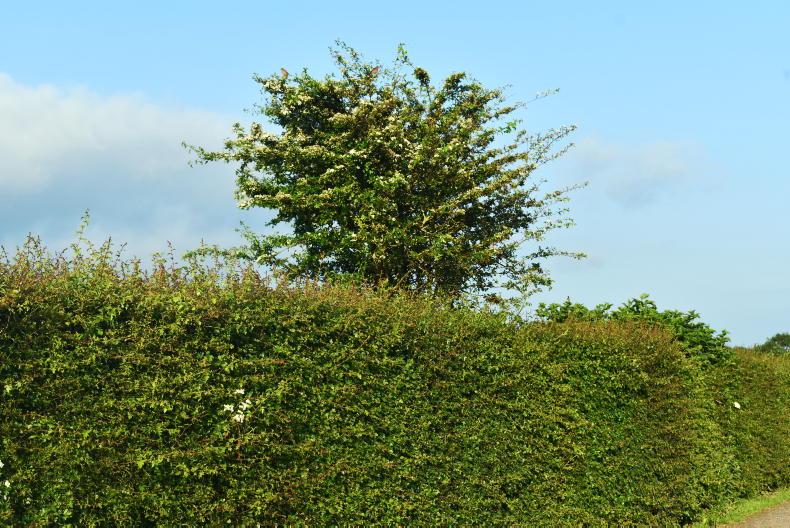
Finally, the oilseed rape is in full flower and due its final fungicide soon. There’s mighty cover in it now, but a fellow would be fierce vulnerable in the bare oats for a long time yet.


SHARING OPTIONS