Agriculture is responsible for 6.9% of total UK greenhouse gas emissions, which is the third lowest across the nine sectors outlined by the UK government.
The BBC was criticised for failing to compare agriculture’s greenhouse gas emissions with other sectors in the UK economy. \ Philip Doyle.
ADVERTISEMENT
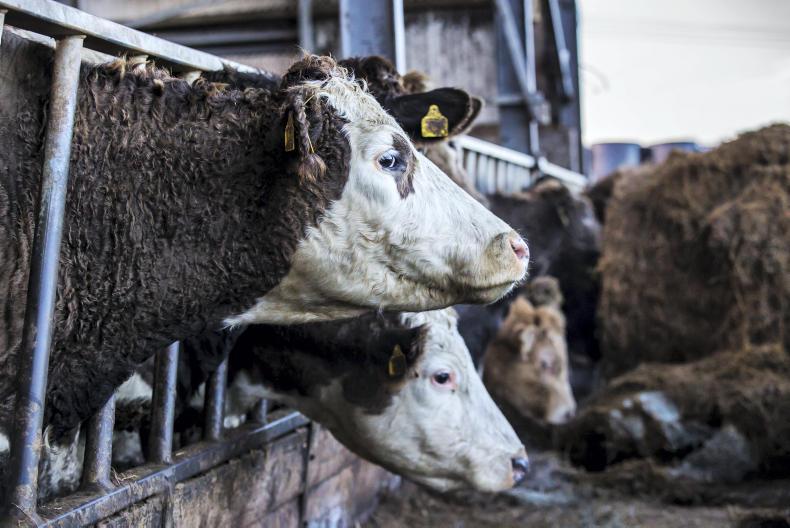
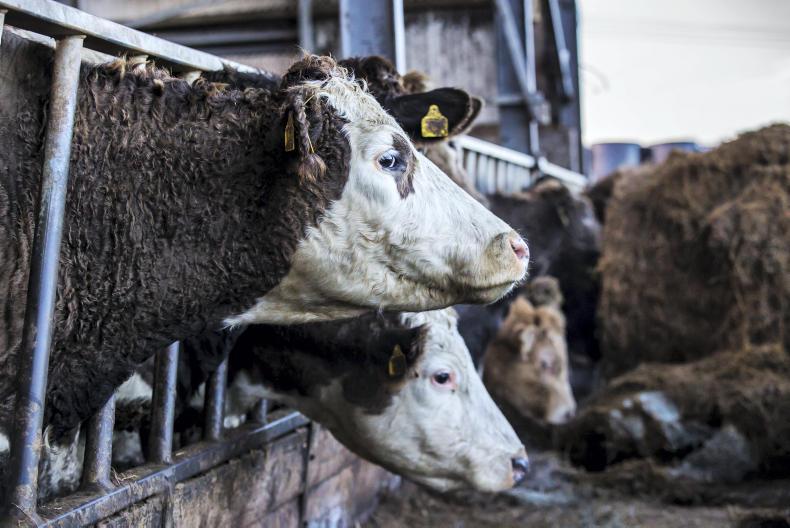
Ongoing reports in the national media that are effectively encouraging consumers to eat less dairy and red meat products to reduce greenhouse gas emissions, have drawn criticism from livestock farmers.
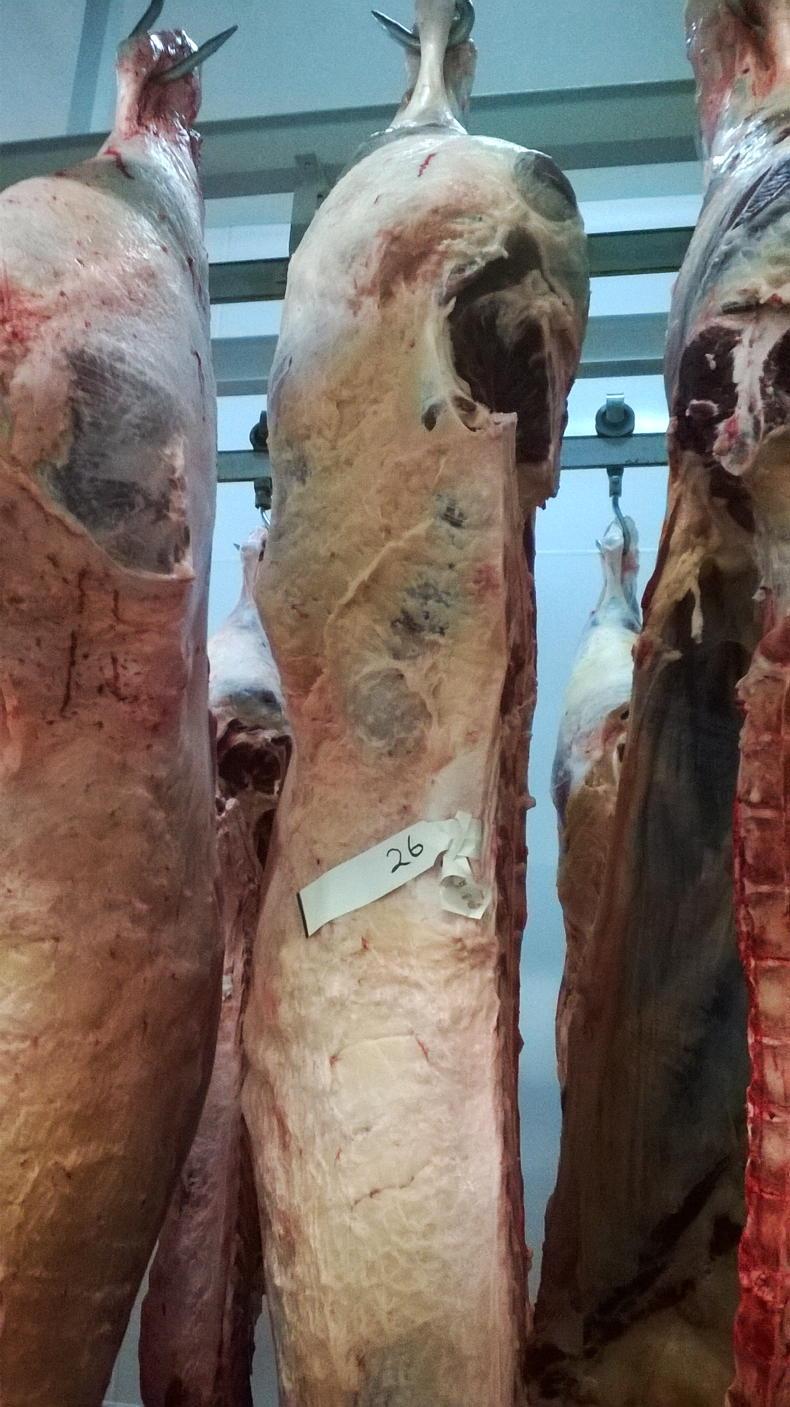
The National Beef Association (NBA) submitted a complaint to the BBC following a report broadcast last week, which stated that consumers should eat more locally grown fruit and vegetables and less beef to offset global warming.
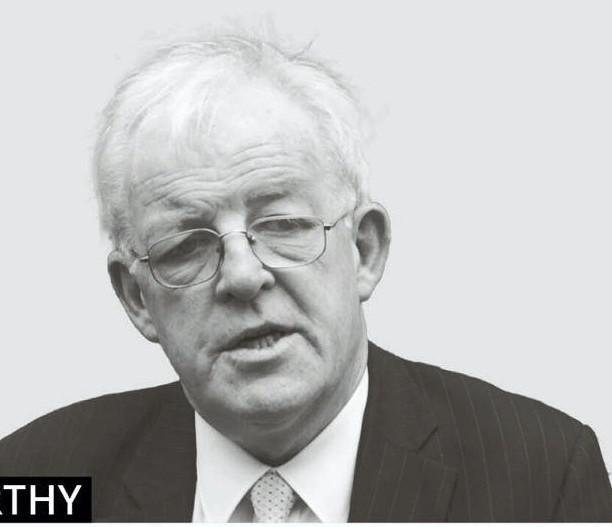
“In times where consumers are so heavily influenced by social media and the press, we must ensure that they have access to the full story and not just a narrow view of livestock production,” a statement in the NBA’s newsletter read.
ADVERTISEMENT
The NBA took issue with the fact that the BBC report did not state that productive and fertile grassland absorbs carbon from the atmosphere and reduces the global warming effect. It also did not mention emissions from other sectors in the economy. The latest official figures from the UK government published in March 2018 show that agriculture is responsible for 6.9% of total UK greenhouse gas emissions, which is the third lowest across the nine sectors outlined.
The most polluting sector is energy supply responsible for 35% of emissions, followed by transport on 16% and business on 14%.
“We must take responsibility in highlighting the importance of farming and agriculture, not just for feeding the nation, but also in helping to protect and manage the environment,” the NBA said.
This content is available to digital subscribers and loyalty code users only. Sign in to your account, use the code or subscribe to get unlimited access.
However, if you would like to share the information in this article, you may use the headline, summary and link below:
Title: Farmers critical of BBC reporting
Agriculture is responsible for 6.9% of total UK greenhouse gas emissions, which is the third lowest across the nine sectors outlined by the UK government.
The reader loyalty code gives you full access to the site from when you enter it until the following Wednesday at 9pm. Find your unique code on the back page of Irish Country Living every week.
CODE ACCEPTED
You have full access to the site until next Wednesday at 9pm.
CODE NOT VALID
Please try again or contact support.
Ongoing reports in the national media that are effectively encouraging consumers to eat less dairy and red meat products to reduce greenhouse gas emissions, have drawn criticism from livestock farmers.
The National Beef Association (NBA) submitted a complaint to the BBC following a report broadcast last week, which stated that consumers should eat more locally grown fruit and vegetables and less beef to offset global warming.
“In times where consumers are so heavily influenced by social media and the press, we must ensure that they have access to the full story and not just a narrow view of livestock production,” a statement in the NBA’s newsletter read.
The NBA took issue with the fact that the BBC report did not state that productive and fertile grassland absorbs carbon from the atmosphere and reduces the global warming effect. It also did not mention emissions from other sectors in the economy. The latest official figures from the UK government published in March 2018 show that agriculture is responsible for 6.9% of total UK greenhouse gas emissions, which is the third lowest across the nine sectors outlined.
The most polluting sector is energy supply responsible for 35% of emissions, followed by transport on 16% and business on 14%.
“We must take responsibility in highlighting the importance of farming and agriculture, not just for feeding the nation, but also in helping to protect and manage the environment,” the NBA said.
If you would like to speak to a member of our team, please call us on 01-4199525.
Link sent to your email address
We have sent an email to your address. Please click on the link in this email to reset your password. If you can't find it in your inbox, please check your spam folder. If you can't find the email, please call us on 01-4199525.
ENTER YOUR LOYALTY CODE:
The reader loyalty code gives you full access to the site from when you enter it until the following Wednesday at 9pm. Find your unique code on the back page of Irish Country Living every week.







SHARING OPTIONS