



According to recent findings from Amárach Research (conducted on behalf of SuperValu and released in June of this year), 84% of Irish consumers believe ‘buying Irish’ is important. This means they look for Irish-made products while doing the weekly shop, or for Irish ingredients when going out for dinner. In some ways, the sentiment is idealistic – in reality, the price-point remains top priority for many.
In other ways, the sentiment is increasingly legitimate. Over the past year supermarkets have been called out for ‘farmwashing’ or misleading consumers to believe they are buying Irish when they are not.
In addition, our current geo-political status – international conflict, tariffs, climate change – is causing many to re-think who they support when they make a purchase.
To maintain a high standard in Irish food and business, certifications can play an important role. We might take them for granted, and certification bodies have, at times, faced criticism, but when the alternative is blind trust in markets and suppliers (or buying direct from farmers 100% of the time), a trusted symbol on a package is a simple According to recent findings from Amárach Research (conducted on behalf of SuperValu and released in June of this year), 84% of Irish consumers believe ‘buying Irish’ is important. This means they look for Irish-made products while doing the weekly shop, or for Irish ingredients when going out for dinner. In some ways, the sentiment is idealistic – in reality, the price-point remains top priority for many. But in other ways, the sentiment is increasingly legitimate.
Farmwashing
Over the past year supermarkets have been called out for ‘farmwashing’ or misleading consumers to believe they are buying Irish when they are not.
In addition, our current geo-political status – international conflict, tariffs, climate change – is causing many to re-think who they support when they make a purchase.
To maintain a high standard in Irish food and business, certifications can play an important role. We might take them for granted, and certification bodies have, at times, faced criticism, but when the alternative is blind trust in markets and suppliers (or buying direct from farmers 100% of the time), a trusted symbol on a package is a simple way of saying “this product has been checked and verified”.
According to Bord Bia marketing campaign manager Rachel Doyle, symbols and certifications – like the Bord Bia Quality Mark; the most recognised certification in Ireland – can play an important role in helping consumers make informed choices.
“Particularly in a busy shopping environment, where [consumers] are weighing up factors such as quality, origin, sustainability and trust,” she says.

According to Bord Bia marketing campaign manager Rachel Doyle, symbols and certifications – like the Bord Bia Quality Mark; the most recognised certification in Ireland – can play an important role in helping consumers make informed choices.
“Particularly in a busy shopping environment, where [consumers] are weighing up factors such as quality, origin, sustainability and trust,” she says.
According to 2025 Bord Bia Quality Mark Brand Health Tracker findings, 62% of consumers say it is important that food is produced to the highest quality standards, while 47% say independent verification of quality and sustainability standards is important.
“A certification or trust mark becomes successful when it combines visibility, clarity, credibility and relevance,” Rachel explains. “While there is evidence of confusion in the wider trust mark landscape, the Bord Bia Quality mark remains in a strong position, with high awareness, visibility and consideration among grocery shoppers.
“Beyond these functional benefits, successful trust marks also need to have emotional relevance. Consumers want reassurance about the products they buy, but they also want to feel that their choices have a positive impact.”
Guaranteed Irish
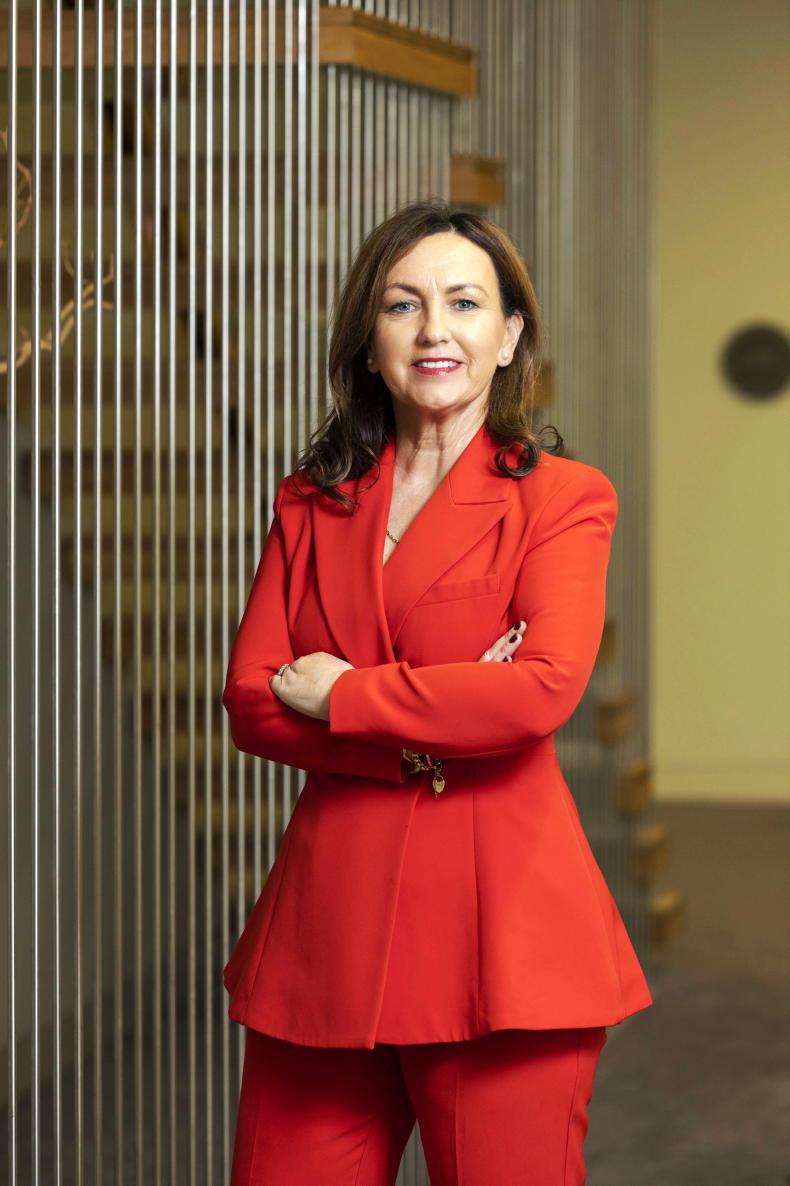
Another well-recognised symbol among Irish consumers is the Guaranteed Irish ‘G’. Guaranteed Irish has been in existence for over 50 years, and CEO Brid O’Connell says over its lifespan, the not-for-profit certification body has broadened its scope while remaining highly trusted by consumers.
“When it was first conceptualised, Guaranteed Irish was, really, all about jobs,” she explains. “It still very much is, but we’ve repositioned slightly over the years into the national symbol for trust in Irish-based businesses, be they home-grown or international. Our licensed businesses support the four pillars of the organisation: jobs, provenance, community and sustainability.”
To obtain certification from Guaranteed Irish, businesses must be successful in the detailed application process.
“Guaranteed Irish certification is a licence of trust for doing business in Ireland,” Brid says. “To earn this, businesses have to go through our four pillars. They also have to be a good fit for the brand, so [for example] gambling businesses would not be a good fit, nor anything to do with nicotine or vapes.
“That application form is assessed by us and then goes to our appraisal advisory council, which is really important,” she continues. “These people are volunteers; they change every few years and they represent our four pillars. They stress test the application form and look at what happens if this company joins and they don’t perform. The appraisal council will then recommend the businesses – not all pass, we actually have a 15% failure rate – and once they are approved by the board of directors, they are issued their licence.”
The Bord Bia Quality Mark was number one and I was delighted to see that Guaranteed Irish was number two. We have research carried out by Red C Research and Marketing every year, and recent findings say 93% agree that the ‘G’ symbol supports businesses and local communities
According to research commissioned by Guaranteed Irish, 75% of Ireland’s population recognise the ‘G’ symbol – it’s even appeared as a question in the Leaving Cert examinations. To further explore its importance, Guaranteed Irish procured additional research and in June hosted an event with members from Bord Bia, Food Cloud and Glenisk present, among others.
“Bord Bia spoke on recent research that shows the range of quality marks, and which ones are performing well,” Brid says. “The Bord Bia Quality Mark was number one and I was delighted to see that Guaranteed Irish was number two. We have research carried out by Red C Research and Marketing every year, and recent findings say 93% agree that the ‘G’ symbol supports businesses and local communities.
“That’s really important to us. 75% of our existing members [there are approximately 2,500 member businesses] say when they put the ‘G’ on their packaging, it makes a difference to their bottom line.
“It’s not just about supporting Irish, it’s about supporting businesses who have chosen to call Ireland home,” she adds.
“We’re not saying ‘this product is produced in Ireland’, we’re saying ‘this business is trusted’, and ‘this company is a good one to work with’. It’s about how they’re behaving when they’re not being looked at.”
The Tiller Index
Not all food certifications have had the longevity of Guaranteed Irish or the recognition of the Bord Bia Quality Mark (at least, not yet), but others have been created to increase traceability and sustainability efforts among food producers, chefs, businesses and consumers.
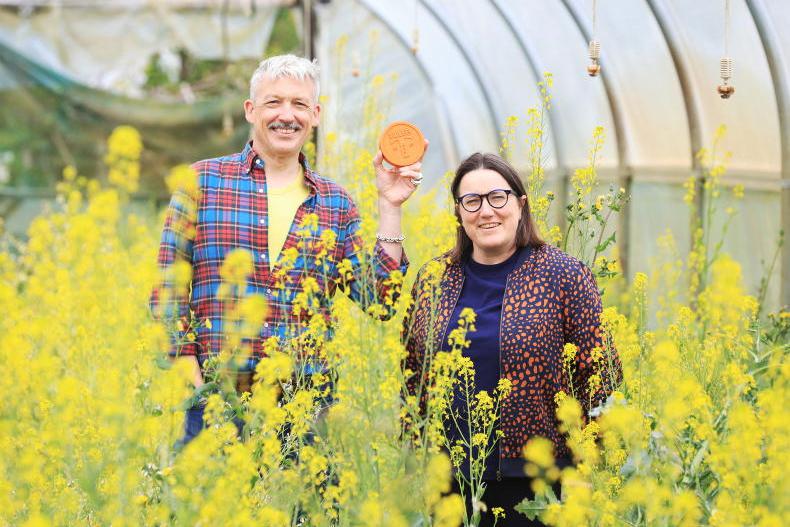
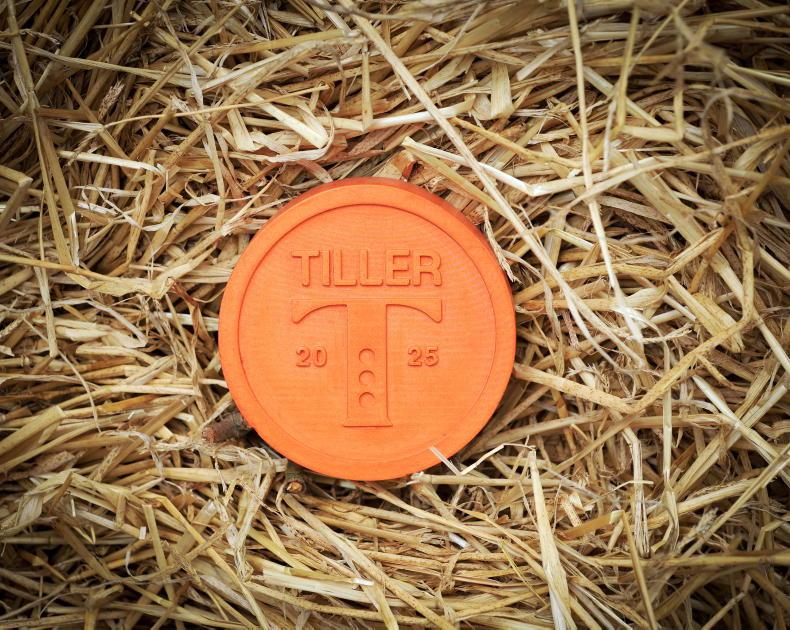
This summer, a new certification called Tiller was launched for food businesses truly committed to Irish provenance.
Tiller was founded by Joe Macken, a hospitality entrepreneur with a career in restaurants, hotels, food production and tourism, and Mary Healy, who has spent years scaling businesses and getting their operations right. Together, they built Tiller to provide recognition to restaurants and food businesses that back up their claims on Irish provenance, quality and transparency, rather than just stating them.
To be certified, restaurants complete a detailed assessment and provide supporting evidence (invoices and supplier documentation). Certification is renewed annually and standards include using Irish ingredients, serving natural bread, preparing food in-house and avoiding plastic packaging where possible.
“Tiller grew from a simple observation,” Joe said, at the time of their launch. “There are restaurants across Ireland making a genuine commitment to Irish farmers, fishers and producers, but too often that work is invisible to customers.
“Tiller is about recognising the businesses that are doing it right and giving diners confidence in what they’re choosing.”
We recognise dairy farmers and meat producers, but we are more interested in those growing fresh produce because they [producers] are entirely unsupported. We need a bit of a call to action and through Tiller, the more we all ask for Irish produce, we can help support the people growing our food
Research commissioned by Tiller indicates 93% of diners believe restaurants who prioritise Irish produce should be recognised and 91% would like more information on menus around the provenance of the ingredients. Additionally, 71% would be willing to pay more for a meal made with Irish ingredients.
“It’s not about punching anyone down or catching anyone out, because we are cognisant of how food gets to market,” Joe tells Irish Country Living. “The fact is, most suppliers don’t add the country of origin to final invoices, especially when dealing with fresh produce. If you order carrots, the docket will just say carrots – it won’t say where they’re from.”
The certification is aimed at all food businesses, from restaurants to cafés, cafeterias, butcher shops and bakeries. While Irish beef, lamb, poultry, eggs and dairy products are included, Joe says he especially hopes Tiller will strengthen support for those growing fresh produce.
“We recognise dairy farmers and meat producers, but we are more interested in those growing fresh produce because they [producers] are entirely unsupported,” he says. “We need a bit of a call to action and through Tiller, the more we all ask for Irish produce, we can help support the people growing our food.”
Bord Bia Quality Mark
Use of the Quality Mark is free for members of The Food Processor Standard, but members must seek approval in advance. The membership fee for The Food Processor Standard covers the cost of the audit. The Bord Bia Quality Mark is the most widely recognised symbol among Irish consumers. It certifies a food was grown and produced in Ireland.
Guaranteed Irish
Guaranteed Irish membership fees are calculated based on the size of the member organisation, including the number of employees, ensuring a fair and scalable fee structure across all sectors. Larger member organisations support SME members, ensuring they can also benefit from using the Guaranteed Irish licence.
Tiller
Certification costs are banded and based on the business’ annual turnover. Band one (the starting price) is for businesses with a turnover between €500,000 and €1.5m and costs €1,475 annually. Tiller is offering discounted rates for businesses that sign up by the end of 2026.
See tillerindex.com, bordbia.ie and guaranteedirish.ie



SHARING OPTIONS