



‘It is my favourite time of year. The spring bulbs have long since bloomed and are nearing the end of their prime, and my summer plants are returning to their full splendour.
In the polytunnel, salad greens are coming fast and furious and I’m picking ripe strawberries each day. Our rhubarb is a bit slow this year, but is starting to ripen. With our meagre crop of strawberries and, hopefully this year, some redcurrants, blueberries and gooseberries, the rhubarb will go straight into the freezer. It just needs a wash and a chop, then we can enjoy it throughout the year, stewed and topped over our porridge, mixed into tart fillings or scented with vanilla and spooned over pillowy pavlovas.
When I was a chef in Toronto, we would always garnish our desserts with raspberries and strawberries, but I would never eat them. It wasn’t that we didn’t invest in good quality ingredients, but these berries were shipped in from other parts of the world. They always tasted cold and sour. They weren’t juicy, sweet or aromatic like the seasonal berries we enjoy here in Ireland. In my home province of Nova Scotia, we spend July and August picking wild blueberries – small, sweet and plump. As you bite into one, flavour explodes on your tongue. You can almost taste the antioxidants in the naturally grown, wild fruit. The berries in the restaurant tasted nothing like these sweet gifts from nature.
In my early 20s, I lived and worked as an English teacher in South Korea for three years (this is also where I met my Irish husband, but that’s a story for another time). My students were adorably tiny four-year-olds, and they would always bring in fresh fruit for their snack. Juicy slices of the huge pears grown in the region, sweet strawberries – they would even bring cherry tomatoes in as a fruity snack; they were so sweet and juicy. It was in Korea where I made that first connection between seasonal eating and flavour – why the wild blueberries of my youth tasted so much nicer than the ones we buy from the supermarket. The fruits my students brought in for snacktime were grown locally and in season. They didn’t eat strawberries in the winter. They enjoyed persimmons and apples in the colder months. The grapes they ate needed to be peeled, but once the skin was removed the flesh was sweet and juicy. I was, all of a sudden, in fruit heaven.
So yes, when I moved from Korea to Toronto and started working in restaurants, the out-of-season berries just didn’t do it for me. When I moved to Ireland in 2013, I once again came to appreciate the fruits and vegetables of the season. New potatoes swimming in melted butter, spring cabbage, sweet, tenderstem broccoli – all of these foods tasted better to me than anything I had ever had in Canada. I realised how remote Canada is and how far most foods have to travel to get to my plate. Our growing season is short; our winters are very long. Our foods come from South America, from Mexico. They are picked un-ripened so they will be ready to eat when they arrive. In Ireland, we can grow food for much of the year and even the foods coming from continental Europe are not travelling as far to get to our plates.
So while the connection was made between enhanced flavour and eating seasonally, it took me longer still to realise that there is an additional connection. In-season eating means better-tasting foods, but also, increased nutritional content. As it turns out, when we eat fruits and vegetables which have been left on the vine, in the tree or under the ground to ripen fully, they also contain higher levels of vitamins, minerals and antioxidants. This is because fruits and vegetables start losing nutrients as soon as they are harvested.
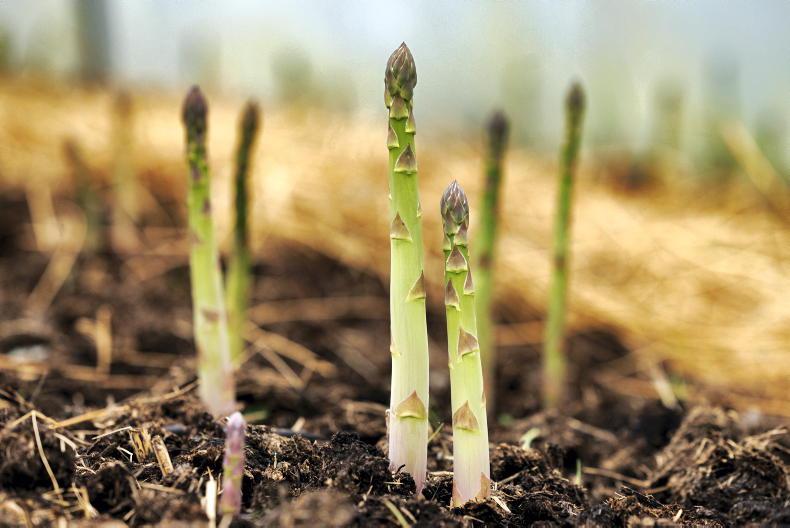
To me, this explains why the Irish-grown asparagus I was gifted a few weeks ago tasted absolutely nothing like the asparagus I usually buy in the supermarket. That asparagus was shipped to Ireland and spent a considerable amount of time in transit, losing nutritional value and flavour in the process. The asparagus gifted to me was picked that morning and sent via post. I roasted it with Irish rapeseed oil and flaky sea salt. It was sweet, crunchy and delicious – you could taste the nutritional content.
Those pre-washed bags of salad leaves in the supermarket? Try them next to some home-grown, freshly picked salad greens and tell me you can’t tell the difference. According to research completed at the University of North Carolina, freshly picked leafy greens contain a considerable amount more folate, which helps with metabolism and overall cell health. While not everyone has the capacity to build a polytunnel and start growing their own food, salad leaves are an easy and space-friendly way to start. If you don’t want to grow your own, there are small-scale market growers in every county who sell their greens to independent shops.
Nutritional value aside, I find eating with the seasons an exciting adventure each year. I am looking forward to Irish strawberry season, and to snag a few of Con Traas’ Irish cherries (from The Apple Farm in Cahir, Co Tipperary) as soon as they become available. In my polytunnel, I am growing asparagus (I am an Irish asparagus convert), tomatoes, fresh herbs and greens, broccoli and I’m sprouting crown prince pumpkins and pink banana squash for an autumn harvest.
Outside, I await the first of my 2026 beetroot and radish, while I still have leeks, garlic and spinach in the ground from the 2025 season. I will never forget those long Canadian winters, short growing seasons and utter dependency on imported fruits and vegetables, and this is the reason why I will never take our Irish climate for granted.





SHARING OPTIONS