


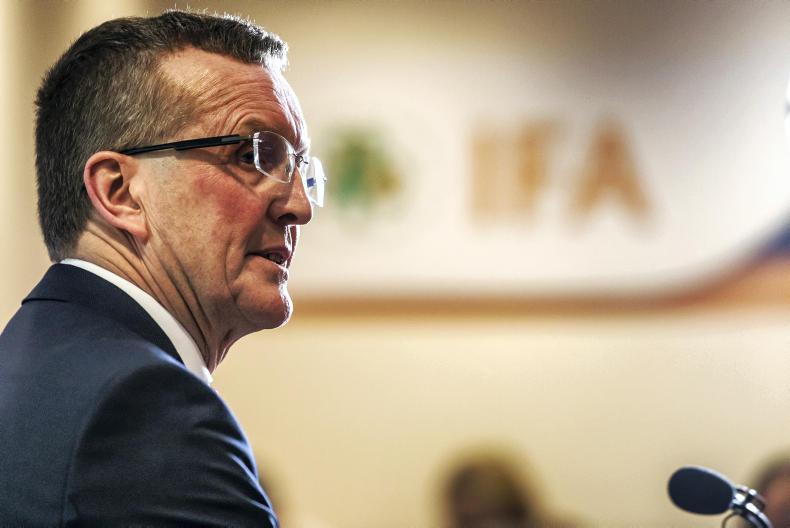
“I was on the flight to Washington with the Taoiseach in March, and on two trips to Brussels, but then the shutters came down.”
Tim Cullinan has had to establish himself as IFA president in the strangest of circumstances.
“My first outing back in February was the last meeting of heads of state, where the threat to pull €58bn from CAP budget was raised. The handbrake has been put on for now. The latest proposal at least gets us back towards our current position,” he tells the Irish Farmers Journal.
“I’ve consistently said we need €2bn each year between Brussels and co-funding; at least we’re heading in that direction. We have to exert the maximum pressure on the Taoiseach to strive for an increase again and ensure that co-funding is maintained at the current level.”
Troubled beef
While all sectors are facing their challenges, Cullinan acknowledges that beef is yet again the most troubled.
“I will follow through on my campaign pledge for a scheme for sucklers and sheep. Last year was a disaster. The outlook was good. By now we would probably have been at €4.20 or €4.30 if COVID-19 hadn’t struck. High-end cuts were a problem. We lobbied for APS [storage aid] for beef, which did stabilise the market across Europe, although we didn’t put much in ourselves. Now, numbers are tight. The worry I have is that cattle due to be finished have been put back out to grass, so cattle numbers in the back end could rise?,” he says.
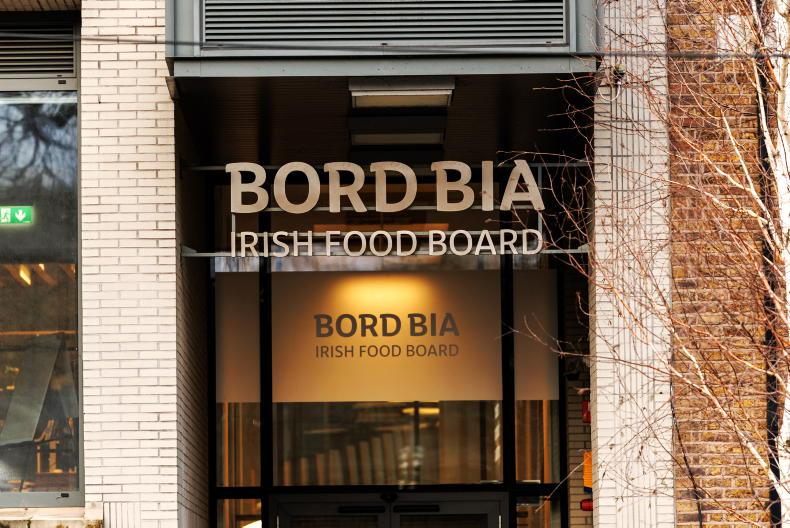
“Bord Bia are suggesting a grass-fed beef protected geographical indicator for beef. I want an economic evaluation of what that will do for the cattle farmers’ income and margin.
“We have over 1m beef cattle coming from the dairy herd. We have to devise a strategy for these cattle. Are we going to put the PGI badge on the back of a Friesian-cross calf? What is that saying to our suckler farmers?”
The Green Deal
“The big worry for farmers is the Green Deal. The Commission are looking for new measures, more affordable food, higher standards, and reduced inputs. How can farmers deliver all that with static prices, shrinking payments and rising costs?” he asks.
“Food security has to come into it now, and the power of the retailer is a massive challenge. We can’t meet these standards if retailers keep selling food below the cost of production.
“It’s a major concern that the agricultural commissioner is not leading the strategy for farming. He must protect direct payments. The reason for Pillar I direct payments is to compensate farmers for growing food to the highest standards for low prices.
However, he adds: “There are positives in Farm to Fork, particularly the acknowledgement that farmers will have to be paid for carbon sequestered. We need Teagasc to step up and deliver the science on this. We’re in a common market, so I have concerns about the Commissioner’s focus on local markets. Renationalisation would be bad for Ireland.
“We all know we have to strive to do more for the environment. If they’re serious about 25% of land going organic, we need more money and it needs to be new money. The premium organic farmers get for their product is small enough, and would be swallowed up with rapid expansion.”
On future farm payments, he says: “Payments must be kept for active farmers. Where a farmer is renting out the farm, payments should expire over a period of time and go to a much-needed national reserve.”
The IFA
“We’re getting the business done, and we are learning lessons. Our ongoing presence in Brussels is crucial. We have embraced technology and social media. Every elected member of IFA is on a WhatsApp group since 17 March,” says the Tipperary man.
“That’s 4,000 people who can get a message from their branch members and their parish straight up the line. We also have conference calls with the four regions, and this week the national council is meeting by Zoom call.
“I’m a huge believer that if anyone has an issue or problem get on the phone and get your point across. Our system hasn’t changed a lot since 1965, but I think the county executive won’t be the same after this. That said, we need to get out to our farmers as soon as possible, and roadtest our thinking and policies.”
Government
“I have had one-to-one Zoom calls with Leo Varadkar, Micheál Martin and Eamon Ryan in recent days. What we are looking at now will shape Irish agriculture for 20 years. We need a minister that will fly the flag and fight on their back for Irish farmers,” he says.
“Maybe we have to look at part of the €750bn European recovery fund. I would hope all parties want the agriculture minister’s job. If we’re facing unemployment of 20%, farming will have a critical role to play in recovery.”
Brexit
Commenting ahead of a crunch week on Brexit talks, he says: “We are core members of the EU, we have always been supportive of the Commission and the common interest. If Brexit goes wrong, we’re talking ?about billions and billions of a cost to Irish farming, and that money will have to be found.”



SHARING OPTIONS