




The Government is beginning its internal review of sectoral emissions reduction targets.
Minister for the Environment, Climate and Communications Eamon Ryan is understood to have first sat down with Minister for Expenditure and Public Reform Michael McGrath, presumably to look at scope for financial support instruments for the transport, energy and farming sectors.
He is meeting with Minister for Agriculture Charlie McConalogue next week, to begin the process of defining the narrower “landing zone” for farming. The minimum cut in carbon output from farming is 22%, or 4m tonnes of carbon dioxide equivalent (CO2eq). The upper target of 30% would involve a 6mt CO2eq reduction.
Minimise the cuts
Farm leaders are calling on Minister McConalogue to try to minimise the ask on farming.
IFA president Tim Cullinan said: “This is an acid test for the Minister. He must stand up for our sector and push back on any attempt to introduce a ceiling above 22%.
“A 30% target would likely result in significantly reduced production, devastating Irish farming, and lead to carbon leakage, increasing global emissions. The Government has done no research on this whatsoever – they are operating in a vacuum. There needs to be a full economic and social impact assessment before imposing ceilings,” he said.
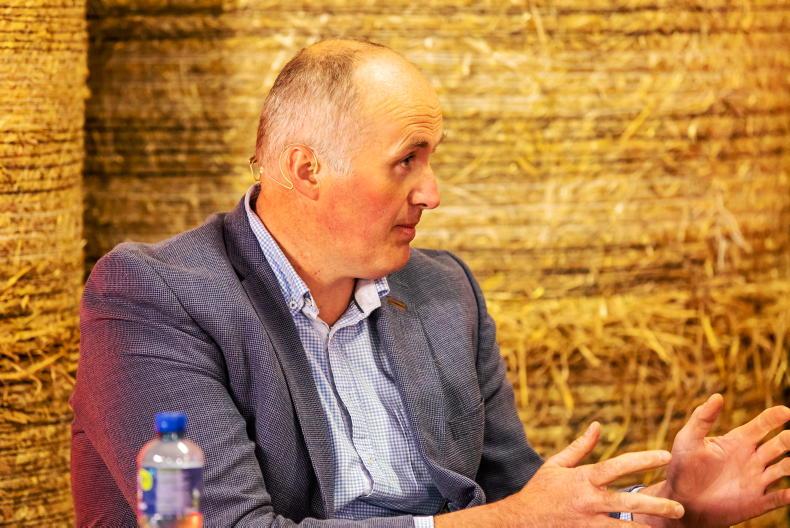
“We arrived with great difficulty at a figure of 22%, that was possible based on the principles of MACC and real data,” said ICMSA president Pat McCormack. “Going to the top of the range will not transition our farming and food sectors – but terminate them. Where is the emissions reduction plan for aviation?”
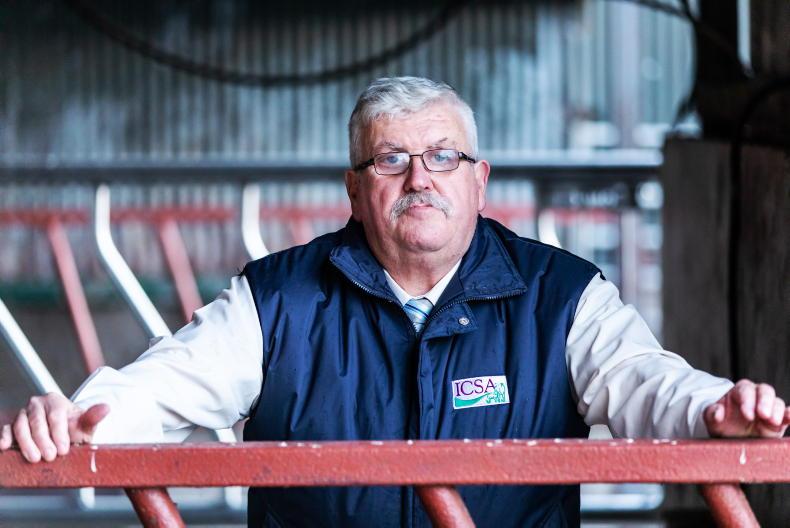
ICSA president Dermot Kelleher said: “Ireland’s sectoral targets need to get the balance right between what is achievable in emissions reductions and the need to protect quality food production. The livestock sector is committed to using all available technologies to reduce emissions but it would be insanity to export our emissions to outside the EU, making the EU more vulnerable to import dependency,” he said.





SHARING OPTIONS