




The IFA has claimed that the climate debate has become polarised around the issue of stock numbers and that emphasis needs to be put back on reducing emissions.
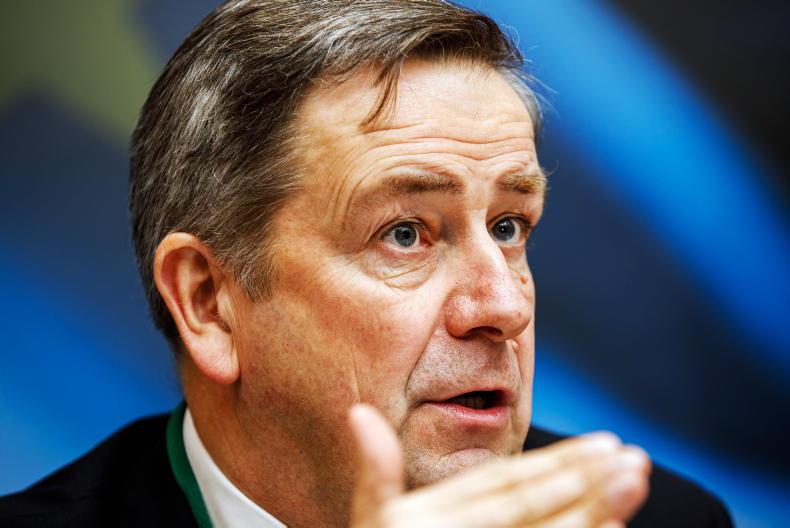
Reacting to Wednesday’s Climate Action Plan for 2023, IFA president Tim Cullinan warned that no measures imposed to reduce farmers’ emissions can be allowed to hit farm incomes.
Cullinan urged Government to push resources behind emissions reducing technologies that do not put pressure on farmers at a time when the global demand for food is growing.
“We are committed to reducing emissions, but it cannot be at the expense of farmers’ livelihoods or by reducing in output,” Cullinan said.
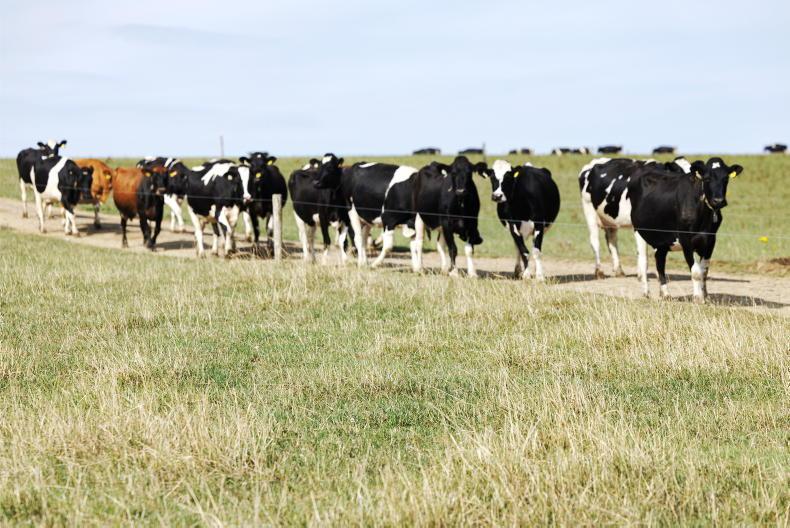
“The debate has become unnecessarily divisive with far too much focus on cattle numbers. The focus must be on reducing emissions, not on reducing cattle numbers.”
Invest in innovation
The IFA called on policymakers to consider a longer-term approach to reducing farm emissions.
Supporting research and innovation will be needed to see new technologies make their way on to farms in time to reduce emissions, the association said.
“The issue is that the Government could do real damage to our sector to meet a short-term target when technological advancements could well to help us achieve our 2030 targets,” the farm leader went on.
“The EU has already approved a product which significantly reduces methane emissions from livestock. We need to expedite already promising research on how this and other products can be delivered in a grass-based system.”
More engagement needed
Cullinan voiced concerns around the levels of engagement with farmers on land use, land use change and forestry (LULUCF), which is the only sector still waiting on Government to set its climate target.
He also reiterated that non-farming-sector emissions cuts will affect family farms.
“There needs to be much more engagement with farmers on these issues. Any measures in this area must be entirely voluntary,” the IFA president continued.
“It must be remembered that farmers are citizens too, and they and their families will have to adapt to the changes in the transport and energy sector.”





SHARING OPTIONS