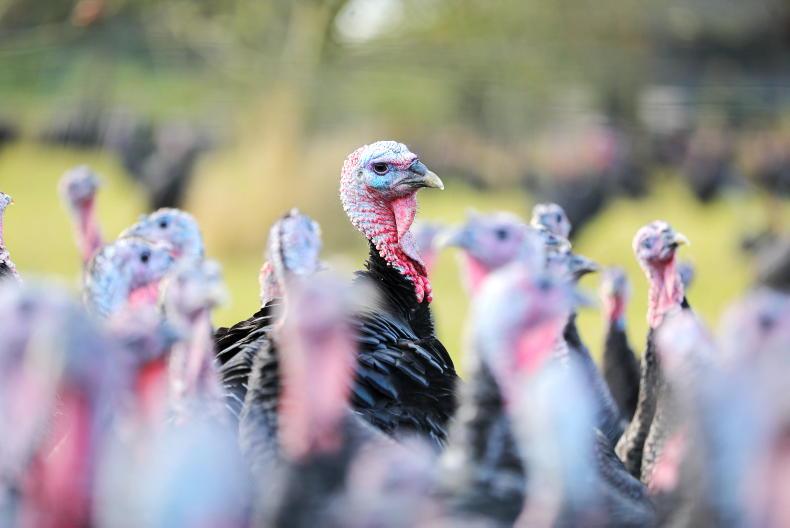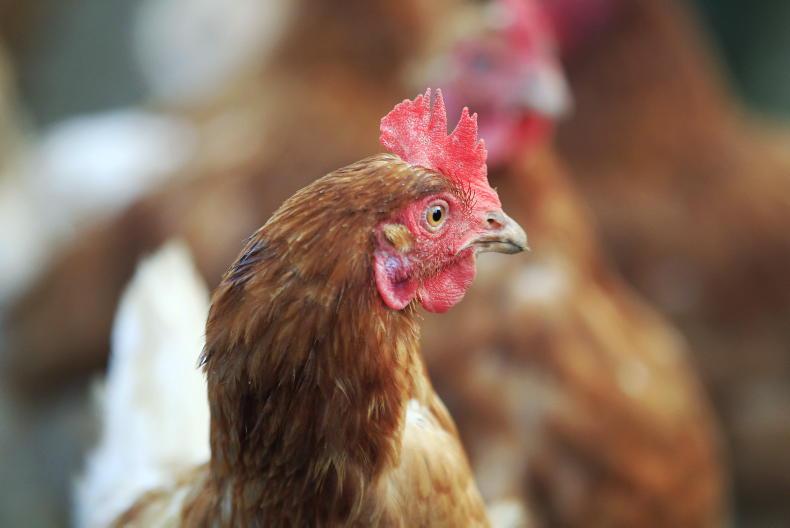
Britain is currently under an Avian Influenza Prevention Zone (AIPZ). By law, farmers must follow strict biosecurity and hygiene rules to prevent bird flu.\ Ramona Farrelly
ADVERTISEMENT
Britain is currently experiencing a significant outbreak of highly pathogenic avian influenza (HPAI) H5N1 (bird flu), with 27 confirmed cases across England and Wales since 11 October.
The number of cases has led to widespread concern across the poultry industry, with all of Britain currently classed as an Avian Influenza Prevention Zone (AIPZ), which requires poultry keepers to follow strict biosecurity measures.
In the AIPZ in England, a mandatory housing order came into effect on 6 November, requiring bird keepers across the country to house all poultry and captive birds if they keep more than 50 birds or if they sell or give away eggs.
ADVERTISEMENT
Authorities have implemented 3km protection zones and 10km surveillance zones around sites infected with bird flu.
The UK Health Security Agency (UKHSA) advises that bird flu is primarily a disease of birds, and the risk to the general public’s health is very low.
Wild bird population
Weekly report findings in wild birds have confirmed a total of 56 positive cases of bird flu were identified in wild birds in the week ending 2 November (week 44) across Britain. Half of these cases were found in the Mute Swan population. A further 16 wild geese also tested positive for avian influenza.
Register for free to read this story and our free stories.
This content is available to digital subscribers and loyalty code users only. Sign in to your account, use the code or subscribe to get unlimited access.
The reader loyalty code gives you full access to the site from when you enter it until the following Wednesday at 9pm. Find your unique code on the back page of Irish Country Living every week.
CODE ACCEPTED
You have full access to the site until next Wednesday at 9pm.
CODE NOT VALID
Please try again or contact support.
Britain is currently experiencing a significant outbreak of highly pathogenic avian influenza (HPAI) H5N1 (bird flu), with 27 confirmed cases across England and Wales since 11 October.
The number of cases has led to widespread concern across the poultry industry, with all of Britain currently classed as an Avian Influenza Prevention Zone (AIPZ), which requires poultry keepers to follow strict biosecurity measures.
In the AIPZ in England, a mandatory housing order came into effect on 6 November, requiring bird keepers across the country to house all poultry and captive birds if they keep more than 50 birds or if they sell or give away eggs.
Authorities have implemented 3km protection zones and 10km surveillance zones around sites infected with bird flu.
The UK Health Security Agency (UKHSA) advises that bird flu is primarily a disease of birds, and the risk to the general public’s health is very low.
Wild bird population
Weekly report findings in wild birds have confirmed a total of 56 positive cases of bird flu were identified in wild birds in the week ending 2 November (week 44) across Britain. Half of these cases were found in the Mute Swan population. A further 16 wild geese also tested positive for avian influenza.
If you would like to speak to a member of our team, please call us on 01-4199525.
Link sent to your email address
We have sent an email to your address. Please click on the link in this email to reset your password. If you can't find it in your inbox, please check your spam folder. If you can't find the email, please call us on 01-4199525.
ENTER YOUR LOYALTY CODE:
The reader loyalty code gives you full access to the site from when you enter it until the following Wednesday at 9pm. Find your unique code on the back page of Irish Country Living every week.
SHARING OPTIONS