



The risk of an outbreak of bluetongue virus (BTV-3) in NI is still considered to be moderate, but uncertainty is high due to the inability to predict weather patterns and midge dispersal, attendees at an online event organised by DAERA on Tuesday were told.
“We are considering putting that [risk] up to high, but the situation is very dynamic,” said DAERA vet Maria O’Hagan.
She maintained that the most likely route of infection is from midges blown over from England, so the department is closely monitoring the disease situation there. In addition a hazard management system run by the Met Office monitors wind direction, with the last easterly wind on 20 July.
Across England in the 2024-2025 vector season, the first BTV-3 case was confirmed on 26 August 2024 and over the period, there were 265 cases on farms involving 904 positive cattle and sheep.
In the 2025-2026 vector period, which officially started on 1 July, the first confirmed case was on 10 July. There have been 12 confirmed cases to date, some of which have been severe and resulted in death.
Longer window
According to Pilar Romero from the Animal and Plant Health Agency (APHA) in England, with active disease detected earlier this year, there is a longer window for the BTV-3 virus to replicate in midges and ultimately for the midge to transmit the disease. This process is driven by air temperature and it has been a warm summer in 2025.
Ultimately there are concerns that England is tracking what happened in the Netherlands, but “one season behind,” said Romero.
In 2024, the Dutch had 8,527 confirmed cases of BTV and their sheep population decreased 20%.
Given those concerns, farmers across Britain are being encouraged to vaccinate cattle and sheep.
However, farmer uptake has been slow, with less than 10% of cattle and sheep vaccinated in most counties within Britain.
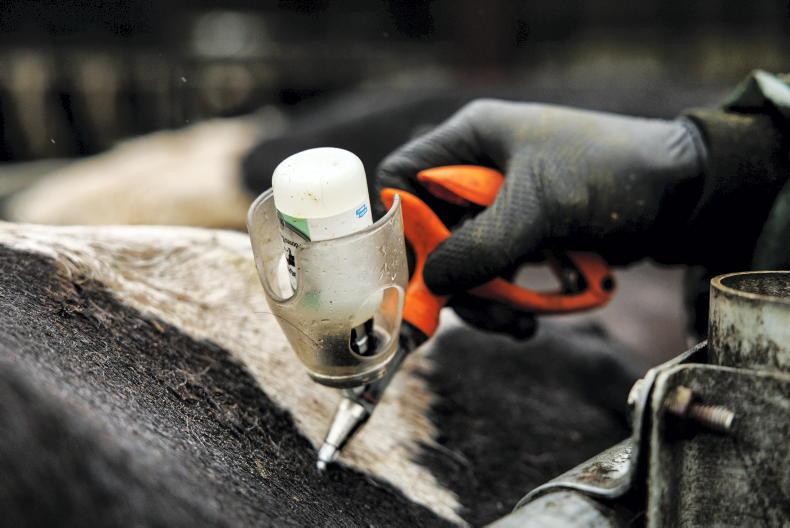
While Romero acknowledged that the vaccines “are not as good as hoped” and they will not prevent transmission of the disease, she said there is clear evidence they reduce both mortality and the clinical signs of BTV-3.
BTV-3 issues around vaccination and trade
With no cattle or sheep legally imported into NI from outside the island of Ireland since August 2024, active surveillance for BTV-3 is currently done via checks in local abattoirs, confirmed DAERA vet Ignatius McKeown.
BTV-3 is a notifiable disease and if a positive case was found in an abattoir or on farm, a 20km zone would be placed around the farm of origin, with livestock movements in and out controlled by DAERA. Animals in the zone could still move to direct slaughter, including to the Republic of Ireland so long as a 48 hour pre-notification is given, said McKeown.
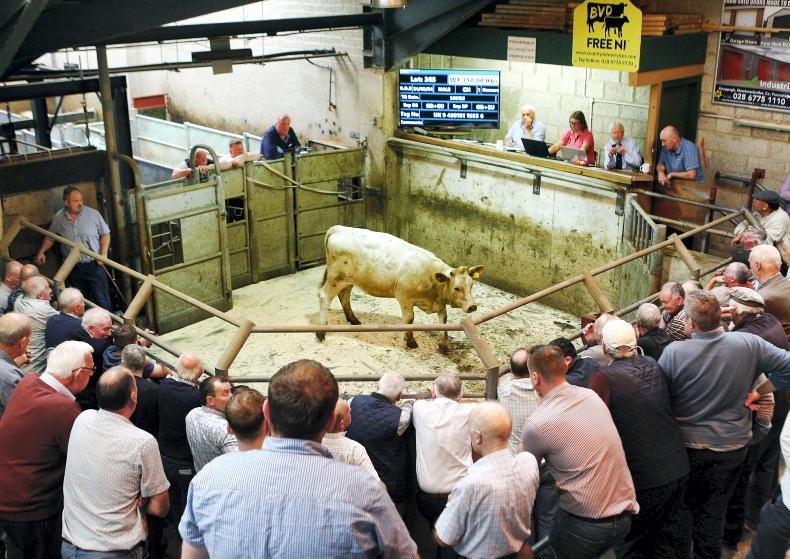
However, a disease zone would have major implications for agricultural shows and marts. Any markets in the zone would not be allowed to sell susceptible animals such as cattle or sheep.
In the initial stages of an outbreak, the department will try to stamp out the disease so is likely to cull infected animals. But if numbers of infected premises go beyond the first three, “culling starts to become unlikely,” added McKeown. NI must have no cases for two years to regain BTV-free status.
With NI relying on abattoir surveillance to retain BTV-free status, it creates the potential for a false-positive to be found via a vaccinated animal. As a result, any farmer looking to use one of the three BTV-3 vaccines, must do so under licence from DAERA.
“We need to identify which animals are vaccinated to ensure our surveillance can carry on. A decision to vaccinate is for the livestock keeper in close collaboration with their private vet, taking a range of factors into account,” said Jim Blee from DAERA.
He confirmed that while NI remains BTV free, vaccinated livestock being exported for breeding or production, can still move to ROI and other member states. However, if disease-free status is lost, it will impact live moves everywhere, including to ROI.
There is a potential clause in health certificates that permits the movement of vaccinated animals out of a BTV region so long as the vaccine has “known duration of immunity”. That doesn’t apply to any of the vaccines currently allowed to be used in NI or Britain.




SHARING OPTIONS