



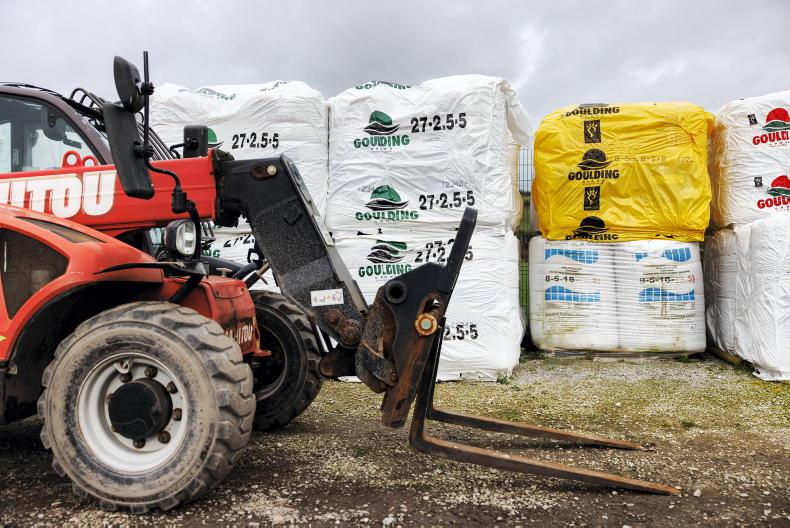
High fertiliser costs could suppress demand from farmers and eventually lead to shortages of product if manufacturing is scaled back, MPs have been warned.
Jo Gilbertson, head of fertiliser at the Agricultural Industries Confederation, said fertiliser plants will quickly stop production if demand reduces.
“A critical time for us is probably June and July. If we start to see orders dry up because of a lack of farmer confidence, we are going to move into demand destruction.
“We are going to see European and UK-based plants potentially go off line, so we end up in a negative feedback cycle,” he told Westminster’s environment committee.
Gilbertson said reduced fertiliser production locally leads to more reliance on imports from other parts of the world but these “are drying up as well”.
He explained that the closure of the Strait of Hormuz due to the US-Iran war has had an indirect impact on UK fertiliser prices.
He said most fertiliser that passes by the Persian Gulf is destined for Asian markets, whereas the UK usually sources fertiliser from the Mediterranean, Europe and America.
“The hiatus [at the Strait of Hormuz] has caused displacement activity and that has caused the hike in price,” Gilbertson said.





SHARING OPTIONS