



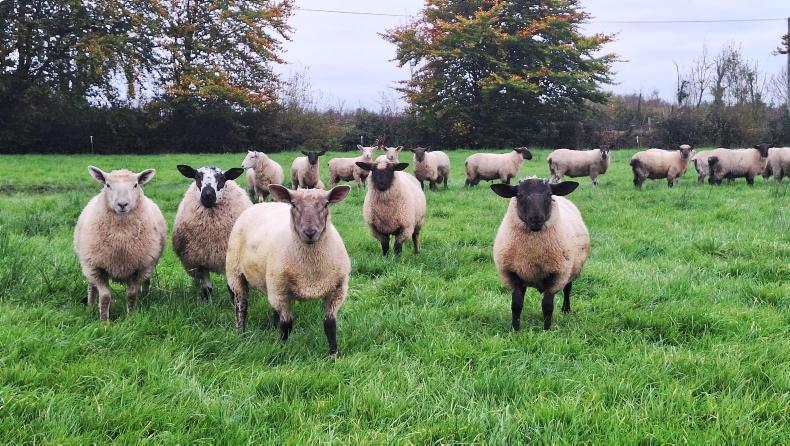
Even though the dry summer has left grass supplies tight in some parts of NI, the store lamb trade has held up well in local marts over recent weeks.
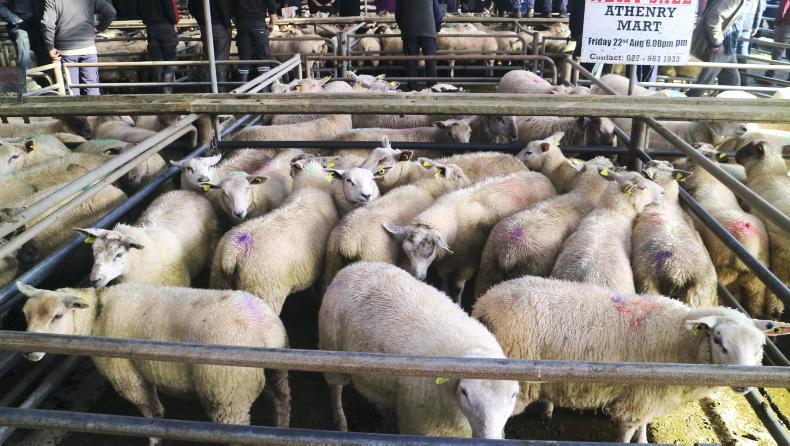
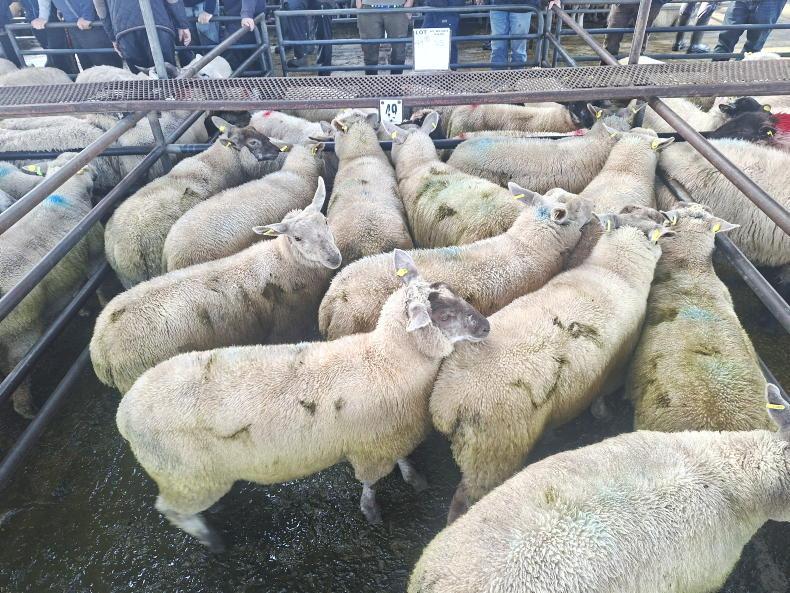
As outlined on page 52, short keep lambs are making around £125, with lighter lambs selling for £110 to £115.
For the buyer, the profit margin depends on the price paid for the store lamb, all costs associated with finishing it, plus the big unknown is the eventual fat lamb price.
Before buying store lambs, it is worth running through a simple budget so that you have an understanding of the ball park price you need to generate a profit.
As an example, take a farmer who buys 50 crossbred lambs for £115 at an average liveweight of 37kg.
The target liveweight for drafting is 49kg, which at a 43% kill-out will produce a 21kg carcase.
During September, lambs on good-quality autumn grass should average a liveweight gain of 1.1kg/week, falling back to 0.8kg/day in October and November.
In this example, concentrates are offered for the final four weeks to help boost liveweight gain and to improve both fat cover and kill-out.
Overall, it should mean it takes around 12 weeks to reach the target slaughter weight.
Costs
The main grazing for these 50 lambs is 10 acres of silage aftermath which has received a bag of CAN fertiliser per acre. The fertiliser was bought at £425/t which equates to a grazing cost of £4.25/lamb.
A high-maize lamb pellet is bought at £320/t and it is offered at 0.5kg/day for the four-week feeding period. This takes concentrate costs to £4.48/lamb.
A worm dose will cost £1/lamb and there should be an allowance for other veterinary costs, such as treating lameness, at another £1/lamb.
Transport costs of £2/lamb should also be included and, when it comes to slaughter, factory charges and levies will come to around £2.10/lamb.
Finally, the farmer is aiming for a profit margin of £10/lamb.
When all projected costs and the profit margin are taken together, it comes to £24.83/lamb.
It means finished lambs need to average £139.83/lamb, which equates to £6.66/kg over a 21kg carcase.
Lamb price
With lamb prices currently sitting around £6.70/kg, the farmer in our example will be hoping for no more price cuts over the autumn so that profit margins are not eroded.
Another potential cost worth considering is mortalities.
In this example, if one lambs dies during the finishing period, it equates to a mortality rate of 2%.
This adds a further cost of £2.30/lamb to the overall budget and eats into the expected profit margin at current lamb prices.
It should also be noted that our example is a reasonably low-cost finishing system. Lambs that are fed higher levels of concentrates or are grazed on rented winter grass will require an even higher breakeven lamb price.
For farmers with breeding ewes, this budget shows that profit margins are tight in finishing lambs and the store lamb market could be worth considering, especially if grass supplies are tight ahead of tupping.



SHARING OPTIONS