


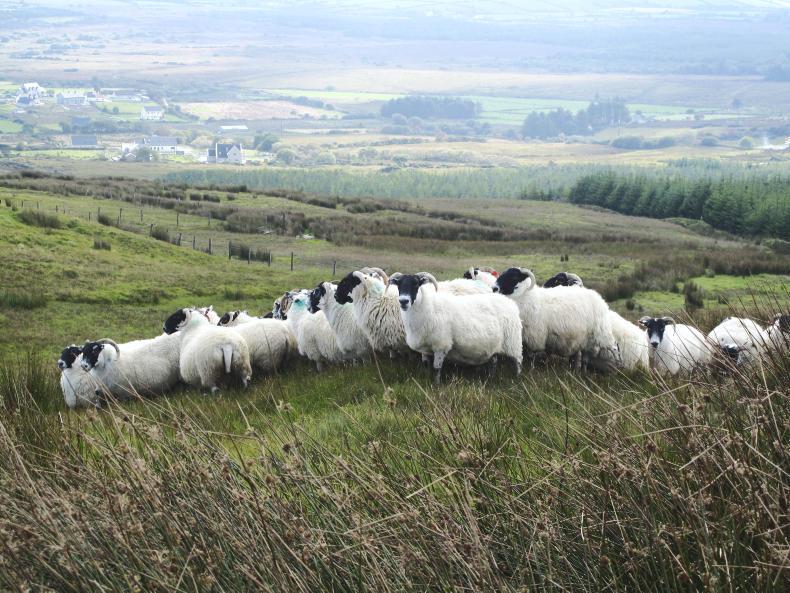
Hill farmers and crofters are to receive a 20% cut to their Less Favoured Area Support Scheme (LFASS) payment in 2019 due to forced European Commission changes. The Scottish Government has chosen to cut payments rather than implement an Area of Natural Constraint (ANC) scheme for next year’s claims.
Confirming the change, Rural Economy Secretary Fergus Ewing said: “LFASS is vital for our rural economy and remote communities, which is why I have decided to continue with the scheme in 2019 even though the UK Government has stopped its support.
“Providing support to more than 11,000 farmers and crofters, the scheme will continue with payments at the maximum that EU rules allow, which is 80%. I am also actively consulting with stakeholders on how farmers and crofters about the shape of future support for the industry, including those producers in Less Favoured Areas, as part of the recently launched Post Brexit Transition consultation.
“Unfortunately, I am unable to provide further certainty beyond 2019 as, despite repeated requests, the UK Government has still not given clear assurances on post-Brexit guarantees. While I continue to press them to do so, I hope this announcement will provide stability of funding and support for our farmers and crofters.”
Neil McCorkindale, chair of the Scottish Beef Association (SBA), said: “The SBA is delighted that the Scottish Government has taken the best short-term option available for now. With so much uncertainty and things due to change in 2020 it makes sense to do what is best for the industry now, and they are to be congratulated for doing just that.”
The current National Less Favoured Area Support Scheme loans programme for 2017 will close for applications on Friday 29 June. Claimants who have received a loan offer, and who still intend to accept, should do so before this date. Eligible hill farmers and crofters can claim up to 90% of their CAP LFASS 2017 payment.
NLFASS 2017 loan offers have already been made to around 11,000 farmers, injecting more than £55m into the rural economy. Those with any further questions should get in touch with their local Department Office.



SHARING OPTIONS