My dad used to say that there was nothing worse for farmers than a good year. What he meant was that you'd pay for it over the next three or four years.
His reasoning was that when things are really good in farming, when prices and output are both good and farmers are making money, costs inevitably go up. This is because farmers have little control over input prices, so the links in the supply chain will take a little slice of what’s going round. This is pretty normal and to be expected.
The problem is that good prices recede more quickly than increased input costs, and farmers find themselves handing back the money they made in the “golden year” over subsequent years.
What happened four years ago may cost farmers for the next decade. Why do I say that? Because in 2022, despite the surge in input costs, farmers had a good year. Prices rose rapidly and covered those massively elevated production costs, and grass growth and crop yields were good.
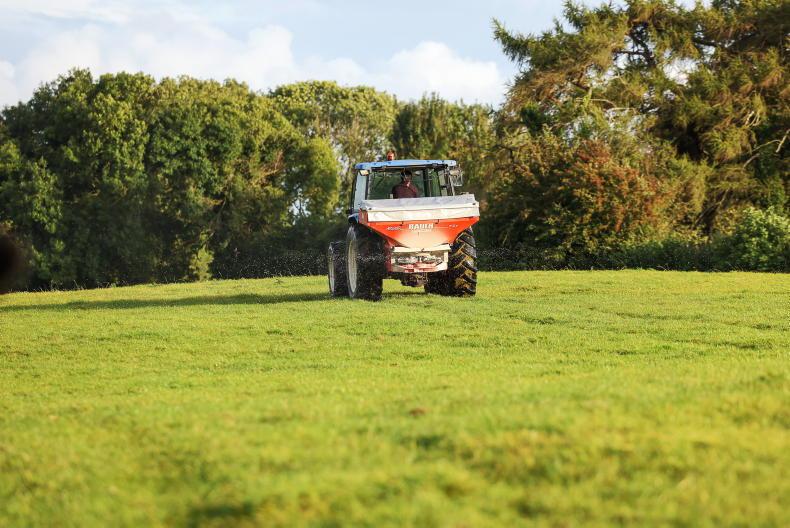
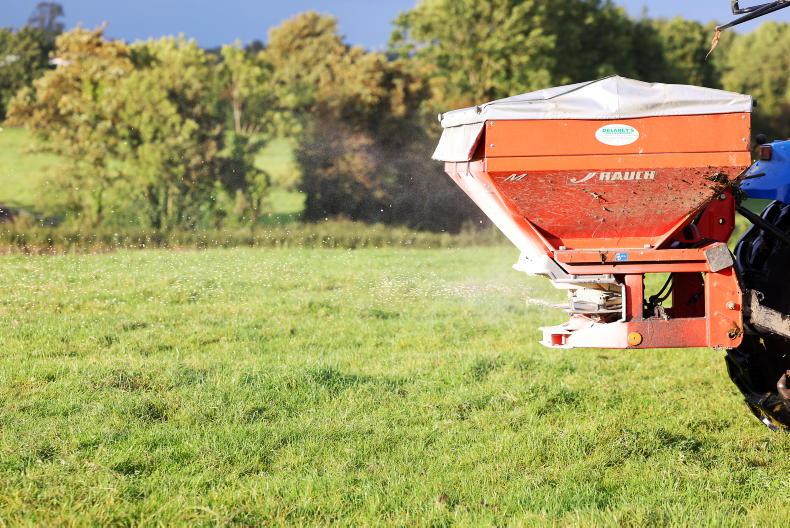
And because of that, it seems that Europe is in danger of sleepwalking through the current production cost squeeze. The Fertiliser Action Plan announced this week was long on plans, most of them optimistic more than realistic, and short on money. The money that was put on the table seemed mostly to be either state aid or existing funds paid earlier than previously scheduled.
It made the Government Fuel Support Package seem dynamic by comparison. And the gas thing is, there is a very obvious instrument the Commission could employ- simply remove the fertiliser tax they imposed on imports into the EU on 1 January.
Adjusting
CBAM, the Carbon Border Adjustment Mechanism, is currently adjusting very high nitrogen prices still higher, by as much as €120/tonne of CAN according to ICOS this week. Is this really necessary, or even advisible?
Perhaps if the very short-term food shortages in supermarkets of 2022 had been a little more prolonged, it would have been a wake-up call for Brussels that domestic European agricultural production really is the cornerstone of the EU’s food supply.
Instead, while there is much rhetoric around food security, the actions of the Commission as a whole would suggest they aren’t really convinced it is a priority. Christophe Hansen, who has presented himself as a champion for family farmers, has his work cut out for him.
Bye-election shows lack of voter engagement
The voting is over, and the counting is taking place in both Dublin Central and Galway West. Much like the Eurovision, the counting is the interesting part for a lot of people. Neither election campaign ever delivered a water-cooler moment, it was all fairly anodyne.
The turnout shows voters never really engaged with these bye-elections, with tallies of roughly 45% in Galway West and only 40% in Dublin Central.
And that is despite the Electoral Commission removing 5,000 people from the Dublin Central electoral register as part of a nationwide clean-up. In all, over 300,000 people have been taken off, mostly because of duplication.
This isn’t due to widespread voter fraud; the old cliché of “vote early and often” is a bit of an urban, and rural myth. It’s more due to an analogue system not keeping up with people as they move from place to place.
Dublin Central’s low turnout is thus is coming from an electorate of only 57,932. It’s a tiny volume of registered voters for four seats.
Contrast
By contrast, the Wexford constituency, also with four seats, had an electorate of 85,744 in the last general election. Indeed, the three-seat Wicklow-Wexford constituency had only one hundred and eighty-seven less of an electorate than the four-seat Dublin Central in the 2024 general election (63,003 as opposed to Dublin central’s 63,190).
The overall population of Dublin Central, however, probably merits four seats. These statistics would suggest that registration levels of adults are lower in Dublin Central than in most rural constituencies.
This poses valid questions about public engagement with the democratic process. There are other factors at play; many adults residing in Dublin Central may not have the Irish or British citizenship required to vote.
At the time of writing, it’s looking good for the Social Democrats Daniel Ennis in Dublin Central, with Sinn Féin’s Janice Boylan his main rival.
Meanwhile, Galway West looks like a close contest between Fine Gael’s Sean Kyne and Independent Ireland’s Noel Thomas.
A win for Fine Gael in a bye-election, as a government party for the last fifteen years, would be a considerable boost.
Ironically, they would be taking a traditionally left seat, held since 2016 by Catherine Connolly and before that since 1987 Michael D Higgins, and for one tern his labour colleague Derek Nolan.
Meanwhile, the seat vacated by Fine Gael’s Paschal Donohoe in Dublin Central is going left.
Holly Cairns and the Social Democrats will be buoyed if they win, particularly in Mary Lou McDonald’s own constituency.
Could the Social Democrats break clear of the current three-way even split between themselves, Labour, and People before Profit/Solidarity? One warm weekend doesn’t make a summer, and one bye-election win is nothing more than something to build on, but it can create momentum for a party that has stood a little still while Holly Cairns was on maternity leave.
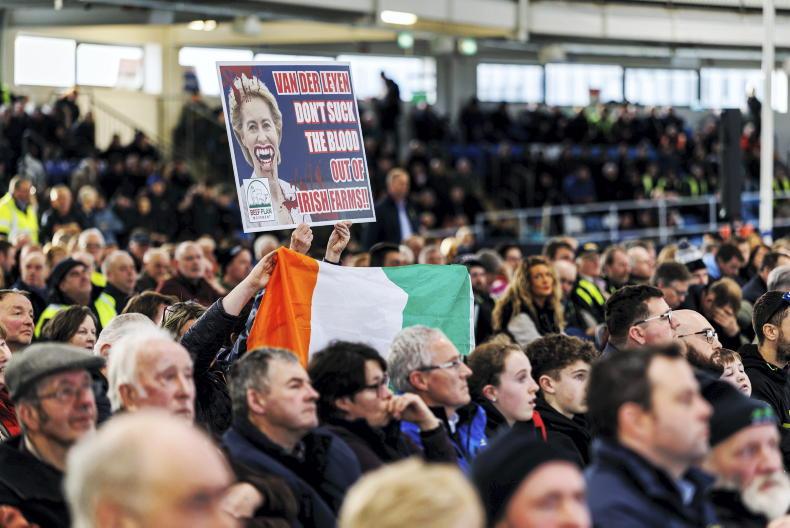
For Independent Ireland, a win for Noel Thomas would provide some wind in their sails. They were the party most closely linked to the recent fuel protests, and hosted the big Mercosur rally in Athlone back in January.
Difficult
I’ve written here of how difficult I think it is for a right-wing party to break through in rural Ireland because of the place occupied on the political spectrum by Fine Gael and Fianna Fáil’s public representatives.
A big bye-election win would be a decent starting place. One question is whether Fianna Fail’s transfers will stay in the coalition, and whether Noel Thomas’s’ past as a Fianna Fáil county councillor will gain or lose votes from Fianna Fáil’s Cillian Keane.
You would think that the balance of transfers from left candidates would not be supportive of government, but they have to travel the full width of the political rainbow to get to Noel Thomas. Time will tell.
My dad used to say that there was nothing worse for farmers than a good year. What he meant was that you'd pay for it over the next three or four years.
His reasoning was that when things are really good in farming, when prices and output are both good and farmers are making money, costs inevitably go up. This is because farmers have little control over input prices, so the links in the supply chain will take a little slice of what’s going round. This is pretty normal and to be expected.
The problem is that good prices recede more quickly than increased input costs, and farmers find themselves handing back the money they made in the “golden year” over subsequent years.
What happened four years ago may cost farmers for the next decade. Why do I say that? Because in 2022, despite the surge in input costs, farmers had a good year. Prices rose rapidly and covered those massively elevated production costs, and grass growth and crop yields were good.
And because of that, it seems that Europe is in danger of sleepwalking through the current production cost squeeze. The Fertiliser Action Plan announced this week was long on plans, most of them optimistic more than realistic, and short on money. The money that was put on the table seemed mostly to be either state aid or existing funds paid earlier than previously scheduled.
It made the Government Fuel Support Package seem dynamic by comparison. And the gas thing is, there is a very obvious instrument the Commission could employ- simply remove the fertiliser tax they imposed on imports into the EU on 1 January.
Adjusting
CBAM, the Carbon Border Adjustment Mechanism, is currently adjusting very high nitrogen prices still higher, by as much as €120/tonne of CAN according to ICOS this week. Is this really necessary, or even advisible?
Perhaps if the very short-term food shortages in supermarkets of 2022 had been a little more prolonged, it would have been a wake-up call for Brussels that domestic European agricultural production really is the cornerstone of the EU’s food supply.
Instead, while there is much rhetoric around food security, the actions of the Commission as a whole would suggest they aren’t really convinced it is a priority. Christophe Hansen, who has presented himself as a champion for family farmers, has his work cut out for him.
Bye-election shows lack of voter engagement
The voting is over, and the counting is taking place in both Dublin Central and Galway West. Much like the Eurovision, the counting is the interesting part for a lot of people. Neither election campaign ever delivered a water-cooler moment, it was all fairly anodyne.
The turnout shows voters never really engaged with these bye-elections, with tallies of roughly 45% in Galway West and only 40% in Dublin Central.
And that is despite the Electoral Commission removing 5,000 people from the Dublin Central electoral register as part of a nationwide clean-up. In all, over 300,000 people have been taken off, mostly because of duplication.
This isn’t due to widespread voter fraud; the old cliché of “vote early and often” is a bit of an urban, and rural myth. It’s more due to an analogue system not keeping up with people as they move from place to place.
Dublin Central’s low turnout is thus is coming from an electorate of only 57,932. It’s a tiny volume of registered voters for four seats.
Contrast
By contrast, the Wexford constituency, also with four seats, had an electorate of 85,744 in the last general election. Indeed, the three-seat Wicklow-Wexford constituency had only one hundred and eighty-seven less of an electorate than the four-seat Dublin Central in the 2024 general election (63,003 as opposed to Dublin central’s 63,190).
The overall population of Dublin Central, however, probably merits four seats. These statistics would suggest that registration levels of adults are lower in Dublin Central than in most rural constituencies.
This poses valid questions about public engagement with the democratic process. There are other factors at play; many adults residing in Dublin Central may not have the Irish or British citizenship required to vote.
At the time of writing, it’s looking good for the Social Democrats Daniel Ennis in Dublin Central, with Sinn Féin’s Janice Boylan his main rival.
Meanwhile, Galway West looks like a close contest between Fine Gael’s Sean Kyne and Independent Ireland’s Noel Thomas.
A win for Fine Gael in a bye-election, as a government party for the last fifteen years, would be a considerable boost.
Ironically, they would be taking a traditionally left seat, held since 2016 by Catherine Connolly and before that since 1987 Michael D Higgins, and for one tern his labour colleague Derek Nolan.
Meanwhile, the seat vacated by Fine Gael’s Paschal Donohoe in Dublin Central is going left.
Holly Cairns and the Social Democrats will be buoyed if they win, particularly in Mary Lou McDonald’s own constituency.
Could the Social Democrats break clear of the current three-way even split between themselves, Labour, and People before Profit/Solidarity? One warm weekend doesn’t make a summer, and one bye-election win is nothing more than something to build on, but it can create momentum for a party that has stood a little still while Holly Cairns was on maternity leave.
For Independent Ireland, a win for Noel Thomas would provide some wind in their sails. They were the party most closely linked to the recent fuel protests, and hosted the big Mercosur rally in Athlone back in January.
Difficult
I’ve written here of how difficult I think it is for a right-wing party to break through in rural Ireland because of the place occupied on the political spectrum by Fine Gael and Fianna Fáil’s public representatives.
A big bye-election win would be a decent starting place. One question is whether Fianna Fail’s transfers will stay in the coalition, and whether Noel Thomas’s’ past as a Fianna Fáil county councillor will gain or lose votes from Fianna Fáil’s Cillian Keane.
You would think that the balance of transfers from left candidates would not be supportive of government, but they have to travel the full width of the political rainbow to get to Noel Thomas. Time will tell.
SHARING OPTIONS