



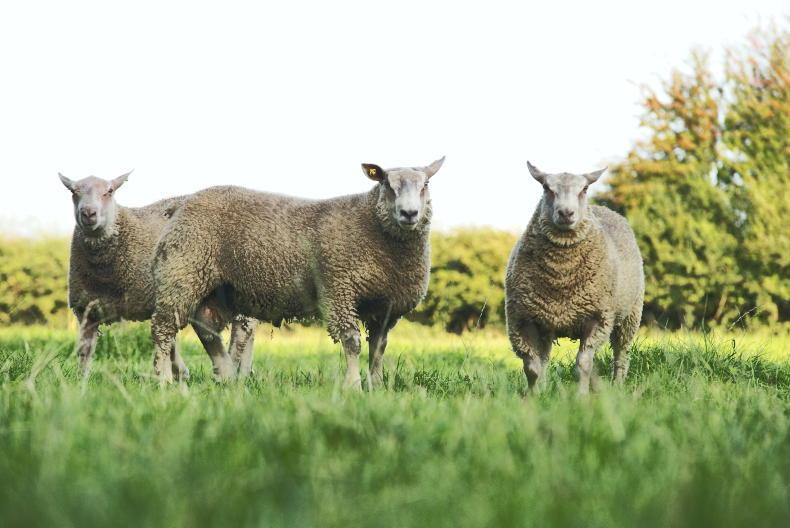
This week’s higher temperatures are forecast to peak on Saturday and Sunday with temperatures reaching 27 to 29 degrees and possibly exceeding 30 degrees in places. With livestock in Ireland not acclimatised to these sort of temperatures they have the potential to trigger issues that would not normally be seen. Therefore it is important that farms take appropriate action to prevent problems from emerging.
One such risk is heat-related fertility issues in rams. The current temperatures experienced have the potential to have detrimental effects on the quality of semen if a ram’s body temperature exceeds 40oC.
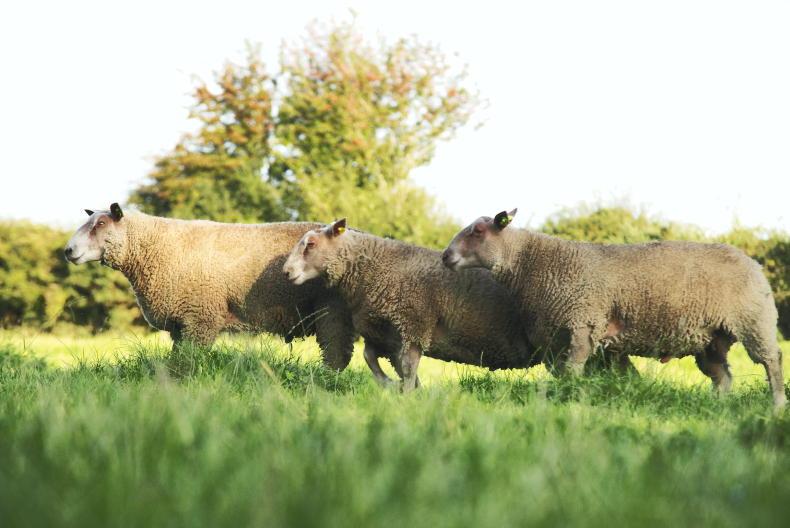
The rams likely to be facing the highest risk are those which are on an intensive concentrate-based diet, such as 2025-born ram lambs, and those which do not have access to good shelter during peak daytime temperatures. This is as ram lambs on an intensive will already be under pressure in digesting high levels of concentrates with the spike in temperatures potentially pushing body temperatures in to dangerous territory.
Such a scenario occurred in recent years during such spikes in temperature with some rams which were exposed to high temperatures experiencing temporary fertility issues or testing with poor-quality semen six-to-seven weeks later. This is a concern where early lambing is being practiced or rams are being fertility tested ahead of sales.
Good shelter and access to water
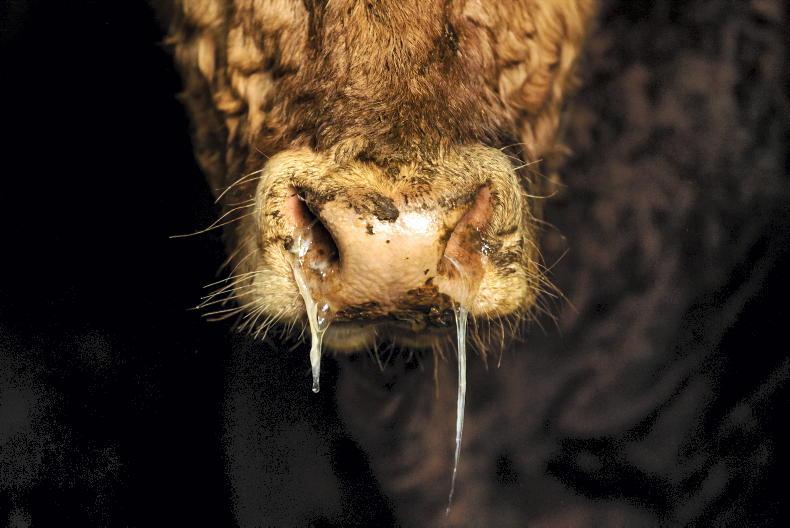
It is important to ensure that rams have good access to shelter and a convenient water supply. Delving deeper into the latter point rams may not leave shelter freely to seek out water if they are facing heat stress and as such a temporary water supply may need to be provided adjacent to where rams are eating and sheltering.
Where no shelter is readily available then rams should be moved in to paddocks where mature hedging or trees are present. While another good option if it is feasible is allow rams have access to a shed with good ventilation.
Safe transport of sheep
Transporting livestock during peak temperatures can also trigger an increased risk of issues. This is true of ram lambs being transported to shows this weekend for the reasons outlined above while there is also a risk of all animals succumbing to intense heat where they are packed tightly and the appropriate stocking rate is not adhered to. Sheep that go down in a load will survive for a much shorter timeframe and as such it is wise to operate at a lower stocking rate and make regular stops to check that all animals are standing.
Sun burn in freshly shorn sheep
While this is likely to only affect a small number of animals it is important to provide freshly shorn sheep with shelter to prevent their skin getting sun burnt. Sheep should be flocked where possible early in the morning or later in the evening.




SHARING OPTIONS