



UCD Lyons Farm, Celbridge, Co Kildare
The soil is getting quite dry at UCD Lyons Farm, with very little rain to speak of in the past two weeks. The warm temperatures, sunshine and windy conditions are drying the ground up quickly.
The harvest has not yet arrived and there are not too many winter trial plots to be cut anyway. The winter barley is not yet ripe, but a week of fine weather should do a lot to bring it in. The winter rye is showing no signs of lodging despite its height and lack of plant growth regulators. The winter oats have seen some lodging but it should be OK for the combine.
The winter triticale and spelt look pretty good but the wheat is only middling as disease has come into the crop over the past month.
However, this is exactly what Gary wants to be able to show it to students.
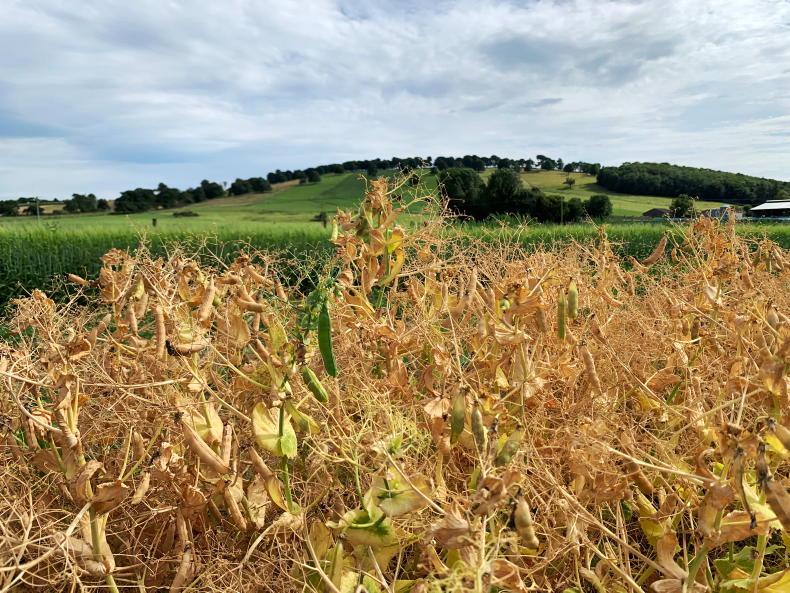
He also has some winter peas. The variety, Fresnel, is still standing and is ripening in nicely. Gary says it will be very interesting to see how this variety does when it goes through the combine.
On the spring side, the peas are flowering well and seem to have enjoyed the recent warm weather. The camelina, buckwheat and linseed are all in flower too. These three crops have performed well over the past three years and show some potential for use in Ireland, but this year, they are a bit thinner and behind due to dry weather after sowing.
On the long-term cultivation systems trial, electromagnetic induction and electrical resistivity tomography were conducted in the last number of weeks. Gary is using these non-invasive soil scanning methods as part of a project called AgroSoil that is looking at plant rooting under different establishment systems. They can also be used to determine areas of high and low soil fertility and as an initial stepping stone towards variable rate applications.
Bagenalstown, Co Carlow
The weather over the past few weeks has been great in Carlow and Hugh says it will bring his crops in a bit quicker than he was expecting. Harvest preparations are nearly complete with the combine and trailers just about ready to go.
The winter oats will be the first to be cut on the farm. Hugh says they are coming in quick after being blasted by the sun and heat in the past three weeks. Although the green is going out of them, Hugh thinks it will be another fortnight by the time they’re fully ripe. The crop looked good all year but Hugh says he finds it hard to predict how oats will do until they go through the combine.
The winter oilseed rape is keeping its green colour well and is probably still a month away. It’s a nice, thick, full crop so Hugh is quite hopeful. It is on some of his heavier land so it did not get stressed during the hot weather as there was plenty of moisture available.
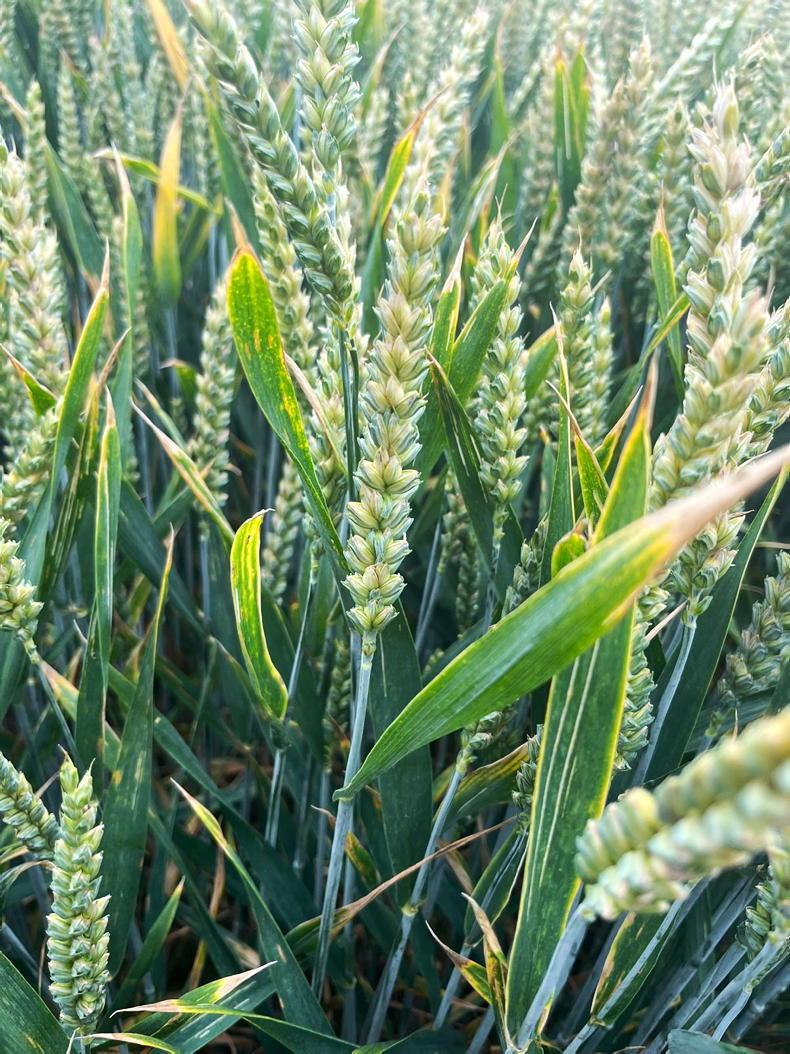
The winter wheat is filling its grains and looks quite good. Whether or not the hot and dry weather is affecting it, Hugh says he will have to wait for the combine to know for sure. The wheat that looked very miserable in March has come on leaps and bounds. Hugh says the decision not to replant some of the worst-affected areas has been more than justified.
Hugh has entered the maximum area allowed for the Straw Incorporation Measure and says it will be interesting to see whether all farmers are approved or not. Once the harvest begins, Hugh will be aiming to cultivate the fields as soon as possible after harvest. He says the sooner the straw is mixed with the soil, the better.
A decision on whether to plant cover crops will depend on the harvest date on the wheat. If it is harvested early, phacelia will be planted.
Ballinasloe, Co Galway
The warm weather has brought crops in quickly in Galway. Patrick says he might get into the winter barley in the next few days. The six-row conventional barley has some lodging after a very heavy shower two weeks ago but Patrick is happy enough as “only a good crop goes down”. The hybrid barley looks good and the two-row looks alright and might be the first to be harvested.
The winter oilseed rape is coming in quick too and Patrick thinks two weeks will do a lot for it. All seeds in pods on the main stem are black and the top of the crop has gone an olive colour but there is still a lot of green in the crop.
Patrick thinks it’s not the best crop of oilseed rape he has ever had.
The winter wheat is just beginning to lose its colour but it has stayed clean of disease and Patrick says it looks phenomenal.
The spring barley is finished with its sprays and looks well. Wild oats were controlled in the spring barley but Patrick says they got away from him in the winter barley as they appeared in places there had never been wild oats before. He adds that he will have to look out for them next year.
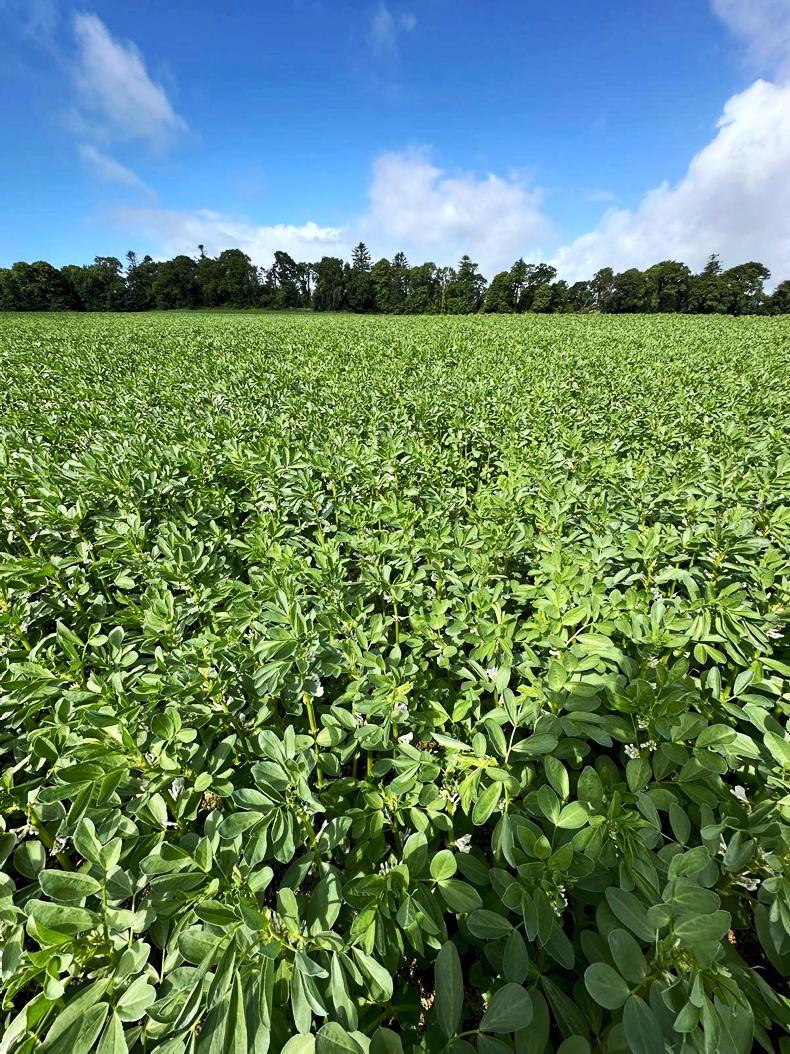
The spring beans were only sown in the last week of April but are already finishing up flowering. Patrick was shocked at how fast they caught up to crops that were sowed early.
He says it shows what can happen if you plant crops into warm, dry soil.
However, he is unsure of how it will yield.
He has not applied a fungicide to the crop yet and he is not sure if he will. There is only a small bit of chocolate spot on the lower leaves and he doesn’t want harvest to be very late, especially in his part of the world.


SHARING OPTIONS