



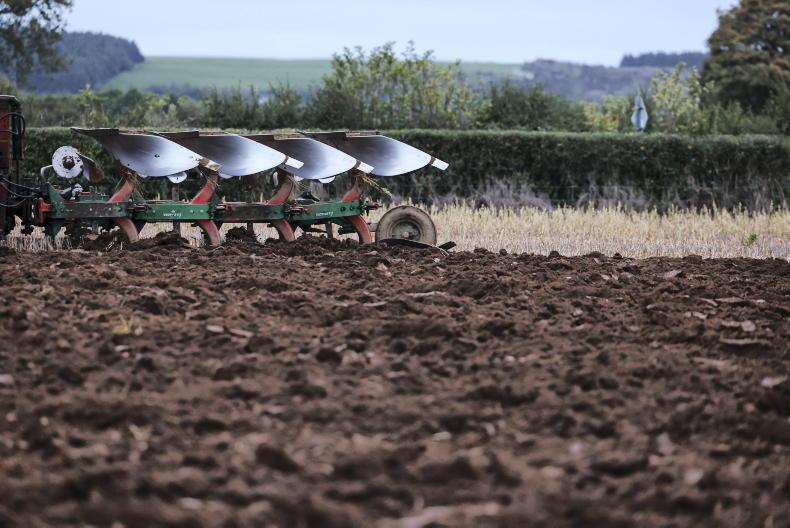
Weather: this week has brought a great spell of weather and allowed people to get stuck into planting. There had been a lot sown in some areas in September, but in many parts of the country farmers waited to plant to avoid forward crops, excess disease pressure and grass weed problems.
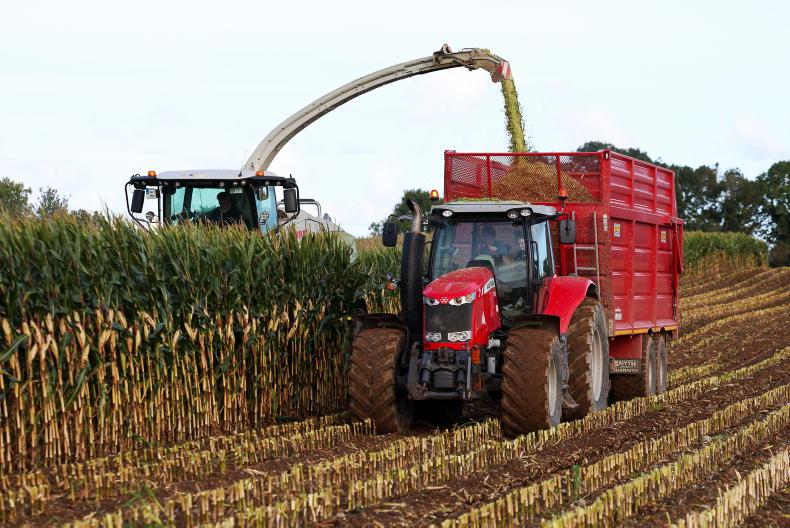
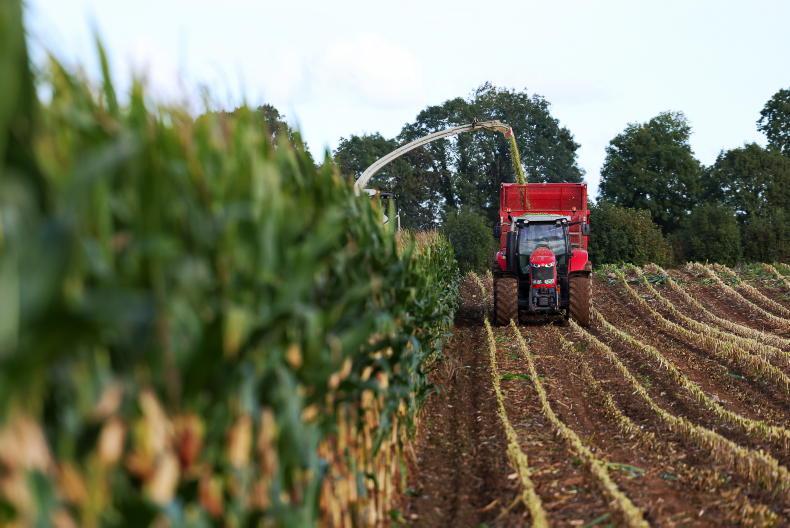
It’s a fine balance deciding whether to sow or to delay and hope that the weather turns. Thankfully this week is providing an ideal time to plant. Winter barley has been the main priority, along with rye. Many winter barley and rye crops that were sown in September are up over the ground and were up in a week. Wheat is the next crop on the list, followed by oats. Some farmers still have maize and potatoes to move before planting these crops. Although a large amount of maize is now harvested.
Slugs: slugs are a threat to all cereals, but to rye crops in particular. The drier weather should reduce risk, but growers have to pay particular attention to rye, even when they are busy sowing other crops. Slugs can take out whole fields of rye and will stay feeding on crops throughout the winter, whereas barley, wheat and oats generally outgrow the slugs. Teagasc’s Richie Hackett advises growers to roll the seedbed tightly and, in some cases roll it twice if conditions allow.
If you are planting rye, you should plant as soon as possible as the warmer temperatures will help the crop to become established and be a more difficult challenge for slugs. Richie noted that rye should not be planted in fields that have high slug populations as they will be extremely difficult to control.
Grass weeds: where grass weeds are a problem on your farm keep seed rates on the high side to try and smother those weeds in crops. In fields with grass weed problems, delay sowing for as long as possible and avoid early crops like rye. In some cases, you may need to move to a spring crop. There are no in crop herbicides to give you control of blackgrass or full control of Italian ryegrass.
Ploughing and spring planting can reduce these grass weed populations significantly, by about 70% for blackgrass according to research in the UK. Check out the tillage pages (40-41) for some of the findings from grass weeds research that the Irish Farmers Journal visited in the UK earlier this year.
Pre-emergence herbicides: pre-emergence herbicides will give the best control of grass weeds, especially annual meadow grass. If you have your sowing complete you should try to apply a pre-emergence herbicide to fields. Consult with your agronomist on what product to use and make sure the product has a label for the crop it is being used on.
Use recommended rates to prevent herbicide resistance build up. Annual meadow grass is showing signs of resistance in some fields. Check if the crop is coming up before spraying. You should not apply these products when the crop is just about to emerge (peri-emergence) as you could harm the plant. If you can, apply pre-emergence herbicides to a damp seedbed as this can help the products to work.




SHARING OPTIONS