



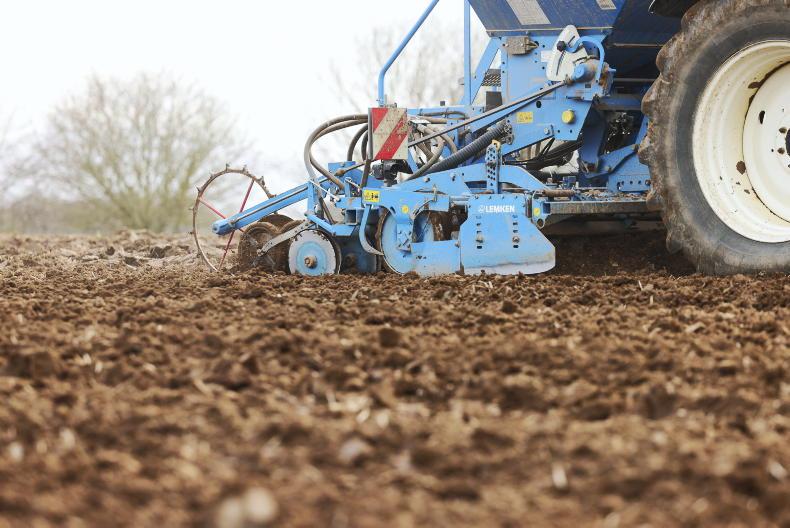
Weather: There looks to be some better weather in the forecast before rain at the weekend, so hopefully the harvest can be wrapped up and some crops will be in the ground before the rain arrives. Hybrid rye should be the first crop to be planted if you have a market for it. Leave winter barley until early October where possible and plant barley yellow dwarf virus tolerant varieties first. Before you plant anything examine your crop costs and returns. On this week’s tillage pages we have detailed Teagasc estimates. See what crops work best for your farm. Examine target yields and if you can generally hit them or not. If they are out of reach then you should not be sowing. Keep an eye out for flea beetle and slugs in oilseed rape. Flea beetle risk should be reducing all the time. If you are planting rye, monitor slugs from the get-go.
Seed orders: Get seed ordered in the coming days if you have not done so already. Look through the recommended lists and choose a variety that suits your farm. Try to calculate seed rate or ask your agronomist to estimate the amount of seed you need. Consider an increase as you sow later in the season.
Seed rate: Calculate your seed rate based on thousand grain weight, target plant count and estimated establishment percentage. Seed rate will need to increase as the season goes on. Note with hybrid crops seed rates will be lower as the target plant count is lower. For example, a crop of winter barley with a thousand grain weight of 52g, a target plant count of 300 plants per metre squared and an estimated establishment percentage of 85% would have a seed rate of 183kg/ha.
Don’t sow if you can’t spray: In the coming weeks think about the timeline you have to plant and spray herbicides. If you can’t spray pre-emergence and you have a grass weed problem in that field then you should not be sowing. Pre-emergence is an important tool in grass weed control and is essential to get on top of weeds.
Catch crop deadline: If you planted long-term catch crops (measure 6A) under the Farming for Water programme you still have time to submit your declaration to say what you planted. The deadline for submissions is 1 October. Get the form in or you will not be paid. Make sure you select measure 6A when filling out the form for this round of catch crops. If you planted a short-term catch crop it must remain in place until 30 September before planting a winter crop. This might work out well for those itching to plant early. You can find the declaration form on the Farming for Water website.
Fertiliser stocks: You must report closing fertiliser stocks to the Department of Agriculture. If you have artificial fertiliser left in your yard since 14 September you must register these stocks before 15 October on your AgFood account.



SHARING OPTIONS