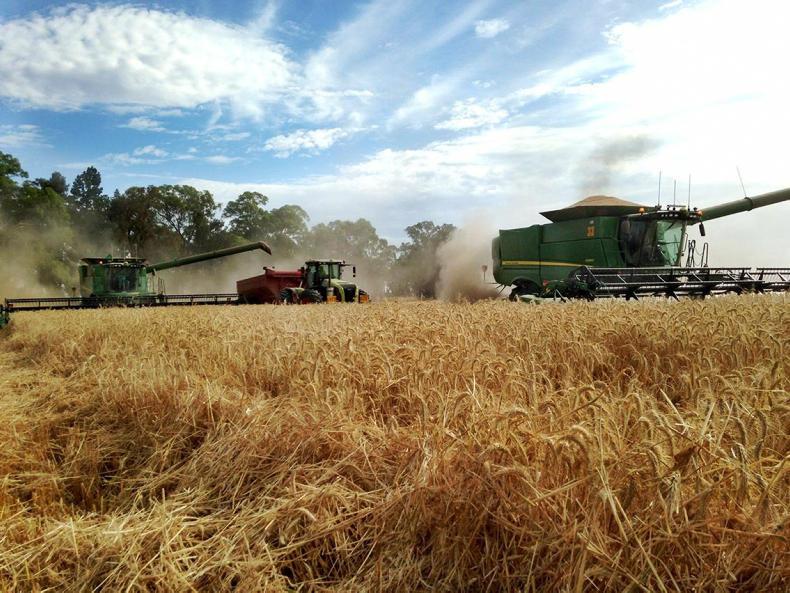
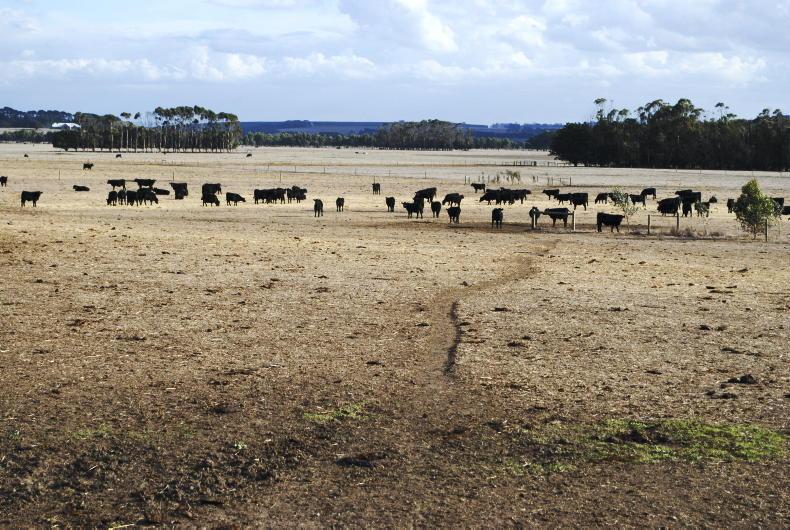
Drought in Australia seems set to hammer cereal output levels in many parts of the country.
ADVERTISEMENT
Market information has been predominantly bearish over the past few weeks. Recent FAO market information figures support the higher IGC estimates to strengthen this bearish sentiment. The US is set to have a big spring wheat crop according to USDA figures, up over 50% on last year (bad drought), but spring wheat is not a big crop overall.
The suspension of bioethanol production in two big UK plants has signalled the inevitability of exports from there. UK wheat exports are now very competitive, but the AHDB suggests that strong demand for feed will most likely limit the quantity to be exported.
ADVERTISEMENT
The AHDB report suggests that current relative price levels will see both wheat and maize areas increase in the US next season, thus potentially adding to supply capability in 2019.
One of the few potentially bullish issues is the impact of drought in Australia. Production estimates from ABARES are down, but these are still higher than other estimates.
Native prices continue to be affected by slow or no demand, as big mills attempt to rebalance current stock levels. This lack of active trade makes prices difficult to assess, but nominal values indicate €215 to €218/t for spot wheat and €216 to €218 for barley.
November 2019 wheat is currently put at €192 to €193/t, with barley around €185/t. This week, Glanbia offered €167/t for green wheat for harvest and €160/t for barley.
Register for free to read this story and our free stories.
This content is available to digital subscribers and loyalty code users only. Sign in to your account, use the code or subscribe to get unlimited access.
The reader loyalty code gives you full access to the site from when you enter it until the following Wednesday at 9pm. Find your unique code on the back page of Irish Country Living every week.
CODE ACCEPTED
You have full access to the site until next Wednesday at 9pm.
CODE NOT VALID
Please try again or contact support.
Market information has been predominantly bearish over the past few weeks. Recent FAO market information figures support the higher IGC estimates to strengthen this bearish sentiment. The US is set to have a big spring wheat crop according to USDA figures, up over 50% on last year (bad drought), but spring wheat is not a big crop overall.
The suspension of bioethanol production in two big UK plants has signalled the inevitability of exports from there. UK wheat exports are now very competitive, but the AHDB suggests that strong demand for feed will most likely limit the quantity to be exported.
The AHDB report suggests that current relative price levels will see both wheat and maize areas increase in the US next season, thus potentially adding to supply capability in 2019.
One of the few potentially bullish issues is the impact of drought in Australia. Production estimates from ABARES are down, but these are still higher than other estimates.
Native prices continue to be affected by slow or no demand, as big mills attempt to rebalance current stock levels. This lack of active trade makes prices difficult to assess, but nominal values indicate €215 to €218/t for spot wheat and €216 to €218 for barley.
November 2019 wheat is currently put at €192 to €193/t, with barley around €185/t. This week, Glanbia offered €167/t for green wheat for harvest and €160/t for barley.
If you would like to speak to a member of our team, please call us on 01-4199525.
Link sent to your email address
We have sent an email to your address. Please click on the link in this email to reset your password. If you can't find it in your inbox, please check your spam folder. If you can't find the email, please call us on 01-4199525.
ENTER YOUR LOYALTY CODE:
The reader loyalty code gives you full access to the site from when you enter it until the following Wednesday at 9pm. Find your unique code on the back page of Irish Country Living every week.









SHARING OPTIONS