



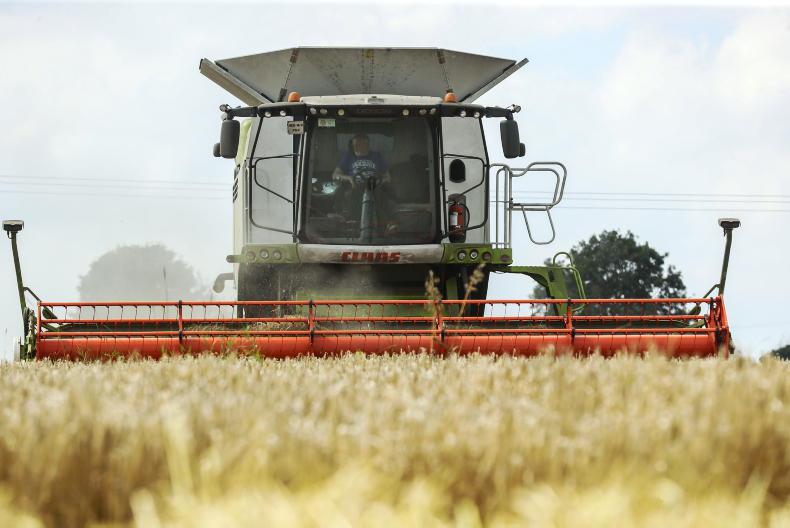
Tillage farm incomes are set to fall by some 48% next year compared to 2022 levels, according to Teagasc’s 2023 Outlook.
The outlook, written by Teagasc researchers and published on Tuesday, predicts that tillage farm incomes will fall to €33,000 over the next 12 months.
Teagasc says this is down to it being “unlikely” that the high cereal yields achieved in 2022 will be repeated in 2023. It states that current futures markets indicate that 2023 harvest prices will be lower than those that prevailed at harvest 2022, by over 20%.
Its researchers also suggest that there is “likely to be little relief on the [input] cost side” for tillage farmers, meaning there will be the double blow of output likely being down and input costs being up by some 8%.
Teagasc says tillage fertiliser costs will be up as much as 10% next year and that seed prices will be up 30%. In some good news, the outlook suggests that green diesel prices for tillage farms will fall by as much as 18% next year compared to 2022 levels.
Gross margins
The average gross margin in 2023 for spring barley in 2023 is forecast to decrease by approximately €900/ha compared to 2022. The average winter barley and winter wheat gross margins are forecast to decrease by about €1,215/ha and €710/ha respectively.
Overall, net margin on the average cereal enterprise next year is forecast to fall to €65/ha, down €680 on the €745/ha seen in 2022.
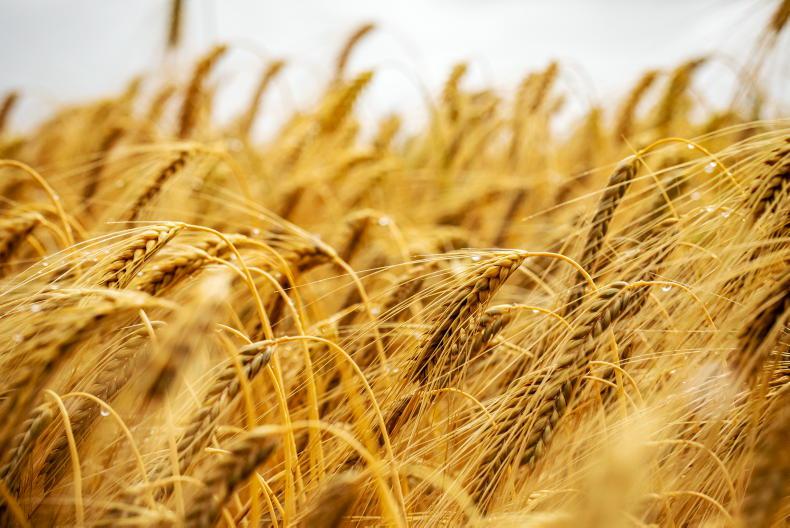
Teagasc says there will be some additional support under the new CAP which will provide benefit for some tillage farmers such as the ACRES scheme and additional protein payments.
However, Teagasc found that this will not be enough to combat the fall in incomes forecast.
2022
The Teagasc tillage outlook comes off the back of a much more favourable year for tillage farming in 2022 where farm incomes rose by 10% to €64,000 compared with 2021 levels.
For tillage systems, this uptick in farm income came about due to favourable weather leading to higher yields and favourable moisture content in 2022 for most crops.
However, Teagasc found that winter barley yields were lower due to virus impacts. The Teagasc end of year analysis notes that tight global grain supplies and uncertainty regarding export potential from Ukraine boosted Irish cereal prices at harvest time.
These factors of additional yield and high prices drove tillage incomes higher, despite increases in income costs, says Teagasc.





SHARING OPTIONS