Clipping cattle after housing is also recommended to help reduce problems with lice.
ADVERTISEMENT
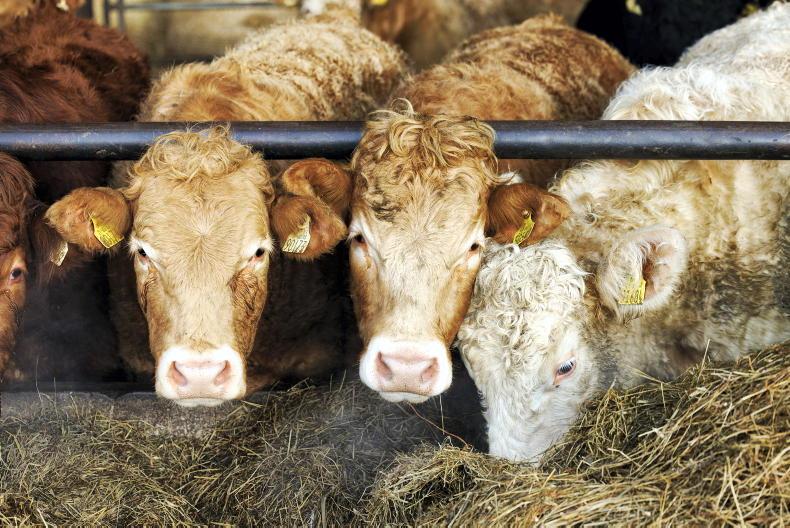
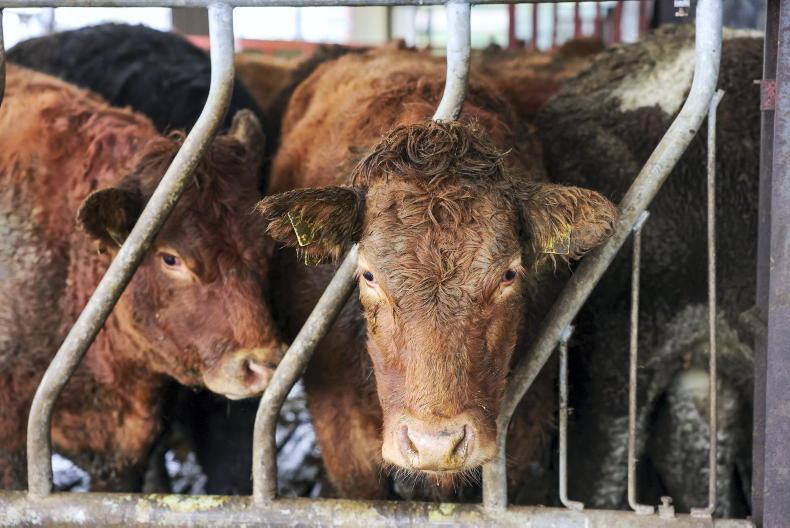
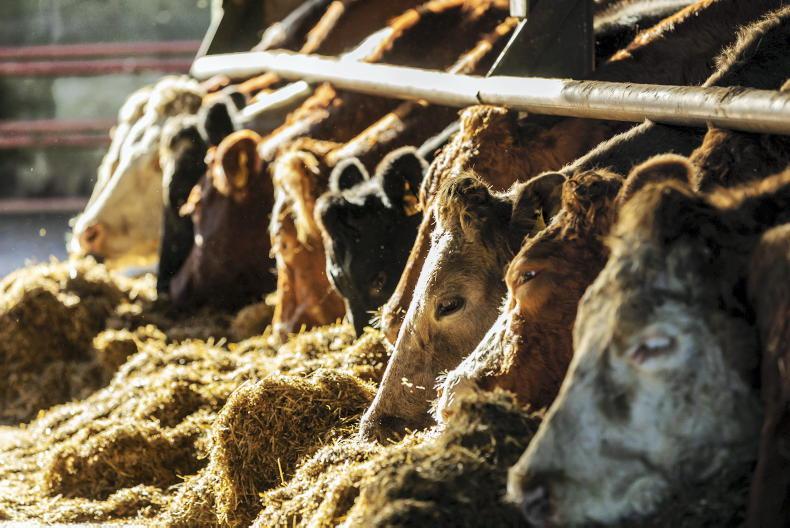
Cattle that have been housed for winter will need treating for internal and external parasites.
There are already reports of lice affecting animals, with cattle scratching to relieve the irritation.
Cattle that are bothered by lice will not be gaining weight. So there is little point feeding good silage and meal to animals without applying an appropriate control product first.
ADVERTISEMENT
When treating cattle for external parasites, make sure that the product used treats biting and sucking lice.
For effective control, run animals through the race when using a pour-on product. Don’t try to apply a pour-on to unrestrained animals in a group pen.
Clipping animals along the tail, back, neck and head will also help to reduce problems with lice. Clip a good 6in either side of the spine, then apply the pour-on.
Timing
An important factor to keep in mind is that all animals in the same shed need to be treated for lice on the same day. Also, a follow-up treatment is usually required mid-winter.
Sheds that have lots of cobwebs accumulating on side sheets and the roof beams are prime for lice problems, meaning additional treatments may be required.
This content is available to digital subscribers and loyalty code users only. Sign in to your account, use the code or subscribe to get unlimited access.
The reader loyalty code gives you full access to the site from when you enter it until the following Wednesday at 9pm. Find your unique code on the back page of Irish Country Living every week.
CODE ACCEPTED
You have full access to the site until next Wednesday at 9pm.
CODE NOT VALID
Please try again or contact support.
Cattle that have been housed for winter will need treating for internal and external parasites.
There are already reports of lice affecting animals, with cattle scratching to relieve the irritation.
Cattle that are bothered by lice will not be gaining weight. So there is little point feeding good silage and meal to animals without applying an appropriate control product first.
When treating cattle for external parasites, make sure that the product used treats biting and sucking lice.
For effective control, run animals through the race when using a pour-on product. Don’t try to apply a pour-on to unrestrained animals in a group pen.
Clipping animals along the tail, back, neck and head will also help to reduce problems with lice. Clip a good 6in either side of the spine, then apply the pour-on.
Timing
An important factor to keep in mind is that all animals in the same shed need to be treated for lice on the same day. Also, a follow-up treatment is usually required mid-winter.
Sheds that have lots of cobwebs accumulating on side sheets and the roof beams are prime for lice problems, meaning additional treatments may be required.
If you would like to speak to a member of our team, please call us on 01-4199525.
Link sent to your email address
We have sent an email to your address. Please click on the link in this email to reset your password. If you can't find it in your inbox, please check your spam folder. If you can't find the email, please call us on 01-4199525.
ENTER YOUR LOYALTY CODE:
The reader loyalty code gives you full access to the site from when you enter it until the following Wednesday at 9pm. Find your unique code on the back page of Irish Country Living every week.






SHARING OPTIONS