


1 Treat for liver fluke based on factory liver scores. Allowing eight weeks to pass post-housing means we can treat for mature fluke only. However, if symptoms present themselves prior to this we shouldn’t wait. Treat rumen fluke on an individual animal basis.
2 While salmonella vaccination is uncommon in suckler herds, outbreaks can cause abortions and scour. Two shots required initially and yearly booster thereafter.
3 Some farmers choose to only vaccinate late-calvers against scour based on the idea that earlier calves are exposed to less of a disease build-up. However, there are risks around this strategy. Scour vaccine is the one vaccine we could drop in an autumn-calving herd to save money.
4 Two doses required initially and single annual shot thereafter with Bovilis BVD. Bovela product requires only one initial shot and single annual thereafter. Some farmers will administer a leptospirosis vaccination at this point too, though the products are not licensed to be used together.
5 While it might seem costly to scan cows pre-breeding, identifying and correcting even a single reproductive issue that otherwise would have delayed or prevented a cow cycling will pay for this.
6 I like to scan any cow that has gone 40 days post-calving and not been served at this point. We still have time to act on any issues and achieve pregnancies and there might be scope to synchronise some late-calvers and pull them back.
7 Check the livers of cull cows or indeed any slaughtered stock. Larger factory groups will provide a liver score with your killsheet. In smaller factories, make contact with the vet inspector.
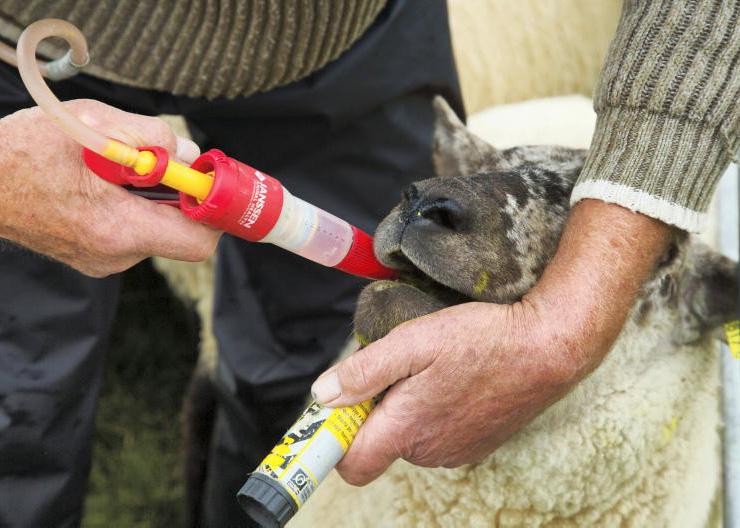
8 Generally, suckler cows can go without a worm dose, though this year saw a spike in worm cases in older cows. Replacement heifers and first-calvers may need dosing before natural immunity builds up. Be conscious of resistance to certain active ingredients, particularly ivermectin. Where there is a worm burden, use less aggressive doses like Levacide.
9 Note some vaccines require two shots.
10 Many will administer a blanket dose at this point. However, this year we have seen real-time anthelminthic resistance emerging on farms. While it can be as cheap to dose as faecal sample, doing the latter is better for us all down the line. Those grazing clean reseeded pastures may be able to reduce their treatments. Monitor thrive and coughing in groups. Where a burden is suspected, use less aggressive doses like Levacide.
11 There are a number of products now on the market for treating viral (Pi3, RSV) and bacterial (Pasteurella) pneumonia. Most require two shots and boosters thereafter. IBR vaccination is also recommended. If we are using a live IBR vaccine then in theory we should be treating the whole herd. In young autumn calves or where an outbreak has occurred use intranasal vaccines.
12 Avoid any health treatments in the days around weaning. This can further weaken the animal’s immune system.



SHARING OPTIONS