



In March last year, members of the Restaurant Association of Ireland (RAI) gathered in the plush surroundings of Adare Manor in Co Limerick to issue a plea for help. The restaurant industry was facing an unprecedented crisis due to a massive shortage of trained chefs in Ireland. According to Adrian Cummins, chief executive of RAI, Ireland’s restaurant sector is battling an acute shortage of trained kitchen staff right now that’s estimated between 7,000 and 8,000 chefs. And the shortage is only growing in size.
Every year, an additional 5,000 chefs are required by the restaurant industry, yet training colleges are only turning out 1,800 new chefs every 12 months. This means the shortfall is widening by more than 3,000 chefs per annum.
In the UK, the situation is even starker, with chef shortages estimated to be between 20,000 and 25,000. Yet, as a result of this skills crisis in the restaurant sector, opportunities have opened for others. Food companies further back the chain are taking advantage of the acute shortages in trained chefs to add value to their businesses in new ways.
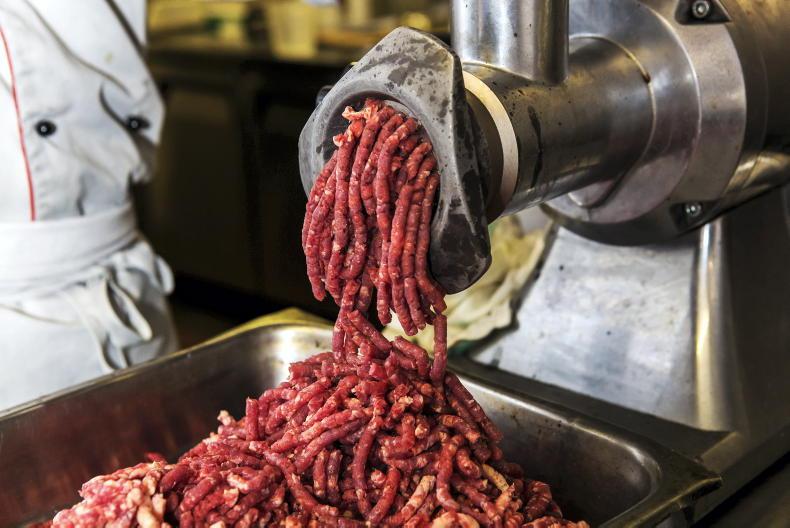
Leading the charge in this regard is Kepak, the meat processor based in Clonee, Co Meath. For more than a decade, Kepak has invested heavily in its value-added capability and can now offer customers a much wider array of products.
Moving further up the chain from processing traditional cold cuts of beef, pork or chicken, Kepak now finds itself cooking, seasoning and adding sauces to more and more of its meat supply before shipping to customers.
Cooked meat
Blathnaid Ni Fhatharta, marketing director at Kepak’s foodservice division, says the company is now doing a lot of the work preparing meat that would have traditionally been done by a chef in the kitchen.
“Take our pulled meat range, for example. We’ve already butchered the meat, slow-cooked it for five to six hours and then seasoned and sauced it,” says Ni Fhatharta. “Our customer only has to reheat the product, which allows them to concentrate on the presentation of the dish. The customer can focus on the addition of other ingredients and how they build and layer up that meat product,” she adds.
Kepak’s foodservice division has an array of blue-chip customers that it sells direct to including Burger King in Ireland and the UK, French fast-food outlet Quick, TGI Fridays and Jollibee, a burger chain first established in the Philippines that now has 1,200 outlets globally.
The company also supplies the Restaurant Group – a London-listed plc that owns branded restaurant chains such as Wagamama, Frank & Benny’s, Chiquitos and Joe’s Kitchen.
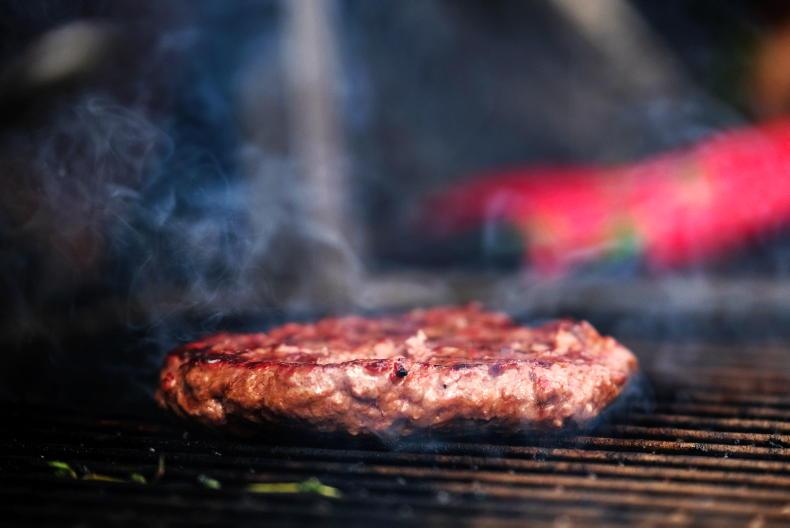
For these customers, Kepak typically supplies uncooked burgers and meat products where the cooking is done in the restaurant. However, for a growing number of indirect customers such as Henderson’s foodservice in the UK, Kepak is supplying a range of cooked meat products that help to alleviate the chef shortage.
From Kepak’s perspective, slow-cooking and preparing meat on behalf of customers allows the company to move the product up the value chain in terms of margin and pricing. Kepak’s approach to pre-cooking and preparing meat for customers is creating value for the company. Importantly, the process also takes a cost out of the business model of its customers through less waste and less labour.
The growing chef shortage in Ireland, the UK and across Europe means more and more restaurants and foodservice operators are looking to companies such as Kepak for solutions like this.
“We’re adding more capability all the time but playing in this space is not new for us,” says Ni Fhatharta. “What is new is the labour shortage our customers are facing. On top of this, food safety legislation is a lot stricter, so a lot of operators only want to handle a fully cooked product,” she says.
Foodservice growth
Kepak’s foodservice division now accounts for more than a third of the group’s overall turnover of €1.5bn. The division continues to grow alongside the growth in the wider foodservice market, which is defined as “out-of-home eating”. Foodservice operators range from traditional restaurants, hotels and pubs to fast-food outlets, casual dining, coffee shops and commercial catering.
In Ireland, the foodservice market is valued at €8.2bn, which is significant and not far behind Ireland’s €10.5bn grocery retail market. In the UK, the foodservice market is valued at £90bn (€105bn), while in the rest of Europe, foodservice sales are more than €500bn per annum.
Any market this size is going to be extremely competitive. While Kepak admits it will never be the cheapest supplier to the foodservice market, its focus on cooking and seasoning meat products allows it to compete successfully with lower-cost operators.
Traditionally, the foodservice market was closely linked to economic conditions as consumers tend to eat out more in good times. However, changing lifestyles means the foodservice market has become more complex than just straight economics.
Young people are treating themselves from an experience perspective
“Consumers are working longer hours and aren’t at home to prepare dinner. On top of this, young people are not treating themselves as much in terms of buying consumer goods,” says Ni Fhatharta.
“Instead, young people are treating themselves from an experience perspective. They’re spending their money on eating out because they see it as an experience. Eating out is no longer just functional. It’s more of a lifestyle choice,” she adds.
In the US, which has the world’s most developed foodservice market valued at €530bn in 2018, consumers now spend more money eating out of home than they do on food eaten at home. For every $1 spent on food in the US, more than half is now spent out of home. Europe is not quite at this level yet but it’s getting very close.
The UK is the closest market in this regard with just under 50p out of every £1 spent on food going to a product bought in a foodservice outlet. Ireland is also fast approaching parity with close to 50c in every €1 spent on food now used to buy food from a foodservice operator.
Explosion
The consumer shift to eating out more as a lifestyle choice is only exacerbating the skills shortage for chefs and plays into Kepak’s strategy. Within the foodservice category, Ni Fhatharta says the fast casual and food-to-go segment of the market have exploded in the last five years.
Operators in the fast casual segment are separate from traditional fast-food outlets or chains. Instead, they are outlets that are limited service but are generally more upscale with food that is priced €8 or higher per person.
The Irish food-to-go market is seen as the best in class across Europe
Examples of these kind of operators in Ireland include Boojum burritos, Mao Thai takeaways or the numerous gourmet burger restaurants that have popped up in recent years.
The food-to-go segment includes deli counters in supermarkets and convenience stores or any food sold at forecourt operators such as Circle K or Applegreen.
The food-to-go and fast casual segments of the foodservice sector are growing at 5% to 7% per annum in Ireland, which is more than double the growth in traditional grocery retail. As a result, supermarkets and convenience stores in Ireland have placed a lot of emphasis on these channels because they are delivering sales growth.
“The Irish food-to-go market is seen as the best in class across Europe,” says Ni Fhatharta. “You will see a lot of UK and European retailers conducting food safaris around Ireland to visit Irish retailers to see what they’re doing in this space and how they’re doing it.
“It’s not so long ago that you never would have been able to get hot food at a petrol station in Ireland. But now, these channels are seen by consumers as go-to places for a hot meat sandwich or a burger,” she adds.
Even in the UK, where Brexit and a weak sterling has weighed on consumer spending, Kepak are still seeing strong growth in the fast casual and food-to-go segments of the market as consumers treat themselves out of home. This growth is supported by the wider change in society where the traditional meals of breakfast, lunch and dinner have been replaced by consumers snacking six to eight times a day.
Time poor
Another big driver of the food-to-go trend is time-poor consumers. The average shopper spends less than five minutes in a convenience store today, meaning speed of service is critical. Consumers are demanding food to be served to them quicker all the time. Again, all of this plays into Kepak’s cooked meats strategy.
A big driver of the food-to-go trend are time-poor consumers
“The growth in our cooked and prepared meats business is a combination of factors,” says Ni Fhatharta. “It’s a shortage of labour, it’s food safety regulations and it’s consumer demand for the food to be served out to them quicker. It’s a kind of cook slow and serve fast mentality. We do all that cooking and prepping, which allows the operator to prepare the product as fast as they can for the consumer,” she says.
While consumer trends in food are changing faster than ever, it’s clear that the shift towards foodservice as the larger sales channel over retail is steadily gaining momentum. Ireland, the UK and the rest of Europe are only headed the same direction as the US market, where consumers spend more money eating out of home than they do on groceries.
Kepak has positioned itself brilliantly to take advantage of this trend. On top of this, the shortage of chefs and the cook slow-serve fast trend has allowed Kepak to add value and margin to its meat products in a way like never before.
The company now finds itself working in partnership with its customers to develop new solutions and products that will allow its foodservice partners keep pace with the latest consumer trends.
For customers such as Burger King, Kepak has opened a dedicated burger lab at its Ballybay site, which is focused on new product development and innovation. Kepak has also established a foodservice centre of excellence at its Blanchardstown office to allow foodservice customers of all sizes come into an interactive setting where they can experience and taste new concepts, menu designs and product innovations.
Both the burger lab in Ballybay and the foodservice centre of excellence in Blanchardstown have allowed Kepak to collaborate much closer with their key customers, says Ni Fhatharta. Importantly, this partnership approach to developing new innovations almost makes Kepak indispensable to its important customers as well as allowing it to capture more value in the process.
The meat sector has always been ferociously competitive.
Yet Kepak has found a way to service new sales channels and customer needs to differentiate itself in a tough sector and compete for higher-margin business with customers in Ireland, Europe, the US and further afield.



SHARING OPTIONS