



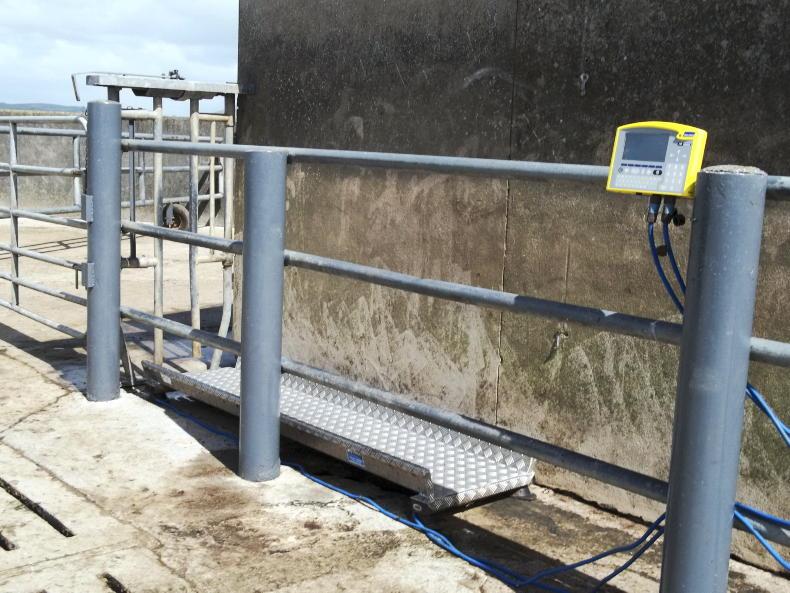
Weighing: Weighing animals on a beef farm can be a really useful tool in making decisions.
Labour and time issues are often given as reasons why more weighing is not carried out on farms.
However it’s a really important tool in assessing performance of stock and more importantly your management skills. If you weigh a group of weanlings this week and they have only gained 0.3kg/day over the winter period then you know that something went wrong and you can go about correcting it.
If no weights are taken the same thing could happen again next winter.
Taking a turnout weight now will also help you assess grazing performance during the year.
It is equally important in assessing cow performance in terms of calf weight gain. September-born calves are now coming close to 200 days, an ideal age to get a clear picture of how good a job the cow has done on the calf. Cows with very light calves or poor performers can be culled.
Inputting these weights on the ICBF database will also improve the accuracy of a cow’s index and increase the reliability helping you make more informed decisions.
A weighing scales costs approximately €1,000-€1,400 and is a really good investment for any beef farm. Weighing scales can also be hired from local co-ops and marts at a very reasonable rate.
While this year’s BEEP scheme hasn’t been announced yet, it is expected that it will be within the next few weeks.
For farmers that are now planning on selling their July/August born weanlings, the best advice is that they complete a weighing of both the cow and the calf on the same day.
Remember that a calf must be eating meal two weeks after it has been weaned before it can be sold to be eligible for payment.
Weather: This week’s weather has again delayed turnout on many farms. Suckler farms which have started to calve in February are coming under pressure for housing space as more cows calve. It’s very important that the young calf has a clean dry bed. After a week you will get away with housing cows back on slats but calves will need access to a bedded creep area. Some farmers I have spoken to this week have bedded a centre pen in a slatted shed as a temporary measure until weather improves. On Tullamore Farm the centre passage of a slatted shed is being bedded. If cows have to be turned out, turn out the cows with the oldest calves, pick the most sheltered part of the farm and take precautions against tetany. Herd at least twice a day.
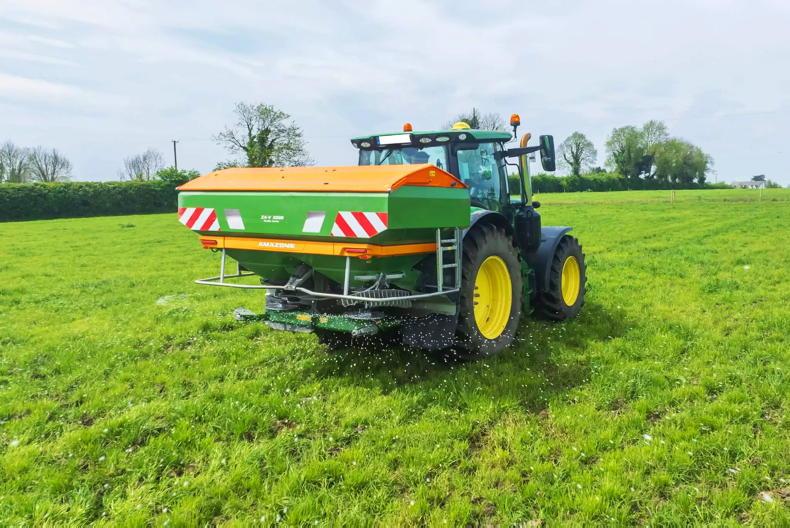
Fertiliser: We got a lot of questions in from last week’s fertiliser and slurry webinar some of which are covered on this week’s fertiliser focus on pages 46-47. Many drystock farmers are holding out on fertiliser purchases to see will prices fall. Price reductions look very unlikely at this stage.
It’s very important that the full complement of fertiliser goes out on silage fields through a combination of slurry and fertiliser. Put in place a plan now as to how you are going to deal with the increased prices.




SHARING OPTIONS