The national average growth rate is still resting just above the 60kg DM/ha/day mark.
There has been little-or-no variation in this average for the last three weeks. The prevailing trend over the last month has been the enormous variations in growth rates between farms, largely down to soil moisture levels.
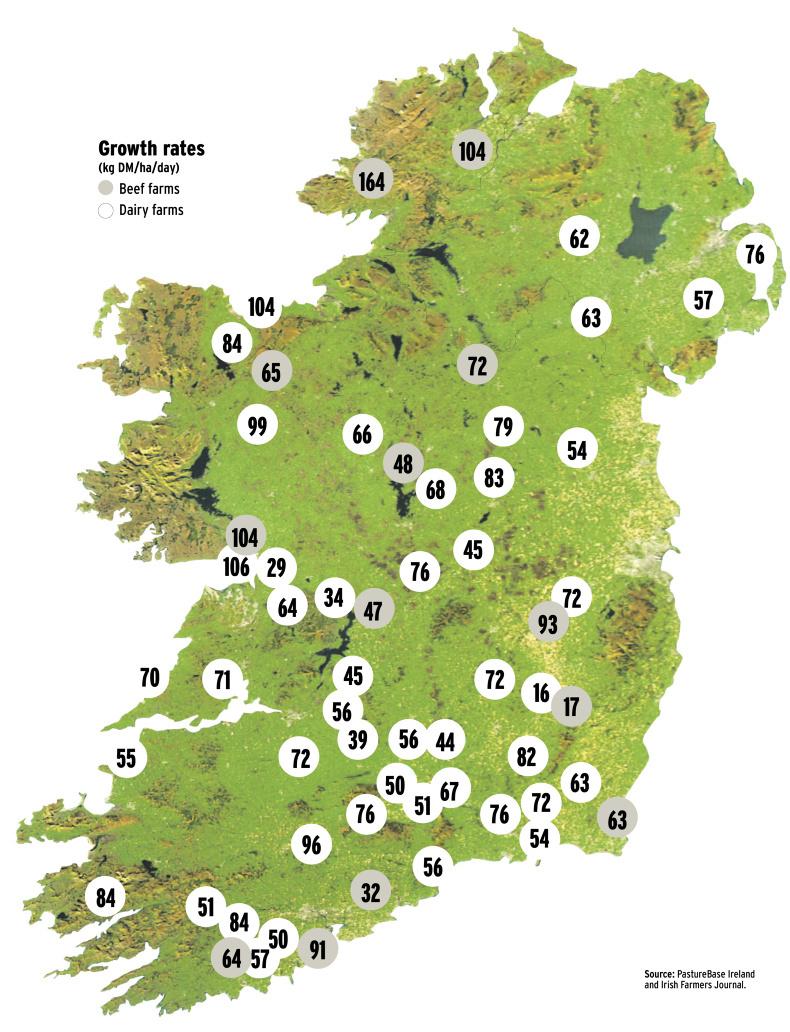
On a positive note, the number of farms suffering from low growth rates has declined significantly this week due to the rainfall over the last seven days. Met Éireann charts show that only a few small pockets in the midlands and south Leinster are still affected by drought conditions.
Supply-demand balance
By-and-large, it has been a very good grass growing week and that is going to serve as a much-needed boost to grass supplies on farms. 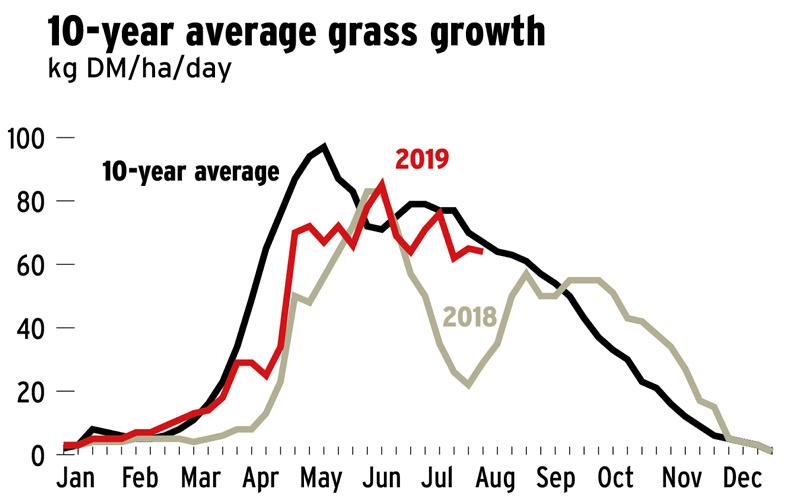
Just over a fortnight ago, a lot of moderate- to well-stocked farms were starting to witness large drops in their days-ahead figure and their average farm covers. I often think the second half of July and the start of August can be a tricky time for grass on farms as the supply-demand balance begins to shift. Looking at the 10-year average trend line, it is around that time that growth starts to taper off from its summer peak. Moving in the other direction is the farm’s daily demand, driven primarily by the growing appetites of suckler calves or store/beef cattle.
To reduce grass demand (kg DM/ha/day), a farm has three options – decrease the stocking rate, allocate an alternative feed or increase the land area. For anyone growing a second cut of silage, the third option will come into play soon. Most first cuts were taken between 20 May and 10 June this year.
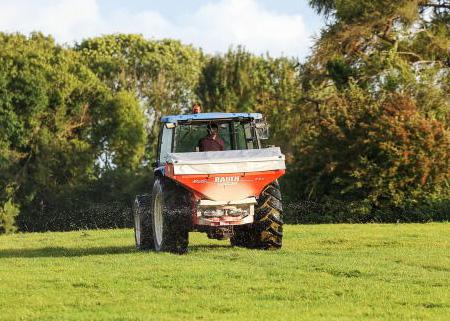
Assuming a one-week turnaround and another seven weeks to grow the crop, we are now right in the middle of the second-cut period. The quicker we can get this ground back into the grazing rotation, the quicker we can reduce our daily demand and keep it below the daily growth rate. Managing fertiliser and slurry will be important here.
The national average growth rate is still resting just above the 60kg DM/ha/day mark.
There has been little-or-no variation in this average for the last three weeks. The prevailing trend over the last month has been the enormous variations in growth rates between farms, largely down to soil moisture levels.
On a positive note, the number of farms suffering from low growth rates has declined significantly this week due to the rainfall over the last seven days. Met Éireann charts show that only a few small pockets in the midlands and south Leinster are still affected by drought conditions.
Supply-demand balance
By-and-large, it has been a very good grass growing week and that is going to serve as a much-needed boost to grass supplies on farms.
Just over a fortnight ago, a lot of moderate- to well-stocked farms were starting to witness large drops in their days-ahead figure and their average farm covers. I often think the second half of July and the start of August can be a tricky time for grass on farms as the supply-demand balance begins to shift. Looking at the 10-year average trend line, it is around that time that growth starts to taper off from its summer peak. Moving in the other direction is the farm’s daily demand, driven primarily by the growing appetites of suckler calves or store/beef cattle.
To reduce grass demand (kg DM/ha/day), a farm has three options – decrease the stocking rate, allocate an alternative feed or increase the land area. For anyone growing a second cut of silage, the third option will come into play soon. Most first cuts were taken between 20 May and 10 June this year.
Assuming a one-week turnaround and another seven weeks to grow the crop, we are now right in the middle of the second-cut period. The quicker we can get this ground back into the grazing rotation, the quicker we can reduce our daily demand and keep it below the daily growth rate. Managing fertiliser and slurry will be important here.






SHARING OPTIONS